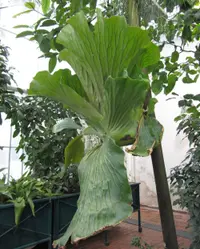
maquique fern Care (Alsophila firma)

maquique fern

About maquique fern

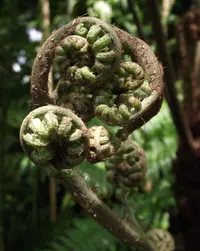
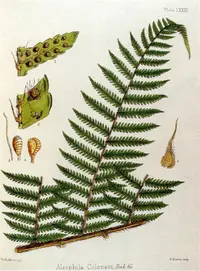
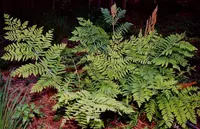
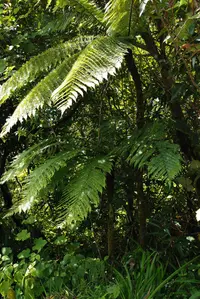
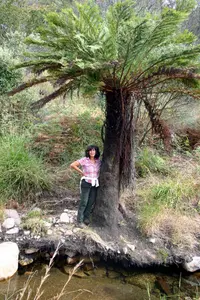
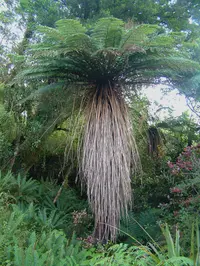
Maquique fern, Alsophila firma, is a tree fern native to cloud forests of Mexico and Central America. It typically grows as a single upright trunk topped with a crown of large, arching fronds. The foliage forms a soft, layered canopy that gives a distinctly tropical, woodland look. New fronds often emerge tightly coiled before unfurling into full size. This species prefers consistently moist, humus-rich soil and shelter from harsh sun and wind. In cultivation it can be moderately demanding, mainly due to its need for stable moisture, humidity, and protection from cold. Understanding how to care for maquique fern helps keep it healthy over the long term.


Main Plant Requirements

Care Difficulty

Moderate Care

Light Preference

Partial Shade

Water Requirements

Keep Soil Moist

Temperature Preference

Tropical / Frost Sensitive

Hardiness Zone

10–11

Soil Texture

Loamy, Organic-rich

Soil pH

Acidic (5.5–6.5), Slightly acidic (6.5–7.0)

Soil Drainage

Moist but well-drained

Fertilization

Light (every 4–6 weeks)

Get Personalized Care Plan

Scan your plant to receive care tips personalized for your specific plant

Available on iOS and Android

How to Care for the maquique fern

This tree fern prefers bright, filtered forest-like light rather than direct, open sun.

  • Provide 2–4 hours of gentle morning sun with dappled or filtered light the rest of the day, especially in hotter regions.
  • Allow partial to full shade at midday and afternoon; strong sun can scorch fronds of maquique fern and dry the crown.
  • In summer, protect from reflected heat and intense sun; in winter, ensure it still receives bright shade so fronds do not thin and elongate.

This species thrives in consistently moist, but not waterlogged, soil around its fibrous root zone.

  • Water when the top 2–3 cm of soil feel slightly dry, aiming for evenly damp soil deeper down, especially during active growth.
  • Improve drainage with organic matter and avoid standing water; yellowing, limp fronds suggest overwatering, while crisp, browning tips indicate drought stress.
  • In cooler seasons reduce frequency but never let the root ball fully dry; in hot weather, increase checks and water more often, especially for younger plants.

This fern prefers mild, frost-free conditions that mimic a humid, subtropical forest.

  • Aim for 60–80°F (16–27°C) for steady growth, with the best frond production around 65–75°F (18–24°C).
  • Protect from frost; damage often occurs below about 32°F (0°C), and prolonged exposure under 28°F (-2°C) can kill young crowns.
  • In hot spells above 85°F (29°C), increase shade, humidity, and soil moisture, as heat plus dry air can scorch fronds and stress the plant.

This tree fern prefers consistently moist air to maintain healthy fronds.

  • Aim for 60–80% humidity; prolonged air below 45% often leads to browning tips and crisp leaflet edges.
  • Tolerates brief dry spells if soil stays evenly moist, but chronic dry indoor air weakens maquique fern over time.
  • Increase humidity with grouped plants, a wide pebble tray under the pot, or a room humidifier placed nearby, never blowing directly.

Alsophila firma grows best in deep, loose, organic-rich soil that mimics a forest floor.

  • Use a mix of 50–60% composted bark or leaf mold, 20–30% peat or coco coir, and 20–30% perlite or pumice for structure and drainage.
  • Aim for slightly acidic to neutral pH around 6.0–7.0, which supports nutrient availability without causing root stress.
  • Ensure soil feels springy rather than compact; coarse bark pieces and perlite keep air pockets around the roots.
  • Avoid heavy clay, waterlogged spots, and mixes with high sand content that dry out fast and damage fine feeder roots.

This fern can be grown in containers when given a stable, deep setup.

  • Choose a tall, heavy pot that resists tipping as the crown and fronds gain height and weight.
  • Select thick-walled clay or cement containers outdoors to moderate root temperature and slow rapid moisture loss.
  • Raise the container slightly on pot feet or bricks so drainage holes remain clear and excess water exits quickly.

This tree fern benefits from light, consistent feeding rather than heavy applications.

  • Use a balanced, dilute liquid fertilizer (around 10-10-10) at 1/4–1/2 strength every 4–6 weeks during the warm growing season.
  • Apply a thin layer of compost or well-rotted leaf mold over the root zone to mimic forest litter for maquique fern indoor care.
  • Avoid granular high-salt products that can burn shallow roots and young fronds.
  • Stop feeding in late fall and winter when growth slows, resuming only once new fronds begin to unfurl.

Pruning Alsophila firma focuses on hygiene and access rather than reshaping the plant.

  • Best time is late winter to early spring, before strong new growth starts.
  • Remove dead, yellowing, or storm-damaged fronds at the base using clean, sharp pruners or a pruning saw for thick stipes.
  • Thin a few crowded lower fronds if needed to improve air flow and access to the trunk, but keep the crown full.
  • Avoid cutting into the central growing tip, as damage there can permanently deform or kill the fern.

This species is usually grown in the ground, but large containers or young plants may need careful transplanting.

  • Transplant in spring when soil is warming and new fronds are just emerging, to shorten recovery time.
  • Look for signs such as roots circling the pot, water running off quickly, or noticeably slower growth before moving the plant.
  • Shift to a container 1–2 sizes larger or a prepared ground site with rich, well-drained, organic soil.
  • Reduce root stress by keeping the root ball intact, watering deeply before and after, and shading the plant for 1–2 weeks.

Reproducing Alsophila firma is possible but slow and usually handled by experienced growers or nurseries.

  • Spore propagation is the standard method; collect mature brown spores from the underside of fronds in late summer.
  • Sow spores on sterile, fine, moist medium, then cover to maintain high humidity and stable warmth around 70–77°F.
  • Provide bright, indirect light and do not let the surface dry out; germination and early growth can take many months.
  • Division of mature trunks is rarely done, as it carries a high risk of losing the plant if the growing tip is damaged.

This subtropical tree fern is only moderately cold tolerant and benefits from targeted winter protection in cooler climates.

  • In regions below about 25–28°F, grow in a large container so it can be moved into a frost-free, bright shelter for winter.
  • Mulch the root zone with 5–10 cm of leaves or bark in late fall to buffer soil temperature and moisture.
  • In-ground plants facing light frost can have the crown loosely wrapped with breathable fabric to shield the growing tip and young fronds.

Care Tips

Protect tender crown

Install a simple wire or bamboo cage around the crown area and pack it loosely with leaf litter or pine needles in late fall to protect the new growth point from frost and desiccating winds, then carefully remove the material once consistent spring warmth returns.

Support developing trunk

As the trunk elongates, stake it with a sturdy, rot-resistant post on the windward side and secure with soft, wide ties that are checked and loosened every 3–4 months to prevent constriction and mechanical damage.

Maintain organic mulch

Keep a 5–8 cm deep ring of shredded bark or composted leaf mulch over the root zone, refreshed 2–3 times per year, but always leave a small gap around the trunk base to reduce rot risk.

Use overhead rinsing

Once every 2–4 weeks during warm weather, hose the fronds from above in the morning to wash off dust and dislodge early pest activity, allowing enough time for the crown to dry before nightfall.

Plan for size

Before planting, map out a 1.5–2 m radius free of permanent structures and aggressive shrubs so the mature fronds can expand fully and you can safely access the plant for pruning and other aspects of caring for maquique fern.

Common Pests and Diseases

Scale insects

This pest attaches to fronds and young stems, feeding on sap and causing yellowing, stunted fronds, and sticky honeydew on the foliage. Symptoms include small, dome-shaped or flat brown bumps that do not move when touched.

Solution

Remove heavily infested fronds and wipe remaining fronds with a soft cloth or cotton pad dipped in diluted alcohol or insecticidal soap, taking care not to saturate the crown. Improve air movement around the fern, avoid excess nitrogen fertilization, and repeat targeted treatments every 7–10 days until new growth emerges clean.

Fern aphids

These insects cluster on soft new croziers and underside of fronds, sucking sap and causing distorted unfurling, pale patches, and sticky residue. This pest often appears when plants are grown under warm, sheltered conditions with tender new growth.

Solution

Rinse affected fronds thoroughly with a strong but controlled stream of water, especially the undersides, and remove heavily curled or deformed fronds. Follow with spot treatments using insecticidal soap or a light horticultural oil, applied in the evening, and maintain good vigor through steady moisture rather than high-nitrogen feeding.

Rhizoctonia crown rot

This disease begins in the crown where fronds emerge, leading to a brown, sunken, sometimes dry rot that causes fronds to collapse from the base. Symptoms include failing new croziers that blacken before unfolding, often following waterlogged or compacted soil conditions.

Solution

Cut out all affected crown tissue and remove dead fronds, then replant in a well-drained, airy medium and reduce watering so the top layer dries slightly between waterings. Disinfect tools, improve drainage and airflow, and avoid overhead watering that keeps the crown wet for long periods.

Bipolaris leaf spot

This disease causes elongated brown to dark olive lesions on pinnae, often with a yellow halo, which can merge and kill large portions of the frond. Symptoms include more severe spotting in warm, humid, shaded sites where fronds stay wet for many hours.

Solution

Prune and discard affected fronds to reduce spore sources, and water at soil level early in the day so foliage dries quickly. Increase spacing and airflow, avoid overhead misting, and if the problem is persistent, use a labeled foliar fungicide suitable for ferns, applied according to directions until new fronds emerge clean.

Spider mites

These pests feed on the undersides of fronds, causing fine speckling, dull or bronzed foliage, and very fine webbing between pinnae, especially in dry indoor or greenhouse air. Symptoms include gradual thinning of the canopy and premature browning of older fronds.

Solution

Increase humidity around the plant, then thoroughly hose down both sides of the fronds to remove mites and webbing, repeating every few days. For persistent infestations, use insecticidal soap or a light horticultural oil directed to the undersides of fronds, and avoid placing the fern next to hot, dry air vents to support long-term maquique fern indoor care.

Interesting Facts

Mountain cloud-forest habitat

This tree fern is native to montane cloud forests from Mexico to Central America, where it grows on steep, moist slopes and ravines under filtered light and frequent mists.

Strong, woody trunk

Unlike many smaller ferns, this species develops a stout, woody trunk that can reach several meters in height, allowing its fronds to form a small canopy layer above understory plants.

Role in forest regeneration

In its native range, the upright trunk and arching fronds create shady, humid microsites that help tree seedlings and shade-loving herbs establish, so it often contributes to natural forest regeneration.

FAQs about maquique fern

This species is a true fern and does not flower at any stage. Instead of blooms, it reproduces by spores formed on the underside of mature fronds, a normal and healthy characteristic for this group of plants.

Grow Healthy Plants with Botan Care

Keep your plants happy and healthy with plant identification, disease detection, and easy care guidance.

Botan plant care app — identify plants on mobile

Explore More Plants