Moisture basin setup
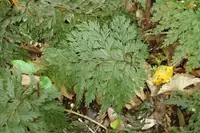
Create a shallow basin around the root zone with a low soil rim so irrigation and rainwater pool briefly instead of running off, which mimics the wet, stream-edge habitats this species prefers.

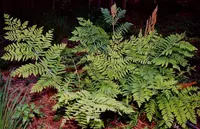
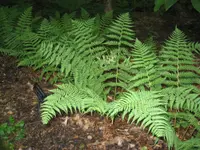
Royal fern, Osmunda regalis, is a large, deciduous fern valued for its bold, architectural foliage. It forms tall, upright clumps with feathery fronds that resemble leafy branches more than typical fern fronds. New growth often emerges with a coppery tint before turning fresh green.
In nature, it grows along streambanks, bogs, and wet woodlands across Europe, parts of Asia, and eastern North America. It prefers consistently moist, humus-rich soil and filtered or dappled light. With adequate moisture and shade, it is a long-lived, low-maintenance choice for naturalistic and woodland-style gardens, and it suits gardeners who want to learn how to care for Royal Fern without complex routines.

Care Difficulty
Moderate Care

Light Preference
Partial Shade

Water Requirements
Keep Soil Moist

Temperature Preference
Cold Hardy

Hardiness Zone
3–9

Soil Texture
Loamy, Silty, Organic-rich

Soil pH
Acidic (5.5–6.5), Slightly acidic (6.5–7.0)

Soil Drainage
Waterlogged tolerant

Fertilization
Minimal (feed rarely)
Scan your plant to receive care tips personalized for your specific plant
Available on iOS and Android
This fern prefers cool, consistently moist sites with soft, indirect light.
This species is a moisture-loving fern that naturally grows along streambanks and wetlands.
This fern is cold-hardy but grows best in cool to mild conditions.
This fern prefers evenly moist air to match its naturally boggy habitats.
This species needs consistently moist, organic-rich soil that never dries out completely.
This fern can be grown in containers if the pot and medium are managed to stay consistently moist.
This fern prefers nutrient-rich, moist soil and only light, supplemental feeding.
Pruning needs for Osmunda regalis are minimal and focus on removing old or damaged growth.
This fern is usually grown in the ground, with transplanting done infrequently and carefully.
Osmunda regalis is most practically propagated by careful division of established clumps.
This fern is cold hardy in much of the US and needs only light winter attention in the ground.

Plant Health Check
Not sure what's wrong with your plant? Check your plant's health inside the app.
Osmunda regalis belongs to one of the most evolutionarily ancient fern lineages, with fossil relatives traceable back over 200 million years, making it a living representative of very early fern evolution.
This species produces distinct fertile fronds where the upper pinnae transform into dense, brownish spore-bearing clusters, giving rise to the common name royal fern because they resemble a decorative plume or tassel.
In its native habitats, the royal fern often functions as a wetland indicator, naturally occurring in consistently moist, acidic, low-nutrient soils along bogs, stream edges, and woodland swamps.

In traditional European ironworking regions, the highly heat-resistant roots and rhizomes of royal fern were historically harvested and packed around hot iron to insulate and slow down cooling during transport, a specialized industrial use rarely documented for other fern species.
Browning fronds usually result from low humidity, underwatering, or excess sun exposure. Salt buildup from hard water or fertilizer can also burn tips. Trim damaged fronds, flush the soil, and maintain consistently moist, cool, shaded conditions.
Keep your plants happy and healthy with plant identification, disease detection, and easy care guidance.