Rasp fern Care (Blechnum parrisiae)

Dariia Plaksina, Botan author
Reviewed byDariia Plaksina
Botanist

About Rasp fern

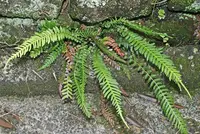
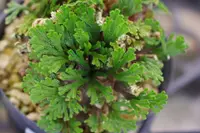
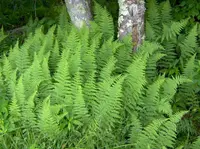
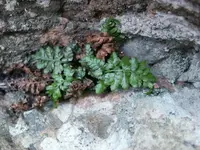
Rasp fern (Blechnum parrisiae) is a terrestrial fern valued for its finely divided, arching fronds that create a soft, textured mound of foliage. It typically forms clumps rather than spreading aggressively.

This species occurs naturally in moist forests and streamside habitats in parts of Australia, where it grows in shaded, cool, and humid conditions. Its preference for consistent moisture and shelter from hot, dry air makes it moderately challenging in typical indoor environments.

Those who care for Rasp fern should aim to provide stable humidity, gentle filtered light, and a loose, humus-rich substrate that stays lightly moist but not waterlogged.

Main Plant Requirements

Care Difficulty

Moderate Care

Light Preference

Partial Shade

Water Requirements

Keep Soil Moist

Temperature Preference

Cool Climate

Hardiness Zone

9–11

Soil Texture

Loamy, Peaty, Organic-rich

Soil pH

Acidic (5.5–6.5)

Soil Drainage

Moist but well-drained

Fertilization

Minimal (feed rarely)

Get Personalized Care Plan

Scan your plant to receive care tips personalized for your specific plant

Available on iOS and Android

How to Care for the Rasp fern

Blechnum parrisiae prefers soft, woodland-style light rather than harsh, open sun.

  • Provide 2–4 hours of gentle morning sun with bright, dappled or filtered light for the rest of the day; avoid direct afternoon sun that can scorch fronds.
  • Tolerates partial to full shade, but growth is denser and fronds are longer with bright, indirect light; deep shade can lead to sparse, pale foliage.
  • In hot summers, give Rasp fern extra shade from 11 a.m.–4 p.m.; in cooler months, allow a bit more morning sun to support steady growth.

Blechnum parrisiae prefers consistently moist, never waterlogged soil.

  • Water when the top 2–3 cm of soil feel slightly dry, aiming to keep the root zone evenly damp, especially during active growth in spring and summer.
  • Use rich, humus-heavy soil that drains freely; pooling water around the crown indicates poor drainage and raises the risk of root rot.
  • Crisp, browning frond tips signal underwatering, while yellowing, limp fronds suggest overwatering; reduce watering slightly in cooler months when growth slows.

This fern is adapted to mild, frost-free conditions with stable, moderate temperatures.

  • Aim for 60–77°F (16–25°C) for best growth, keeping temperatures as even as possible between day and night.
  • Short dips to about 40°F (4°C) may be tolerated if soil is not waterlogged, but repeated frost will damage or kill new fronds.
  • In hot spells above 86°F (30°C), increase shade and humidity, and avoid hot, drying winds that can scorch foliage and stress the plant.

This fern prefers consistently moist air and reacts quickly to dry conditions.

  • Aim for 60–80% humidity; use a hygrometer to avoid air that is too dry for Rasp fern fronds.
  • Crisping tips, curling pinnae, and stalled new fronds indicate humidity stress rather than underwatering.
  • Increase humidity with a nearby humidifier, grouped plants, and a shallow pebble tray, avoiding misting that keeps fronds wet for long periods.

This species needs loose, moisture-retentive but free-draining soil that mimics a forest floor.

  • Choose a fine-textured mix based on peat-free compost or coco coir with added leaf mold or humus for organic richness.
  • Ensure rapid drainage by blending in 20–30% perlite or fine bark, so water does not stagnate around the roots.
  • Keep pH slightly acidic, around 5.5–6.5, as Blechnum parrisiae grows poorly in alkaline or limy substrates.
  • Avoid compacted, clay-heavy, or sandy mixes; improve structure with organic matter plus a granular aeration component rather than only compost.

This fern adapts well to container growing when moisture and stability are carefully managed.

  • Select a pot that is wider than it is deep to support the shallow, spreading root system without leaving a large unused soil volume.
  • Use a slightly heavier container material, such as ceramic, to prevent the fronds from making the plant top-heavy and unstable in wind.
  • Raise the pot on feet or bricks so drainage holes stay clear and excess water escapes quickly instead of pooling under the base.

Blechnum parrisiae benefits from light, consistent feeding rather than heavy applications.

  • Use a balanced, water-soluble fertilizer (around 10-10-10 or 20-20-20) diluted to 1/4–1/2 strength for caring for Rasp fern.
  • Feed every 4–6 weeks during spring and summer when new fronds are actively growing.
  • Stop or greatly reduce feeding in autumn and winter, as growth slows and excess salts can build up.
  • Organic compost or a mild slow-release fertilizer can be mixed into the top layer of soil at the start of the growing season.

Pruning Blechnum parrisiae focuses on hygiene and maintaining a tidy, open clump.

  • Best time for pruning is late winter to early spring, before vigorous new growth starts.
  • Remove dead, yellowing, or damaged fronds at the base with clean, sharp scissors or hand pruners.
  • Thin out crowded inner fronds to improve air flow and reduce fungal problems.
  • Avoid heavy cutting into the crown, as this can slow recovery and reduce overall vigor.

Blechnum parrisiae prefers stable conditions, so repotting or transplanting is done only when clearly needed.

  • Check for roots circling the pot, pushing through drainage holes, or noticeably slowed growth as signals to move up one pot size.
  • Plan repotting or outdoor transplanting for early spring, when active growth supports faster recovery.
  • Expect container plants to need attention every 2–3 years, refreshing the top layer of mix annually instead of frequent full repotting.
  • Handle the root ball gently, keep roots shaded and moist, and water well after moving to reduce transplant shock.

Propagation of Blechnum parrisiae is possible but more technical than many common houseplants.

  • Division of established clumps in early spring is the most practical method for home growers.
  • Lift the plant carefully, then separate sections with healthy crowns and roots using a clean knife or by hand.
  • Replant divisions into moist, well-drained, humus-rich mix and keep humidity high but soil only lightly damp.
  • Spore propagation requires sterile conditions, very fine moisture control, and is usually attempted by advanced growers.

Blechnum parrisiae has moderate cold tolerance but benefits from thoughtful winter care in cooler regions.

  • In climates with frost, apply a 5–8 cm layer of leaf mulch around the root zone to buffer temperature swings.
  • In areas below about 25°F, consider growing in containers that can be moved to a cool, bright, frost-free space.
  • Brush off or trim fully browned fronds in late winter, leaving the crown undisturbed to support new spring growth.

Care Tips

Acidic mulch layer

Apply a 2–3 cm layer of fine pine bark or leaf mold around the root zone each spring to keep the shallow rhizomes cool, retain moisture, and maintain the slightly acidic conditions this fern prefers.


Shaded pot surface

Cover the soil surface with live sheet moss or a thin layer of fine orchid bark to shade the substrate, which helps protect fine feeder roots and reduces stress during short dry spells.

Gentle division timing

If division is needed, split the clump only when new croziers (unfurling fronds) first appear in spring, keeping at least 3–4 healthy crowns per division so the plant re-establishes quickly.

Frond sanitation check

Inspect older fronds every few weeks, trimming away only those that are fully yellow or necrotic at the base to reduce fungal pressure while preserving as much photosynthetic area as possible.

Container anchoring

In pots, use a slightly heavier clay container or add a top dressing of small gravel around the rim so the upright fronds do not topple the plant as they gain height and catch air currents.

Common Pests and Diseases

Scale insects

This pest feeds on fronds and stipes, causing yellowing, stunted growth, and sticky honeydew on the foliage. Infestations are more common on ferns kept in sheltered, humid positions with limited air movement.

Solution

Remove heavily infested fronds and gently scrape or wipe visible scale with a cotton pad dipped in isopropyl alcohol or insecticidal soap, taking care not to damage tender fronds. Improve air circulation, avoid excess nitrogen fertiliser, and repeat targeted soap or horticultural oil sprays at 7–10 day intervals until new growth appears clean.

Fern aphids

These insects cluster along young fronds and the underside of pinnae, sucking sap and causing distortion, curling, and general decline. Sticky honeydew can also lead to sooty mould on the fronds.

Solution

Rinse colonies off with a firm but gentle stream of water, especially on the underside of fronds. For ongoing control, use insecticidal soap or a light horticultural oil, applied in the early morning and repeated every 5–7 days until new growth is unaffected, and avoid overfertilising, which encourages soft, aphid-prone growth.

Rhizoctonia crown rot

This disease affects the crown at soil level, leading to browning and collapse of central fronds while outer fronds may remain green for a time. Symptoms include a firm, brown, sunken crown and slow overall decline, especially in poorly drained or compacted mixes.

Solution

Remove and discard affected plants or cut out all rotted crown tissue with sterilised tools, then replant only firm, healthy segments into a free-draining, airy fern mix. Reduce watering frequency, avoid burying the crown, disinfect pots and tools, and provide moderate airflow and stable moisture rather than constant wetness to support healthy growth when you grow Blechnum parrisiae.

Leaf spot

This disease causes brown, tan, or purplish spots on fronds that can merge into larger blotches, leading to premature frond dieback. Symptoms include more severe spotting on older or shaded fronds with poor air circulation.

Solution

Clip off and dispose of affected fronds, keeping the crown intact, and avoid overhead watering that leaves fronds wet for long periods. Space plants for better airflow, water at the soil level in the morning, and, if spread continues, apply a fern-safe copper or chlorothalonil fungicide according to label directions.

Nematode foliar lesions

This disease, caused by microscopic roundworms, produces irregular, water-soaked or brown angular patches between veins on fronds, often starting on lower leaves. Symptoms include distorted or stunted new fronds when populations are high.

Solution

Remove and discard heavily marked fronds and avoid overhead watering, which spreads nematodes in surface water films. In container plants, repot into fresh, high-quality mix and a clean pot, discard old soil, and limit plant-to-plant splash by watering directly into the substrate and maintaining good hygiene around the collection.

Interesting Facts

Australian cloud‑forest specialist

This species is naturally restricted to cool, moist upland forests of eastern Australia, where it grows in shaded, high‑humidity sites often described as cloud forests because they are frequently enveloped in mist.

Dimorphic frond structure

It shows clear frond dimorphism: sterile fronds form a softer, spreading canopy, while fertile fronds stand more upright and narrower, with spore‑bearing pinnae that are visibly different in texture and shape.

Rhizome‑forming colony growth

The plant spreads slowly via a creeping rhizome, forming loose colonies on the forest floor or among rocks, which helps stabilize leaf litter and fine soil on steep, wet slopes.

FAQs about Rasp fern

Brown leaf tips or frond edges usually result from low humidity, missed waterings, or salt buildup from fertilizer. Improve ambient humidity, keep the root zone evenly moist, and occasionally flush the potting mix to remove excess salts.

Grow Healthy Plants with Botan Care

Keep your plants happy and healthy with plant identification, disease detection, and easy care guidance.

Botan plant care app — identify plants on mobile

Explore More Plants