Rhizome Edge Control
Install a shallow plastic or metal edging 5–8 cm deep around beds to contain creeping rhizomes and make it easier to shape groundcover carpets during routine maintenance.

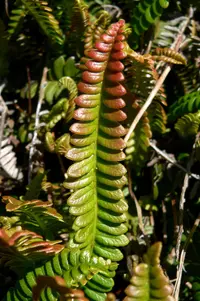
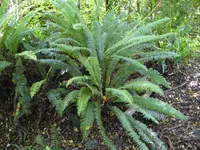
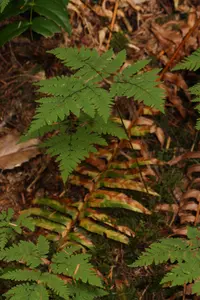
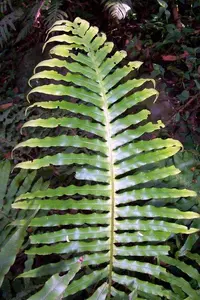
Little hard fern (Blechnum penna-marina) is a compact, evergreen fern forming low, spreading mats of fine-textured fronds. Its narrow, leathery leaflets create a dense, glossy carpet that can edge paths, fill shady rock crevices, or soften container plantings.
This species is native to cool, moist regions of the Southern Hemisphere, including parts of South America, Australia, and New Zealand. It prefers consistently damp, humus-rich soil and sheltered, low- to medium-light positions, which guides how to care for little hard fern.
Growth is generally slow but steady when moisture and shade are reliable, making it manageable for patient beginners and intermediate growers.

Care Difficulty
Moderate Care

Light Preference
Partial Shade

Water Requirements
Keep Soil Moist

Temperature Preference
Cold Hardy

Hardiness Zone
6–9

Soil Texture
Loamy, Peaty, Organic-rich

Soil pH
Acidic (5.5–6.5)

Soil Drainage
Moist but well-drained

Fertilization
Minimal (feed rarely)
Scan your plant to receive care tips personalized for your specific plant
Available on iOS and Android
This low fern prefers cool, soft light that mimics a forest floor environment.
This fern needs consistently moist but not waterlogged soil throughout the growing season.
This cool-climate fern prefers mild conditions and tolerates moderate cold once established.
This fern prefers consistently moist air and reacts quickly to dry indoor conditions.
This fern needs evenly moist, humus-rich soil that drains freely yet does not dry out quickly.
This species is well suited to containers, especially for patios, balconies, or shaded steps.
This fern has modest nutrient needs, so focus on light, steady feeding during active growth.
Pruning Blechnum penna-marina is mainly cosmetic and helps keep the mat of fronds tidy and healthy.
This fern spreads slowly but steadily, so transplanting or dividing is only needed occasionally to manage space or refresh soil.
Propagation of this fern is most reliable by careful division of established clumps rather than from spores.
Blechnum penna-marina is fairly cold tolerant but benefits from light winter protection in colder regions.

Plant Health Check
Not sure what's wrong with your plant? Check your plant's health inside the app.
This species is part of a southern hemisphere fern group with a distribution linked to the ancient supercontinent Gondwana, which helps explain its presence in both South America and Australasia.
It naturally occurs in high-altitude and subalpine habitats, tolerating cold, wind, and periodic snow cover better than many other ferns.
Its slender rhizomes spread horizontally just below the soil or moss surface, allowing it to form low, dense carpets among rocks and in turf-like ground layers.

In parts of its native range, this fern colonizes exposed, recently deglaciated or disturbed ground, acting as an early-successional species that stabilizes thin soils and creates more favorable microhabitats for later-arriving plants.
This species spreads slowly to moderately by short creeping rhizomes, forming low mats over time. It is not usually considered aggressive. In most gardens it stays manageable and can be easily edited or divided if it wanders.
Keep your plants happy and healthy with plant identification, disease detection, and easy care guidance.