Use leaf mulch
Apply a 2–3 cm layer of shredded hardwood leaves around the plant each autumn to mimic woodland litter, moderating soil moisture and slowly adding organic matter without smothering the shallow rhizomes.

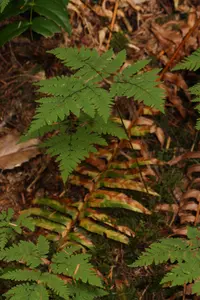
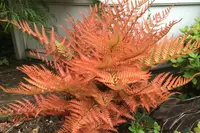
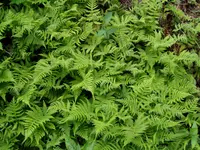
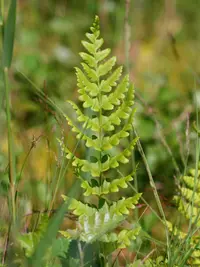
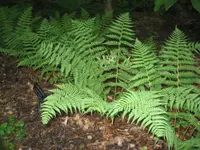
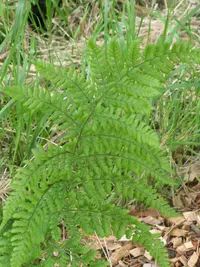
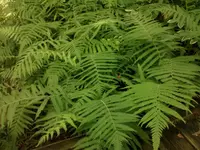
Oak fern, Gymnocarpium dryopteris, is a small, delicate woodland fern that forms low, spreading clumps of airy fronds. Its triangular, finely divided leaves create a soft, lacy texture close to the ground.
This species is native to cool, shaded forests across parts of North America, Europe, and Asia, where it grows in humus-rich, consistently moist soils. It stays compact and non-invasive, making it suitable for shaded garden edges or naturalistic woodland plantings.
Oak fern is generally considered moderate in difficulty, as it dislikes heat, drought, and strong sun. Understanding how to care for Oak Fern mainly involves providing cool shade, steady moisture, and well-drained, leaf-mold-rich soil.

Care Difficulty
Moderate Care

Light Preference
Partial Shade

Water Requirements
Keep Soil Moist

Temperature Preference
Cold Hardy

Hardiness Zone
3–8

Soil Texture
Loamy, Silty, Organic-rich

Soil pH
Acidic (5.5–6.5), Slightly acidic (6.5–7.0)

Soil Drainage
Moist but well-drained

Fertilization
Minimal (feed rarely)
Scan your plant to receive care tips personalized for your specific plant
Available on iOS and Android
This woodland fern prefers cool, shaded conditions that mimic a forest floor.
This fern needs consistently moist but not saturated soil to stay healthy.
This species thrives in cool, temperate conditions similar to its native woodland habitats.
This woodland fern prefers consistently moist air similar to a shaded forest floor.
This fern thrives in loose, humus-rich soil that mimics cool forest leaf litter.
This fern can be grown successfully in containers if moisture and root space are managed carefully.
This woodland fern needs only light feeding in containers and usually no fertilizer in rich, humusy garden soil when caring for Oak Fern.
Pruning Gymnocarpium dryopteris focuses on hygiene and maintaining a neat clump rather than reshaping the plant.
This fern is more often transplanted in shaded garden beds than repotted, as it spreads slowly by rhizomes.
Propagation of Gymnocarpium dryopteris is usually done by careful division of established clumps rather than spores in home settings.
This fern is cold hardy in much of its range and generally needs minimal winter care in the ground.

Plant Health Check
Not sure what's wrong with your plant? Check your plant's health inside the app.
This fern naturally occurs across cool, temperate forests of North America, Europe, and parts of Asia, forming a classic circumboreal pattern that reflects its adaptation to short growing seasons and cold winters.
It spreads mainly through slender, creeping rhizomes just below the soil surface, often forming loose colonies rather than tight clumps, which helps it quickly recolonize disturbed patches of forest floor.
Unlike many woodland ferns, it frequently favors mildly alkaline, calcium-rich substrates such as soils over limestone or other base-rich rocks, and in some regions is used as an indicator of these underlying geological conditions.

In several parts of Europe and North America, Gymnocarpium dryopteris is used by field botanists as an indicator species for relatively undisturbed, long-established woodland, since its colonies often persist only where natural forest structure and cool, moist microclimates have been maintained over many decades.
Browning fronds usually result from low humidity, underwatering, or excess direct sun. Check soil moisture, increase ambient humidity, and protect from hot, drying air. Remove fully brown fronds so new, healthy growth can develop.
Keep your plants happy and healthy with plant identification, disease detection, and easy care guidance.