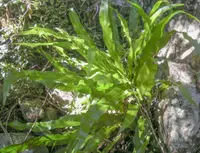
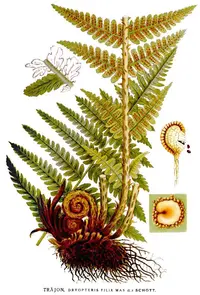
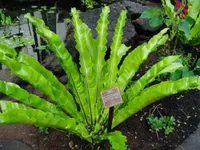
Kunth's maiden fern Care (Thelypteris kunthii)

Also known as: stately maiden fern, southern shield fern, Widespread Maiden Fern
Kunth's maiden fern

About Kunth's maiden fern

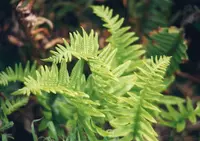
Kunth's maiden fern (Thelypteris kunthii) is a hardy deciduous fern typically forming broad, arching clumps of finely divided, soft green fronds. It spreads slowly by short rhizomes, creating a dense, graceful ground layer rather than an upright specimen.

This species is native to the southern United States, Mexico, and parts of Central America, where it grows in moist woodlands, streambanks, and shaded slopes. Its tolerance of heat and humidity, along with moderate cold, makes it easier to grow than many delicate ferns.

Understanding how to care for Kunth's maiden fern starts with providing consistent moisture, partial shade, and humus-rich, well-drained soil that does not dry out completely.

Main Plant Requirements

Care Difficulty

Easy Care

Light Preference

Partial Shade

Water Requirements

Keep Soil Moist

Temperature Preference

Warm Climate

Hardiness Zone

7–11

Soil Texture

Loamy, Silty, Organic-rich

Soil pH

Acidic (5.5–6.5), Slightly acidic (6.5–7.0)

Soil Drainage

Moist but well-drained

Fertilization

Minimal (feed rarely)

Get Personalized Care Plan

Scan your plant to receive care tips personalized for your specific plant

Available on iOS and Android

How to Care for the Kunth's maiden fern

This fern prefers bright, indirect light and performs well in dappled woodland conditions.

  • Provide 3–5 hours of gentle morning sun with afternoon shade, or all-day bright, filtered light under trees or shade cloth.
  • Tolerates partial shade, but in very deep shade fronds thin out and growth slows; increase light gradually if plants look sparse or floppy.
  • Kunth's maiden fern scorches in strong midday or late-afternoon sun, especially in summer, so protect from intense western exposure and reflective surfaces.

This fern prefers consistently moist but not waterlogged soil throughout the growing season.

  • Allow only the top 1–2 cm of soil to dry before watering again; soil below should feel cool and slightly damp to the touch.
  • Increase watering during hot, dry weather and reduce slightly in cool seasons, but do not allow the root zone to fully dry out.
  • If frond tips brown and curl, the plant is likely too dry; yellowing, limp fronds and a sour soil smell suggest poor drainage and overwatering around Thelypteris kunthii.

This fern thrives in mild, frost-free conditions with moderate summer heat.

  • Optimal growth occurs around 65–80°F (18–27°C), with steady temperatures supporting dense, healthy fronds during the growing season.
  • It tolerates brief dips to about 25–30°F (-4 to -1°C), but repeated hard frost can damage foliage; mulch crowns in colder areas for winter protection.
  • In hot regions, it handles up to 90°F (32°C) if soil stays moist and the site is shaded; prolonged heat with dry soil leads to leaf scorch and dormancy.

This fern prefers consistently moist air and reacts quickly to dry indoor conditions.

  • Aim for 50–70% humidity; it tolerates brief dips lower but fronds decline in very dry rooms.
  • Crisp tips, browning edges, and slow unfurling fronds indicate humidity stress rather than underwatering.
  • Use a wide pebble tray under the pot, group plants, or run a small humidifier nearby to increase humidity.

This species performs best in evenly moist, loose, organic-rich soil that drains yet never bakes hard.

  • Use a loamy mix of garden soil, leaf mold or compost, and fine pine bark to mimic woodland conditions for Thelypteris kunthii.
  • Ensure moderate drainage; soil should feel springy and crumbly, not sticky clay or fast-drying sand.
  • Target a slightly acidic to neutral pH around 6.0–7.0, avoiding strongly alkaline conditions that limit nutrient uptake.
  • Improve aeration and water movement by blending in 10–20% perlite or coarse sand, especially in heavier native soils.

This fern adapts well to container culture outdoors or in sheltered settings when moisture is consistent.

  • Choose a broad, shallow pot that allows rhizomes to spread horizontally rather than forcing deep root growth.
  • Select heavier materials like clay or ceramic to stabilize the spreading fronds in wind and reduce tipping risk.
  • Use a potting mix that holds moisture but drains from the bottom within a few seconds after watering to prevent waterlogging.

This fern grows well in average garden soil and needs only light feeding to stay healthy.

  • Apply a balanced, dilute liquid fertilizer (around 10-10-10 at 1/4–1/2 strength) every 4–6 weeks during spring and summer if growth is weak.
  • Use a thin layer of compost around the root zone once a year to improve soil structure and nutrient supply.
  • Stop feeding Kunth's maiden fern in fall and winter to avoid soft, weak growth during dormancy.

Thelypteris kunthii benefits from light, periodic pruning to keep the clump tidy and encourage fresh fronds.

  • Best time for pruning is late winter to early spring before strong new growth begins.
  • Cut dead, yellowing, or damaged fronds at the base using clean, sharp hand pruners or scissors.
  • Remove the oldest, most crowded fronds to improve air movement and maintain a neat, arching shape.
  • Disinfect tools before and after use, especially if any fronds show spots or disease symptoms.

This fern is usually grown in the ground, so focus on occasional division and transplanting rather than frequent repotting.

  • Look for crowded crowns, reduced vigor, or rhizomes pushing out of the soil as signs it needs lifting and division.
  • Plan transplanting or division in early spring or early fall, allowing cool, moist conditions for root recovery.
  • Typical frequency is every 3–5 years, or when the clump has overgrown its space or shaded itself heavily.
  • Dig up with a generous root ball, divide gently by hand or with a clean knife, replant at the same depth, then water thoroughly to settle soil and reduce stress.

Thelypteris kunthii is most commonly propagated by division, which is more reliable for home growers than spores.

  • Divide established clumps in early spring or early fall when soil is cool and evenly moist.
  • Lift the plant with a broad root ball, then separate sections, each with several fronds and healthy rhizomes.
  • Replant divisions at the original depth in shaded, humus-rich soil, firming gently around roots.
  • Keep soil consistently moist and provide shade or temporary cover until new growth confirms successful establishment.

This fern is generally cold hardy in much of its range and needs only modest winter care outdoors.

  • In regions with freezing winters, apply a 5–8 cm layer of mulch over the root zone after the ground cools.
  • Allow fronds to brown naturally; they can be cut back in late winter before new growth appears.
  • Move container-grown plants into a sheltered, frost-free but cool spot, keeping soil lightly moist, not wet.

Care Tips

Mulch For Moisture

Apply a 3–5 cm layer of fine bark or leaf mold around the rhizomes, keeping it just clear of the crown, to stabilize soil moisture and temperature and reduce weed competition.


Staggered Division

Divide mature clumps into several sections in early spring and replant them at slightly different distances and aspects to test which micro-sites on your property give the best vigor and frond density.

Frond Wind Management

In exposed sites, use low, open lattice edging or nearby companion shrubs as windbreaks to reduce frond shredding while still allowing good air movement and faster frond drying after rain.

Seasonal Frond Cleanup

In late winter, remove all old, tattered fronds at the base to reduce overwintering pests and fungal spores and to allow new croziers to emerge cleanly.

Moisture Zoning

When growing Kunth's maiden fern in mixed borders, group it with other moisture-loving shade plants and connect them to the same drip or soaker line so irrigation can be tuned to their shared needs without overwatering drier-area plants.

Common Pests and Diseases

Slugs and snails

This pest often feeds on the tender fronds, leaving irregular holes and ragged edges, especially in moist, shaded beds where this fern is commonly grown. Symptoms include shredded new growth and slime trails on or around the plants.

Solution

Hand-pick slugs and snails in the evening, use iron phosphate bait around plantings, and remove hiding places such as dense mulch or boards near the clump. Copper tape barriers or rough mineral grit around the crown can also reduce damage while keeping soil evenly moist but not waterlogged.

Caterpillars

These insects chew through leaflet margins and sometimes skeletonize sections of fronds, which can make the fern look sparse or tattered. Damage is usually most noticeable on new, tender fronds during warm months.

Solution

Inspect fronds regularly and remove caterpillars by hand before damage becomes extensive. In outdoor beds, a targeted application of Bacillus thuringiensis (Bt) to the foliage can control chewing larvae while having minimal impact on beneficial insects.

Leaf spot

This disease causes small brown to black spots on the pinnae that may enlarge, merge, and lead to premature browning of fronds. Symptoms include a scattered or blotchy pattern that looks worse in warm, humid, crowded plantings.

Solution

Remove and discard affected fronds to reduce inoculum, and improve air circulation by spacing clumps and thinning surrounding vegetation. Water at soil level rather than overhead and, in severe or recurring cases, use a fern-safe fungicide according to label directions.

Rust

This disease produces orange to brown pustules on the undersides of fronds, sometimes accompanied by yellowing on the upper surface. Symptoms include a powdery spore deposit that can spread along the frond and between neighboring plants in humid, sheltered sites.

Solution

Cut and dispose of heavily infected fronds, keeping debris out of compost. Increase airflow, avoid prolonged leaf wetness, and if rust recurs, apply a labeled systemic or protectant fungicide for ferns, rotating products to reduce resistance risk.

Interesting Facts

Native North American fern

This species is native to the south-central and southeastern United States and parts of northeastern Mexico, where it naturally colonizes moist woodlands, stream banks, and shaded slopes.

Deciduous yet cold-hardy

Unlike many evergreen ferns, it is deciduous and drops its fronds in winter, yet the underground rhizomes tolerate freezes and reliably resprout in spring in USDA zones roughly 6–9.

Rhizome-driven colony growth

The fern spreads by shallow, creeping rhizomes that gradually form dense colonies, which can stabilize soil on slopes and along waterways.

Botan icon

Did you know?

In its native range, this fern is often one of the first to recolonize disturbed, partially shaded moist ground, acting as an early successional species that helps rebuild understory cover after habitat disruption.

FAQs about Kunth's maiden fern

This species performs best outdoors in shaded beds or woodland-style gardens where humidity and soil moisture stay consistently moderate. Indoors it often struggles with dry air and limited space, so long-term performance is usually weaker.

Grow Healthy Plants with Botan Care

Keep your plants happy and healthy with plant identification, disease detection, and easy care guidance.


Botan plant care app — identify plants on mobile

Explore More Plants