California polypody Care (Polypodium californicum)

California polypody

About California polypody

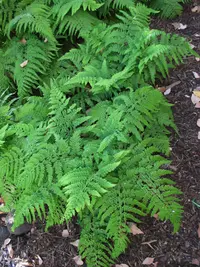
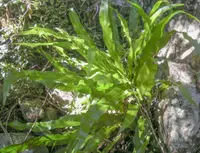
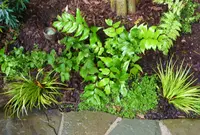
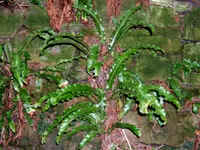
California polypody (Polypodium californicum) is a small evergreen to semi-evergreen fern native to coastal California and parts of Baja California. It typically grows in loose clumps, with arching fronds and creeping rhizomes that help it slowly spread over rocks or forest soil.

In nature it is often found on shaded slopes, canyon walls, and rocky outcrops where moisture is available but drainage is good. Its moderate growth rate, preference for cool, moist air, and dislike of harsh sun make it moderately easy but not foolproof to grow. Gardeners who learn how to care for California polypody usually succeed by mimicking its cool, shaded, well-drained woodland conditions.

Main Plant Requirements

Care Difficulty

Moderate Care

Light Preference

Partial Shade

Water Requirements

Moderate Water

Temperature Preference

Warm Climate

Hardiness Zone

8–10

Soil Texture

Sandy, Loamy, Rocky

Soil pH

Acidic (5.5–6.5), Slightly acidic (6.5–7.0)

Soil Drainage

Moist but well-drained

Fertilization

Minimal (feed rarely)

Get Personalized Care Plan

Scan your plant to receive care tips personalized for your specific plant

Available on iOS and Android

How to Care for the California polypody

This fern prefers bright, gentle light that mimics dappled woodland shade.

  • Provide 2–4 hours of soft morning sun with bright, filtered light the rest of the day; avoid direct afternoon sun that can scorch fronds.
  • Site California polypody under open tree canopies, on shaded slopes, or on north/east sides of structures where light is bright but indirect.
  • In hot summers, increase shade from midafternoon onward; in winter, allow a bit more direct morning sun to compensate for lower light levels.

This fern prefers evenly moist but not waterlogged soil around its shallow rhizomes.

  • Water when the top 2–3 cm of soil feel just dry, then water thoroughly so moisture reaches the root zone but excess drains away.
  • During active growth in spring and fall, monitor moisture more often; reduce frequency in midsummer heat and in winter dormancy while preventing complete drying.
  • Watch for yellowing, limp fronds as a sign of overwatering or poor drainage, and crisp, browning frond tips as a sign of underwatering or prolonged dryness in Polypodium californicum.

This species favors mild, coastal-type temperatures with limited extremes.

  • Aim for 55–75°F (13–24°C) for steady growth; brief dips slightly below or above are usually tolerated if soil moisture is stable.
  • Protect from hard frost; established plants may survive short drops to about 25°F (−4°C) but repeated freezing can damage fronds and rhizomes.
  • In hot spells above 85°F (29°C), give extra shade and maintain soil moisture; avoid planting in spots that trap reflected heat from pavement or walls.

This fern prefers moderate to high humidity to keep fronds lush and free from tip damage.

  • Aim for 50–70% humidity, as California polypody naturally grows in sheltered, moisture-retentive habitats.
  • Tolerates brief dips into 30–40% humidity, but frond tips may brown and curl if air stays too dry.
  • Increase humidity with a pebble tray under the pot, grouping plants, or placing it away from heating or AC vents.

Polypodium californicum grows best in loose, organic-rich, fast-draining soil that stays lightly moist.

  • Use a mix of 40% fine bark, 30% peat or coco coir, 20% compost, and 10% perlite or pumice for both moisture retention and air space.
  • Aim for slightly acidic to neutral pH, around 6.0–7.0, which supports nutrient availability and healthy root function.
  • Ensure excess water drains away quickly; waterlogged or compacted soil encourages rhizome rot and root suffocation.
  • To improve drainage and aeration in heavy mixes, increase bark and perlite, and avoid dense garden soil in containers.

This species is well suited to container growing when its shallow, creeping rhizomes are considered in pot choice.

  • Select a wide, shallow pot so rhizomes can spread horizontally without being buried too deeply.
  • Choose a relatively lightweight but stable container, since moist, bark-based mixes can make large pots heavy and hard to move.
  • Place the pot where it cannot tip easily, as spreading fronds can shift the center of gravity toward the rim.

This fern needs only modest feeding in cultivation, as it is adapted to low-nutrient habitats.

  • Use a balanced, diluted liquid fertilizer (for example 10-10-10 at 1/4–1/2 strength) during active spring growth.
  • Apply every 4–6 weeks in the growing season if fronds appear pale or growth is weak.
  • Stop feeding in late summer to fall as growth slows and avoid fertilizing during winter dormancy.
  • Light top-dressings of fine compost can replace liquids for low-maintenance caring for California polypody.

Polypodium californicum benefits from light, maintenance pruning rather than structural reshaping.

  • Best time for pruning is late winter to early spring, just before or as new fronds emerge.
  • Remove dead, yellowed, or damaged fronds at the base using clean, sharp scissors or pruners.
  • Thin out crowded, overlapping fronds to improve air flow and reduce fungal problems.
  • Pruning keeps the clump tidy and encourages fresh, healthy frond production without altering its natural form.

This fern resents frequent disturbance, so repotting or transplanting should be infrequent and gentle.

  • Plan to move Polypodium californicum only every 3–4 years, or when roots circle the pot or growth slows noticeably.
  • Choose early spring for transplanting, when new growth is starting and temperatures are mild.
  • Lift the rhizomes carefully, retain as much root ball as possible, and avoid breaking thick roots.
  • Replant at the same depth in a loose, well-drained mix, water thoroughly, then keep evenly moist and shaded for 1–2 weeks.

This species is most practically propagated by rhizome division in home gardens.

  • Divide established clumps in early spring when new frond buds are visible but still compact.
  • Lift the rhizome carefully, then cut sections with at least 2–3 healthy buds and attached roots.
  • Plant divisions just below the surface in a loose, humus-rich mix and water gently to settle.
  • Maintain high humidity, bright shade, and consistently moist (not waterlogged) substrate until strong new fronds appear.

Polypodium californicum is relatively cold tolerant in its native range and needs only light winter attention in mild climates.

  • In USDA zones around 8–10, plants usually overwinter outdoors without significant damage.
  • Apply a thin mulch layer around the root zone in late fall to buffer soil temperature and conserve moisture.
  • For containers, keep soil barely moist, shelter from harsh wind, and move pots indoors or under cover if hard freezes below about 25°F are expected.

Care Tips

Rhizome positioning

Set the rhizomes shallowly on the substrate surface and only partially cover them, as burying them deeply increases rot risk and reduces vigor over time.

Rock crevice planting

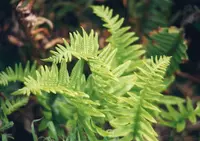
For outdoor planting, tuck divisions into rock crevices or between stacked stones with sharp drainage to mimic its natural habitat and improve long-term clump stability.

Seasonal frond renewal

In late summer or after a dry dormancy, remove desiccated fronds at the base and lightly clean debris from around rhizomes to reduce fungal issues and stimulate fresh growth.

Division for rejuvenation

Every 3–4 years, lift and divide older clumps into sections with several fronds and firm rhizome pieces, then replant at the same depth to maintain dense, healthy growth when growing California polypody.

Leaf litter mulching

Use a very thin layer of fine leaf litter or pine needles around but not over the rhizomes to buffer soil moisture, prevent compaction, and reduce weed competition without waterlogging.

Common Pests and Diseases

Fern aphids

This pest feeds on tender fronds and rachises, causing distortion, curling, and sticky honeydew that can lead to sooty mold on California polypody. Symptoms include clustered soft-bodied insects on the undersides of young fronds and at growing tips.

Solution

Rinse colonies off fronds with a firm stream of water, repeating every few days until numbers drop. For heavier infestations, treat undersides of fronds with insecticidal soap or a light horticultural oil, applied in the early morning or evening, and reduce excess nitrogen fertilization that encourages soft, aphid-prone growth.

Soft scale

These insects appear as small, rounded, tan to brown bumps along frond midribs and rhizomes, sucking sap and causing yellowing, stunted growth, and sticky honeydew. This pest often establishes on outdoor clumps in dry, sheltered spots with limited air movement.

Solution

Gently wipe reachable frond sections with a cloth or cotton pad dipped in diluted alcohol or insecticidal soap to remove scales and honeydew. For established landscape plants, prune and discard heavily infested fronds, then use repeated applications of horticultural oil during mild weather to smother remaining scale while improving air circulation around the planting.

Fern rust

This disease produces orange to brown powdery pustules on the undersides of fronds, sometimes causing yellow blotches on the upper surface and premature frond drop. Symptoms include patchy discoloration along the frond segments, especially in moist, shaded sites with limited airflow.

Solution

Remove and discard infected fronds promptly to reduce spore spread, and avoid overhead watering that keeps fronds wet for long periods. Improve spacing and airflow around the clump, water at soil level, and in repeatedly affected sites avoid crowding California polypody with dense groundcovers that trap humidity around the fronds.

Rhizoctonia crown rot

This disease affects the rhizomes, causing brown, sunken lesions at the crown, leading to wilting, poor frond expansion, and dieback in poorly drained or overwatered sites. Symptoms include mushy or discolored rhizome tissue and a foul smell when the plant is lifted or inspected at soil level.

Solution

Lift affected plants, trim away all soft or discolored rhizome sections, and replant only firm, healthy pieces into sharply drained, well-aerated soil or a gritty fern mix. Reduce watering frequency, avoid burying rhizomes too deeply, and in garden beds amend with coarse material or plant on a slight slope to keep the crown from sitting in saturated soil while following basic Polypodium californicum care to maintain moderate moisture rather than constant wetness.

Interesting Facts

California coast specialist

This fern is naturally restricted to California and northern Baja California, where it grows on rocky slopes, canyon walls, and outcrops, often in maritime-influenced habitats with mild, wet winters and dry summers.

Drought-season strategist

Its fronds are typically lush and active in the cool, rainy season, then may die back or partially wither in the dry summer, allowing the plant to persist through drought via its tough, creeping rhizomes.

Rock and tree dweller

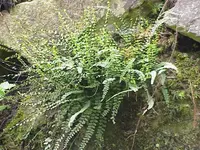
In the wild it often grows as a lithophyte on rock surfaces or as an epiphyte on mossy tree trunks, anchoring with its rhizomes instead of relying on deep soil, which is an important consideration in Polypodium californicum care.

Botan icon

Did you know?

Genetic studies show that Polypodium californicum is an allotetraploid, meaning it originated from hybridization between two different Polypodium species followed by chromosome doubling, which helped stabilize it as a distinct species in coastal California habitats.

FAQs about California polypody

This fern is semi-evergreen. In mild, moist climates it often keeps fronds year-round, though older fronds may look tired by late summer. In hotter or drier areas, it can partially die back and reflush with cooler, wetter weather.

Grow Healthy Plants with Botan Care

Keep your plants happy and healthy with plant identification, disease detection, and easy care guidance.

Botan plant care app — identify plants on mobile

Explore More Plants