Gristle Fern Care (Blechnum cartilagineum)

Also known as: Hammock fern
Gristle Fern

About Gristle Fern

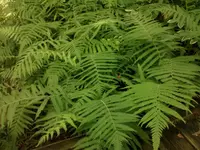
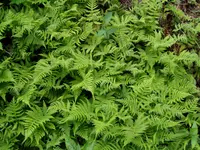
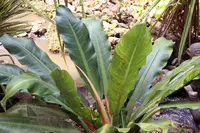
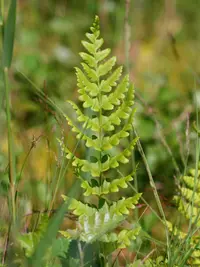
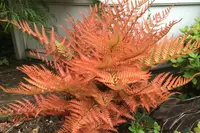
Gristle fern, Blechnum cartilagineum, is an evergreen terrestrial fern native to eastern Australia, where it grows in moist forests and along shaded slopes. It forms low, tidy clumps with leathery, divided fronds that often emerge coppery or reddish before maturing to glossy deep green. This species has a compact, symmetrical habit that suits containers and shaded garden beds. It prefers consistently moist, humus-rich soil and protection from strong, drying winds. Once its moisture needs are understood, it is considered moderately easy to grow and maintain. Many growers look up how to care for Gristle Fern when seeking a hardy fern for shaded, humid spots indoors or outdoors in mild climates.

Main Plant Requirements

Care Difficulty

Moderate Care

Light Preference

Partial Shade

Water Requirements

Keep Soil Moist

Temperature Preference

Warm Climate

Hardiness Zone

10–11

Soil Texture

Loamy, Peaty, Organic-rich

Soil pH

Acidic (5.5–6.5), Slightly acidic (6.5–7.0)

Soil Drainage

Moist but well-drained

Fertilization

Minimal (feed rarely)

Get Personalized Care Plan

Scan your plant to receive care tips personalized for your specific plant

Available on iOS and Android

How to Care for the Gristle Fern

This fern prefers soft, filtered light similar to a bright forest understory.

  • Provide 2–4 hours of gentle morning sun with bright, dappled or filtered light for the rest of the day; avoid harsh midday and afternoon sun.
  • Gristle Fern tolerates partial to full shade outdoors, but in deep shade fronds grow thin, sparse, and lose color intensity.
  • In summer, shield from strong western exposure to prevent leaf scorch; in winter, allow a little more direct morning light to compensate for shorter days.

Moist but not waterlogged soil is essential for healthy Blechnum cartilagineum growth.

  • Water when the top 2–3 cm of soil feel barely dry, aiming to keep the root zone evenly moist rather than letting it fully dry out.
  • Use well-drained, humus-rich soil so excess water can escape, reducing the risk of root rot, yellowing fronds, and sour, stagnant smells.
  • In cooler months, reduce frequency as evaporation slows; crisp, curling frond tips suggest underwatering, while blackened bases and mushy roots indicate overwatering.

Stable, mild temperatures support strong frond production and root health.

  • Ideal growth occurs around 60–80°F (16–27°C), with consistently moist soil and shelter from drying winds or strong drafts.
  • This fern tolerates brief dips to about 40°F (4°C) but is damaged by frost; prolonged exposure near freezing can kill new fronds and crowns.
  • In hot spells above 86°F (30°C), provide extra shade, higher humidity, and mulch around the root zone to keep soil cooler and reduce stress.

This fern prefers consistently humid air and reacts quickly to dry indoor conditions.

  • Aim for 60–80% humidity; in heated homes this often requires extra moisture support for Gristle Fern.
  • Crisping or browning of leaflet tips and edges signals air that is too dry or drafts from heaters or vents.
  • Increase humidity with a pebble tray under the pot, grouping plants closely, or using a small-room humidifier near but not blowing directly on the fronds.

Blechnum cartilagineum prefers loose, moisture-retentive but well-drained, organic-rich soil.

  • Use a mix of 2 parts peat or coco coir, 1 part fine pine bark, and 1 part perlite to balance moisture holding and drainage.
  • Keep pH slightly acidic to neutral, around 5.5–7.0, avoiding strongly alkaline substrates that can limit nutrient uptake.
  • Improve aeration by incorporating chunky bark or pumice so roots receive oxygen even when the mix is evenly moist.
  • Avoid heavy garden soil, unamended clay, or mixes that stay waterlogged, which encourage root and rhizome rot.

This species is well suited to container growing when moisture and stability are managed carefully.

  • Select a pot slightly wider than the root mass but not overly deep, which keeps the fibrous roots evenly moist without souring the mix.
  • Choose a stable, heavier container if grown outdoors in wind, as the arching fronds can catch air and tip light pots.
  • Use a pot material that matches your climate: porous terracotta for very damp regions, or glazed/ plastic pots where mixes dry out quickly.

Blechnum cartilagineum benefits from light, consistent feeding rather than heavy fertilizer applications.

  • Use a balanced, dilute liquid fertilizer (around 10-10-10) at 1/4–1/2 strength for caring for Gristle Fern in containers.
  • Feed every 4–6 weeks during the warm growing season when fronds are actively expanding.
  • Reduce or stop feeding in winter or any cool dormant period to avoid weak, soft growth.
  • In outdoor plantings, a thin layer of compost or slow-release granules in spring is usually sufficient.

Blechnum cartilagineum needs only light maintenance pruning to stay tidy and healthy.

  • Best timing is late winter to early spring, before strong new growth starts.
  • Remove dead, damaged, or diseased fronds at the base using clean, sharp scissors or hand pruners.
  • Thin out very crowded, old fronds to improve air flow and light to the crown.
  • Avoid cutting into the central growing point, as this can distort new frond development.

This fern tolerates being slightly pot-bound but benefits from periodic repotting or careful transplanting.

  • Check for roots circling the pot, pushing through drainage holes, or slowing top growth as signs it needs more space.
  • Plan repotting or transplanting in spring, every 2–3 years, when temperatures are mild and growth is starting.
  • Shift into a container 2–3 cm wider, using a moisture-retentive, well-drained mix, keeping the crown at the same depth.
  • Water thoroughly after moving, keep out of strong sun and wind for 1–2 weeks, and maintain even moisture to limit root stress.

Blechnum cartilagineum is most practically propagated by division rather than from spores at home.

  • Divide established clumps in late winter or early spring, when new croziers are just emerging.
  • Lift the plant, then split the rhizome into sections, each with several healthy fronds and firm roots.
  • Replant divisions into moist, well-drained, slightly acidic mix, keeping crowns level with the soil surface.
  • Maintain high humidity, consistent moisture, and indirect light until new fronds confirm successful establishment.

This subtropical fern is only mildly frost tolerant and needs protection in colder climates.

  • In USDA zones colder than 9, grow in containers and move indoors or to a frost-free greenhouse for winter.
  • For in-ground plants in mild regions, apply a 5–8 cm mulch layer around the root zone, keeping mulch off the crown.
  • Shelter foliage from freezing winds and hard frosts using temporary fabric covers or by situating plants under overhead canopy.

Care Tips

Acidic mulch layer

Apply a 2–3 cm layer of fine pine bark or leaf mold around the root zone to keep the shallow rhizomes cool, slightly acidic, and evenly moist while suppressing weeds without burying the crown.

Frond refresh cycle

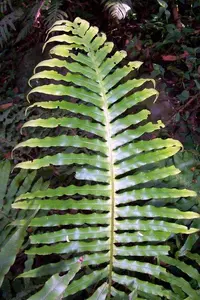
At the end of winter, remove only the oldest, dull or damaged fronds at the base to stimulate compact new growth while keeping enough healthy fronds to support robust photosynthesis.

Crowding and division

Every 3–4 years, lift and divide congested clumps in early spring, cutting the rhizome with a clean, sharp knife into sections with several healthy fronds and replanting immediately at the same depth to maintain vigor and prevent dieback in the center.

Wind and traffic protection

Site plants away from strong wind and narrow paths, or use low edging, since repeated frond knocking and tearing increases stress and opens tissue to fungal infection.

Container microclimate

For pots, use a wide, shallow container and group with other shade plants on a large saucer filled with pebbles and water to create a cooler, moister microclimate that supports growing Gristle Fern in drier homes or patios.

Common Pests and Diseases

Scale insects

These insects feed on frond midribs and stipes, causing yellow flecks, sticky honeydew, and sooty mold on the leathery foliage. Infestations often develop on plants grown in sheltered, shaded positions with poor air movement.

Solution

Remove heavily infested fronds and gently scrape or wipe remaining scales off with a cotton pad dipped in isopropyl alcohol or insecticidal soap, taking care not to damage the frond surface. Improve air movement around the fern and repeat treatments weekly until no new scales appear; for outdoor landscape plants, a horticultural oil spray can be used during mild weather, fully coating the undersides of fronds.

Fern aphids

These insects cluster on young croziers and tender rachises, sucking sap and causing distortion, pale growth, and sticky honeydew on the fronds. Populations tend to build up during mild, humid weather, especially under cover or in sheltered courtyards.

Solution

Rinse infested fronds with a firm stream of water to knock aphids off developing fronds, then follow with insecticidal soap, ensuring good coverage of the growing tips and undersides. Encourage natural predators outdoors and avoid high-nitrogen fertilization, which promotes soft, aphid-prone growth.

Rhizoctonia blight

This disease affects crowns and lower fronds in warm, moist conditions, leading to water-soaked lesions that turn brown and can cause patchy dieback in clumps. Symptoms include fronds collapsing from the base while the upper parts remain green for a short time.

Solution

Remove and discard all affected fronds and any dead crown tissue, then improve drainage and reduce overhead watering so the crown dries between irrigations. Space plants to increase airflow, and in severe or recurring cases use a fungicide labeled for Rhizoctonia on ornamentals, applied according to label directions.

Foliar leaf spot

This disease causes small brown to black spots or blotches on pinnae that may coalesce, giving fronds a scorched or patchy appearance, especially in dense, shaded plantings. Symptoms include more damage on older or lower fronds where moisture lingers longest.

Solution

Prune and discard spotted fronds to reduce inoculum, and water at the base early in the day so foliage dries quickly. Increase light to bright shade, improve air circulation, and, if the problem persists, apply a fern-safe copper or broad-spectrum fungicide at label rates, focusing on new emerging fronds.

Fern mites

This pest, often a type of spider mite, thrives in dry indoor conditions on leathery ferns, causing fine speckling, dull fronds, and in heavy infestations slight webbing on the underside of pinnae. Symptoms include gradual bronzing and reduced vigor in plants grown in heated, low-humidity rooms or under covered patios.

Solution

Increase humidity to 50–60% with regular misting or a pebble tray, and hose down fronds, paying attention to undersides to physically remove mites. Follow with repeated applications of insecticidal soap or a light horticultural oil every 7–10 days until new growth appears clean, and avoid placing the plant near hot, drying air vents.

Interesting Facts

Striking juvenile fronds

New fronds often emerge in pink to reddish-bronze tones before maturing to glossy mid-green, creating a clear color contrast between young and older foliage on the same plant.

Australian rainforest native

This species occurs naturally in eastern Australian rainforests and moist eucalypt forests, where it grows on shaded forest floors and along creek lines in humus-rich, consistently damp soils.

Tough yet moisture-loving

The common name gristle fern refers to its relatively firm, cartilage-like frond texture that tolerates brief dry spells better than many other rainforest ferns, while still favoring moist, sheltered conditions.

Botan icon

Did you know?

In parts of its native range, this fern can form extensive ground-covering colonies under dense forest canopies, stabilizing the soil and contributing to the low, evergreen layer of subtropical rainforest structure.

FAQs about Gristle Fern

Brown fronds usually result from low humidity, chronic underwatering, or exposure to hot or cold drafts. Salty or fluoridated tap water can also scorch tips. Trim dead tissue, improve humidity, and water with consistent, moderate moisture using soft water.

Grow Healthy Plants with Botan Care

Keep your plants happy and healthy with plant identification, disease detection, and easy care guidance.

Botan plant care app — identify plants on mobile

Explore More Plants