wild guava Care (Psidium friedrichsthalianum)

wild guava

About wild guava

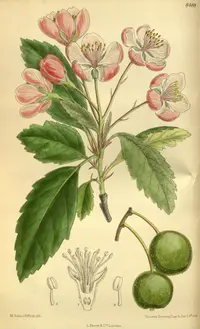
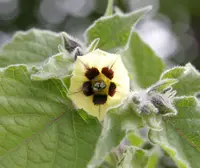
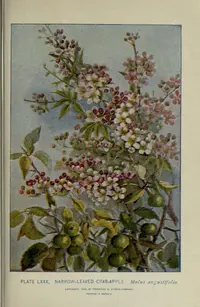
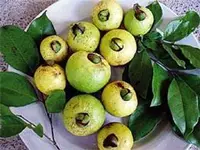
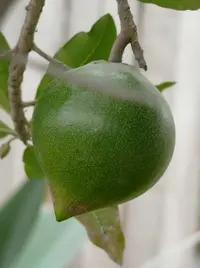
Wild guava, Psidium friedrichsthalianum, is a small evergreen tree or large shrub grown for its aromatic white flowers and small, tart, yellow fruits. It has dense, glossy foliage and a naturally rounded crown, making it suitable for orchards, food forests, and larger gardens.

This species is native to Central America, where it grows in warm, humid, highland regions. It is generally resilient and adapts to a range of tropical and subtropical conditions, but young plants dislike prolonged cold and waterlogged soil.

It prefers bright light, moderate moisture, and well-drained soil rich in organic matter. Once established, it is relatively low-maintenance, which makes it easier to care for wild guava in suitable climates.

Main Plant Requirements

Care Difficulty

Moderate Care

Light Preference

Full Sun

Water Requirements

Regular Water

Temperature Preference

Tropical / Frost Sensitive

Hardiness Zone

10–12

Soil Texture

Sandy, Loamy, Organic-rich

Soil pH

Acidic (5.5–6.5), Slightly acidic (6.5–7.0)

Soil Drainage

Moist but well-drained

Fertilization

Light (every 4–6 weeks)

Get Personalized Care Plan

Scan your plant to receive care tips personalized for your specific plant

Available on iOS and Android

How to Care for the wild guava

Psidium friedrichsthalianum prefers bright, direct light but benefits from some daily shade in hot climates.

  • Provide 6–8 hours of direct sun, ideally with morning sun and light afternoon shade to reduce leaf scorch risk.
  • Young trees tolerate partial shade, but fruiting improves in locations with at least 4–5 hours of unobstructed sun for wild guava.
  • In very hot summers, use filtered light or light shade during 1–4 p.m.; in winter, maximize sun exposure to support steady growth.

Water needs for Psidium friedrichsthalianum focus on steady soil moisture without saturation.

  • Irrigate when the top 3–5 cm of soil feels dry, aiming for deep soaking that moistens the entire root zone, then allow partial drying.
  • Use well-drained soil so excess water runs off within a few minutes; soggy soil, yellowing leaves, and blackened roots indicate overwatering.
  • In hot, dry periods increase frequency as leaves lose turgor or curl slightly; reduce watering in cool seasons while preventing complete soil dryness.

This species prefers warm, frost-free conditions and reacts poorly to sudden temperature extremes.

  • Aim for 68–86°F (20–30°C) for active growth, which supports steady leaf production and flowering.
  • Protect plants when temperatures approach 32°F (0°C); brief dips to 30°F (−1°C) may cause leaf damage, and harder frost can kill young wood.
  • Mature trees tolerate short heat waves up to about 100°F (38°C) if soil moisture is stable, but prolonged heat with dry soil increases stress and fruit drop.

This species prefers moderately humid air but adapts to many home environments.

  • Aim for 50–70% humidity to support steady leaf growth and flowering.
  • It tolerates brief drops to 30–40%, but prolonged very dry air can cause leaf edge browning and tip dieback.
  • Increase humidity with a nearby tray of water and pebbles or group wild guava with other plants to create a slightly more humid microclimate.

This species grows best in airy, fast-draining, organic-rich soil that still holds some moisture.

  • Use a mix of roughly 40% compost, 40% pine bark fines, and 20% perlite or coarse sand for structure and drainage.
  • Target a slightly acidic to neutral pH around 6.0–7.0 for Psidium friedrichsthalianum roots to access nutrients efficiently.
  • Ensure the mix feels loose and crumbly; add extra bark chips or perlite if it compacts after watering.
  • Avoid heavy clay, waterlogged conditions, or peat-only mixes that stay saturated and exclude oxygen from the root zone.

This guava adapts well to container growing when the pot supports its deep, spreading root system.

  • Choose a pot at least 35–45 cm deep to allow a stable root anchor and reduce toppling in wind.
  • Select a heavy ceramic or thick plastic container in exposed sites to counterbalance the woody canopy as it gains height.
  • Raise the container slightly on feet or bricks so drainage holes clear quickly after heavy watering or rain.

Psidium friedrichsthalianum benefits from moderate feeding in containers, while in-ground trees often need only light supplementation.

  • Use a balanced slow-release fertilizer (such as 10-10-10) or well-aged compost at the start of the growing season for wild guava.
  • Feed potted plants every 6–8 weeks in spring and summer at half the label strength to avoid salt buildup.
  • Reduce or stop fertilization in fall and winter when growth slows, especially in cooler regions.
  • Water before and after fertilizing to distribute nutrients evenly and limit root burn.

Psidium friedrichsthalianum responds well to light structural pruning that maintains an open, healthy canopy.

  • Carry out main pruning in late winter or very early spring before vigorous new growth begins.
  • Remove dead, diseased, crossing, or inward-growing branches to improve air flow and light penetration.
  • Shorten overly long shoots to shape the crown and keep fruit within reach without heavy topping.
  • Use clean, sharp bypass pruners or loppers, making smooth cuts just above a bud or branch junction.

This species is often grown in the ground, but young or container-grown plants benefit from careful transplanting to support steady growth.

  • Check for roots circling the pot drainage holes, soil drying very quickly, or slowed growth as signs a container plant needs a larger space.
  • Plan transplanting or up-potting for late spring when temperatures are stable and active growth supports recovery.
  • Move to a container 2–5 cm wider or a ground hole twice the rootball width, using well-drained, slightly acidic soil.
  • Loosen circling roots gently, keep the rootball evenly moist before and after planting, and shade the tree for a few days to reduce stress.

New Psidium friedrichsthalianum plants are commonly raised from seed, with cuttings used where identical traits are desired.

  • Sow fresh seeds in late spring in a warm, bright spot, using a sterile, well-drained mix kept at 70–80°F.
  • Lightly cover seeds, maintain steady moisture but not saturation, and expect germination over several weeks.
  • Take semi-hardwood cuttings in early summer, use rooting hormone, and place in high humidity with bottom warmth.
  • Provide bright, indirect light and very gentle air movement to limit rot while roots form.

This subtropical tree has low frost tolerance and benefits from basic winter protection in cooler climates.

  • Avoid exposure below about 28–30°F; young trees are especially sensitive to freezing conditions.
  • Apply a 5–8 cm mulch layer around the root zone in late fall, keeping it slightly away from the trunk.
  • Wrap trunks and main branches of small outdoor trees with frost cloth during hard freezes.
  • Move container plants indoors or into a bright, frost-free greenhouse before the first significant frost.

Care Tips

Train Central Leader

Select one strong vertical stem when the plant is young and gently stake it as a central leader to improve structure, increase light penetration, and support heavier fruiting later.

Thin Developing Fruit

Once fruits reach marble size, remove some from crowded clusters so remaining fruits size up better, branches are not overburdened, and alternate-year bearing is reduced.

Use Reflective Mulch

In cooler or marginal climates, apply a light-colored or reflective mulch under the canopy to increase soil warmth and light around lower branches, which can improve flowering and ripening consistency.

Windward Branch Support

In windy sites, install low, flexible ties or soft tree straps on windward branches before the main fruiting season to prevent splitting and to keep scaffold branches at a strong, wide angle.

Sanitize Pruning Tools

Disinfect pruning blades with 70% isopropyl alcohol or a dilute bleach solution between plants and after removing diseased wood to reduce the spread of fungal and bacterial problems when growing wild guava.

Common Pests and Diseases

Guava fruit fly

This pest lays eggs inside developing fruits, where larvae tunnel through the pulp, causing internal breakdown and premature fruit drop.

Solution

Collect and destroy infested and fallen fruits promptly, use fine-mesh fruit bagging or netting to exclude adults, and deploy protein bait traps or species-specific lures to reduce populations; in outdoor orchards, coordinated sanitation with nearby growers gives better long-term control.

Guava moth

This pest bores into young fruits and sometimes tender shoots, leading to external scarring, internal feeding damage, and early fruit drop.

Solution

Remove and dispose of damaged fruits and pruned infested twigs, use fruit bagging where practical, and consider pheromone traps for monitoring and mass trapping; maintaining good orchard hygiene and avoiding prolonged periods of unharvested ripe fruit helps break the life cycle.

Anthracnose

This disease causes dark, sunken lesions on fruits, leaves, and young shoots, often with orange or pink spore masses in humid conditions.

Solution

Prune to improve airflow, remove and discard infected fruit and leaves, avoid overhead watering, and apply a registered copper-based or other labeled fungicide during warm, wet periods if the disease is recurrent; collecting mummified fruits after harvest reduces future spore sources.

Algal leaf spot

This disease presents as raised, circular, green to reddish-brown patches on leaves and young stems, which can coalesce and cause leaf yellowing or drop in severe cases.

Solution

Improve light and air movement through regular thinning, avoid constantly wet foliage, and prune out heavily affected shoots; in humid regions, copper-based sprays labeled for algal leaf spot can be used preventively on high-value plants, especially when planning how to take care of wild guava in shaded, moist sites.

Guava rust

This disease produces yellow spots on upper leaf surfaces and powdery orange pustules beneath, which can lead to premature defoliation and reduced vigor.

Solution

Remove and destroy heavily infected leaves, maintain good spacing and pruning to reduce leaf wetness duration, and use protectant fungicides labeled for rust on Myrtaceae when disease pressure is high; avoid overhead irrigation and irrigate early in the day so foliage dries quickly.

Interesting Facts

High-altitude tolerance

Costa Rican guava naturally occurs on cool, misty mountain slopes in Central America and can fruit reliably at elevations above 1,000 m, unlike many tropical guavas that prefer lowland heat.

Distinctive sour flavor

The fruit is notably more acidic and strongly aromatic than common guava, which is why it is traditionally favored for juices, jellies, and preserves rather than eaten fresh out of hand.

Specialist pollinator visitors

In its native range, the flowers are visited by a mix of bees, wasps, and small beetles that handle the abundant pollen and nectar, helping secure good fruit set even in cloud forest conditions.

Botan icon

Did you know?

In parts of Costa Rica, this species is so closely associated with traditional fruit drinks that the name cas or cas guava often refers specifically to its sharply flavored juice, which is sold commercially and regarded as a characteristic local beverage rather than a generic guava product.

FAQs about wild guava

The fruit is edible and widely used for juices, jams, sauces, and desserts. It has a tart, aromatic pulp with many hard seeds. The rind is usually not eaten but can flavor drinks when strained.

Grow Healthy Plants with Botan Care

Keep your plants happy and healthy with plant identification, disease detection, and easy care guidance.

Botan plant care app — identify plants on mobile

Explore More Plants