
Strong stem training
Pinch out the very first flower cluster and lightly tie the main stem to a stake to encourage a stronger central leader that can support more fruit later in the season.

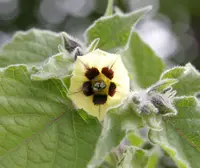
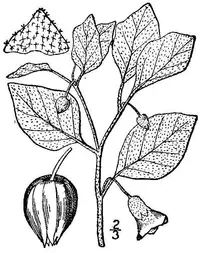
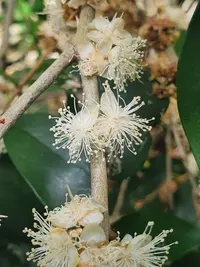
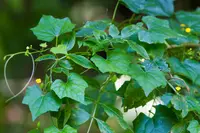
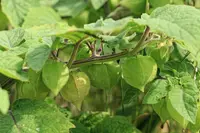
Cape gooseberry, Physalis peruviana, is a soft-stemmed, fast-growing fruiting plant in the nightshade family. It is usually grown as a short-lived perennial or annual. The plant forms a bushy, branching habit with lantern-like husks that enclose small golden berries.
It is native to the Andes region of South America but is now grown in many warm and temperate regions worldwide. Plants are generally robust and productive if given sun, moderate moisture, and well-drained soil.
For those learning how to care for Cape gooseberry, its main needs are protection from frost, enough light, and support to keep the fruiting stems off the ground.

Care Difficulty
Moderate Care

Light Preference
Full Sun

Water Requirements
Moderate Water

Temperature Preference
Tropical / Frost Sensitive

Hardiness Zone
10–12

Soil Texture
Sandy, Loamy, Organic-rich

Soil pH
Acidic (5.5–6.5), Slightly acidic (6.5–7.0)

Soil Drainage
Moist but well-drained

Fertilization
Light (every 4–6 weeks)
Scan your plant to receive care tips personalized for your specific plant
Available on iOS and Android
Physalis peruviana needs plenty of direct light to flower and fruit well outdoors.
This species prefers evenly moist, well-drained soil that never stays soggy for long.
This warm-season plant grows best in mild, frost-free conditions.
This species handles typical home and outdoor humidity well, so humidity is rarely a limiting factor for Cape gooseberry.
This species prefers loose, well-drained, moderately fertile soil that supports steady root growth.
This species is suitable for container growing when the pot provides enough depth, stability, and drainage.
Physalis peruviana responds well to moderate, steady feeding for strong growth and fruiting.
Pruning Physalis peruviana helps manage size, improve airflow, and support better fruit production.
Cape gooseberry grows quickly and benefits from timely transplanting or repotting to maintain vigor.
New Physalis peruviana plants are most often raised from seed, with cuttings as a secondary method.
This frost-tender species needs thoughtful winter care in climates colder than USDA zone 9.

Plant Health Check
Not sure what's wrong with your plant? Check your plant's health inside the app.
Each berry develops inside an enlarged, papery calyx that forms a lantern-like husk, which helps protect the fruit from pests and sun damage and allows it to dry and store on the plant longer than many other soft fruits.
The ripe berries are known for relatively high levels of carotenoids, especially beta-carotene, which the human body can convert to vitamin A compared with many other small fruits.
This species is native to the Andean regions of Peru, Colombia, and surrounding areas, where it has been cultivated for centuries and integrated into local diets and small-scale agriculture.
In some Andean production regions, the berries are exported as a specialty crop under trade names such as goldenberry or Cape gooseberry, and quality standards often specify calyx color and integrity because the intact husk is used as a visual indicator of ripeness and postharvest handling quality.
Poor flowering often comes from insufficient light, cool temperatures, or excess nitrogen fertilizer, which promotes leaves instead of buds. Ensure strong sun, moderate feeding, and avoid pruning new shoots heavily just before the natural flowering period.
Keep your plants happy and healthy with plant identification, disease detection, and easy care guidance.