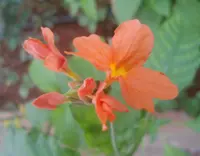
foolproofplant Care (Billbergia pyramidalis)

Also known as: Fool Proof Plant
foolproofplant

About foolproofplant

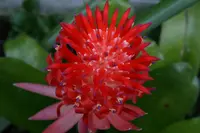
Foolproofplant, botanically known as Billbergia pyramidalis, is a compact bromeliad valued for its upright rosette of stiff leaves and bright, long-lasting flower spikes. It often forms clumping groups, making a dramatic accent in containers or warm-climate landscapes.

This species is native to Brazil, where it grows as an epiphyte or terrestrial plant in warm, humid habitats. Its tough foliage, modest root system, and ability to store water in its central cup make it relatively forgiving indoors.

Given bright, indirect light, moderate warmth, and free-draining mix, it adapts well to home conditions, so learning how to care for foolproofplant is straightforward for most plant owners.

Main Plant Requirements

Care Difficulty

Easy Care

Light Preference

Partial Shade

Water Requirements

Moderate Water

Temperature Preference

Tropical / Frost Sensitive

Hardiness Zone

10–12

Soil Texture

Sandy, Loamy, Organic-rich

Soil pH

Acidic (5.5–6.5), Slightly acidic (6.5–7.0)

Soil Drainage

Well-drained

Fertilization

Light (every 4–6 weeks)

Get Personalized Care Plan

Scan your plant to receive care tips personalized for your specific plant

Available on iOS and Android

How to Care for the foolproofplant

Billbergia pyramidalis prefers bright, indirect light with brief periods of gentle direct sun.

  • Provide 3–5 hours of soft morning sun or late-afternoon sun, with filtered or dappled light the rest of the day.
  • Plant in partial shade outdoors; strong midday sun can scorch leaves, causing pale, dry patches.
  • In lower light the rosette stays green and flowering may decrease; in winter, move closer to a bright window to compensate for shorter days, especially for foolproofplant indoor care.

Billbergia pyramidalis needs moderate watering with attention to both soil and central cup moisture.

  • Allow the top 2–3 cm of soil to dry before watering; use fast-draining mix to prevent root rot.
  • Keep the central rosette cup 1/3–1/2 full of clean water in warm months, flushing it every 1–2 weeks to avoid stagnation.
  • Reduce watering in fall–winter as growth slows; leaves curling or folding indicate thirst, while limp, yellowing bases suggest overwatering.

This bromeliad prefers warm, frost-free conditions to maintain healthy growth and flowering.

  • Aim for 65–80°F (18–27°C) for active growth; short spikes to 85–90°F (29–32°C) are tolerated with shade and good airflow.
  • Protect from cold below 50°F (10°C); extended exposure under 45°F (7°C) can damage foliage and the central growing point.
  • Billbergia pyramidalis is not frost hardy, so move container plants under cover before the first frost and avoid placing garden plants in low, frost-prone spots.

This bromeliad benefits from moderate indoor humidity but copes with typical household air.

  • Aim for 40–60% humidity; the leaf tank can hold some water, but the surrounding air should not be extremely dry.
  • Brown, crisp leaf tips or slow leaf expansion signal low humidity stress rather than watering issues.
  • Increase humidity with a nearby pebble tray or grouped plants; avoid misting directly into the central cup to prevent rot in this foolproofplant.

Billbergia pyramidalis needs a very loose, fast-draining, air-filled mix similar to epiphytic bromeliads or orchids.

  • Use roughly 50% fine orchid bark, 25% perlite or pumice, and 25% peat or coco coir for moisture without waterlogging.
  • Ensure the mix feels springy and open; roots must receive plenty of air or they rot quickly.
  • Target a slightly acidic to neutral pH around 5.5–7.0, avoiding limy mixes based heavily on garden soil.
  • Avoid dense, clay-based, or peat-only potting media, and correct heavy mixes by blending in extra bark and perlite to boost drainage.

This species is well suited to container growing both indoors and outdoors in mild climates.

  • Choose a pot just 2–4 in wider than the root base so the central cup stays stable without excess wet mix around it.
  • Select a heavier ceramic or clay container outdoors to prevent the tall rosette from toppling in wind or when flowering.
  • Use a pot with large drainage holes and raise it slightly on feet or spacers so runoff escapes quickly and does not pool under the base.

Billbergia pyramidalis needs modest feeding to support foliage and flowering when actively growing.

  • Use a balanced liquid fertilizer (around 10-10-10 or 20-20-20) diluted to 1/4–1/2 strength for foolproofplant indoor care.
  • Feed every 4–6 weeks in spring and summer, applying to the soil, not filling the central cup heavily with fertilizer solution.
  • Skip or greatly reduce feeding in fall and winter when growth slows, to avoid salt buildup and weak, leggy growth.
  • Occasionally supplement with a thin layer of fine compost on top of the mix, keeping it away from the leaf bases to prevent rot.

Billbergia pyramidalis benefits from light pruning focused on removing spent growth rather than shaping.

  • Cut off spent flower stalks at the base once blooms fade, using clean, sharp scissors or pruners.
  • Remove dead, damaged, or collapsing outer leaves anytime to improve airflow and reduce disease risk.
  • Thin out old, exhausted rosettes after they finish flowering, leaving healthy offsets to maintain a full clump.
  • Perform most clean-up in late winter or early spring so new pups receive more light and space.

This bromeliad prefers to stay slightly root-bound and is repotted infrequently, mainly to manage crowded clumps.

  • Look for roots circling the pot, slow growth despite good care, or many crowded offsets as signs it needs repotting.
  • Plan to repot or divide every 2–3 years in spring, when active growth resumes and recovery is fastest.
  • Gently remove the plant, shake off loose mix, and separate offsets with several healthy roots before placing into a slightly larger pot with free-draining medium.
  • After repotting, water lightly, keep in bright but indirect light, and avoid heavy feeding for 2–3 weeks to limit root stress.

This species is most commonly propagated by division of offsets rather than by seed.

  • Detach offsets (pups) when they are about 1/3–1/2 the size of the mother plant, ideally in spring or early summer.
  • Use a clean, sharp knife to separate each pup with a small portion of roots attached.
  • Plant pups in a well-draining bromeliad or orchid-style mix, then water lightly to settle the roots without waterlogging.
  • Provide bright, indirect light, 65–80°F temperatures, and moderately high humidity to encourage quick establishment.

This tropical bromeliad is frost-sensitive and needs protection in regions with cold winters.

  • Keep temperatures above 50°F; foliage can suffer damage near freezing and the plant may die with hard frost.
  • Move container plants indoors before the first frost, placing them in bright, indirect light with good air circulation.
  • In mild climates, grow in the ground only in frost-free or near-frost-free zones, using a light mulch to buffer root temperatures.

Care Tips

Offset management

Allow offsets to reach at least one-third the size of the mother plant before detaching, then pot them into a free-draining mix and keep slightly more shaded for 2–3 weeks to improve establishment.

Tank water hygiene

Flush the central cup thoroughly with clean, lukewarm water every 2–4 weeks, then refill, to reduce salt buildup and discourage mosquito larvae and fungal issues.

Outdoor summering

In mild to warm climates, move container plants outdoors in bright, filtered light for late spring to early autumn to increase color intensity and vigor, bringing them back indoors before nights drop below about 55°F.

Post-flower handling

After the bloom has faded, leave the mother rosette in place until it begins to decline, since it continues to support offset growth even when the inflorescence is finished.

Stable container choice

Use a wide, heavy container or add topdressing gravel to prevent top-heavy plants from tipping as rosettes and offsets elongate, especially when placing pots on stands or balcony railings.

Common Pests and Diseases

Scale insects

This pest attaches to leaves and leaf bases, sucking sap and causing yellowing, weak growth, and sticky honeydew that can lead to sooty mold. Symptoms include small brown, tan, or whitish bumps that do not rub off easily.

Solution

Isolate the plant, then wipe affected areas with cotton pads dipped in 70% isopropyl alcohol, repeating weekly until new growth is clean. For heavier infestations, use an insecticidal soap or horticultural oil spray, ensuring thorough coverage of leaf bases and inner rosettes, and improve air movement to reduce reinfestation.

Mealybugs

These insects hide in leaf axils and the central cup, feeding on sap and causing stunted growth, leaf distortion, and sticky residue. Symptoms include white, cotton-like clumps especially where leaves join the stem or deep in the rosette.

Solution

Flush the cup and leaf bases with lukewarm water, then spot-treat visible clusters with cotton swabs dipped in alcohol. Follow with 2–3 applications of insecticidal soap at 7–10 day intervals, keeping the plant out of direct hot sun while treated and checking nearby bromeliads for spread as part of Billbergia pyramidalis care.

Bromeliad mite

This pest feeds in the hidden parts of the rosette, causing pale, bleached, or silvery patches, distorted new leaves, and reduced flowering. Symptoms include dry-looking speckling or streaking that does not wipe off and may be worse on the inner leaves.

Solution

Rinse the rosette thoroughly under a gentle but strong stream of water, directing flow into the cup and leaf bases, and remove severely damaged leaves. In persistent cases, apply a miticide labeled for ornamental bromeliads and increase humidity and air movement while avoiding hot, dry air that favors mite buildup.

Phytophthora crown rot

This disease attacks the basal tissues and central rosette, particularly when water sits in the cup under cool, stagnant conditions. Symptoms include a foul smell, collapsing leaves at the base, and soft, brown, water-soaked tissue that spreads quickly.

Solution

Discard severely affected plants, as recovery is rare, and dispose of potting mix to prevent spread. For early, localized symptoms, remove and destroy affected parts, empty and rinse the cup regularly, keep the plant in a warmer, well-ventilated spot, and avoid letting the crown remain cold and wet for prolonged periods.

Leaf spot (Helminthosporium-type)

This disease produces tan to brown spots with darker margins on leaves, often starting where water remains on the surface. Symptoms include small lesions that can merge into larger patches, making foliage look dull and patchy.

Solution

Improve air circulation, avoid overhead watering, and allow the leaf surfaces and cup to dry partially between waterings, especially in cool conditions. Remove spotted leaves if heavily affected and, if the problem continues, use a fungicide labeled for ornamental leaf spots according to directions, treating nearby bromeliads at the same time to limit spread.

Interesting Facts

Tank-forming rain collector

This species forms a tight rosette that holds water in a central tank, creating a tiny reservoir that provides habitat for small invertebrates and even mosquito larvae in its native range.

Winter-flowering bromeliad

Unlike many ornamental bromeliads, it often sends up its bright red flower spike in late fall to winter, providing nectar when fewer tropical plants are in bloom.

Clumping rock specialist

In the wild it commonly grows as a lithophyte on rocks or shallow, rocky soil, forming dense clumps that help stabilize it in exposed, seasonally harsh sites.

Botan icon

Did you know?

Billbergia pyramidalis has naturalized in parts of Florida and Hawaii, where its ability to form self-sustaining clumps from offsets has allowed it to spread beyond cultivation and become locally invasive in moist, shaded habitats.

FAQs about foolproofplant

Insufficient light, very low humidity, or lack of maturity are common reasons. Each rosette flowers only once, usually after 2–4 years, then slowly declines while offsets develop that will produce the next bloom cycle.

Grow Healthy Plants with Botan Care

Keep your plants happy and healthy with plant identification, disease detection, and easy care guidance.

Botan plant care app — identify plants on mobile

Explore More Plants