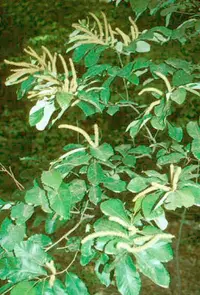
Encourage Multi-Stems
Select 3–5 strong basal shoots in the first 2–3 years and remove weaker ones at ground level to build a stable, multi-stem clump that resists wind and produces nuts more evenly.

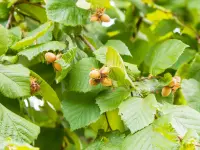
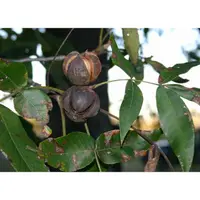
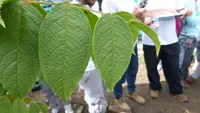
American hazelnut, Corylus americana, is a deciduous shrub native to Eastern and Central North America. It typically forms a multi-stemmed thicket with a rounded, informal shape. Leaves are broad and toothed, turning yellow in fall, and the plant produces catkins in late winter followed by edible nuts enclosed in leafy husks. It commonly grows at woodland edges, along streams, and in hedgerows, showing good tolerance to cold and varied soils. This species is generally considered easy to grow, thanks to its adaptability, durability, and wildlife value. Gardeners who understand how to care for American hazelnut appreciate its reliability as a low-maintenance, habitat-friendly shrub.

Care Difficulty
Easy Care

Light Preference
Full Sun

Water Requirements
Moderate Water

Temperature Preference
Cold Hardy

Hardiness Zone
4–9

Soil Texture
Loamy, Sandy, Clay

Soil pH
Acidic (5.5–6.5), Slightly acidic (6.5–7.0)

Soil Drainage
Moist but well-drained

Fertilization
Minimal (feed rarely)
Scan your plant to receive care tips personalized for your specific plant
Available on iOS and Android
This shrub prefers full sun to light shade for best nut production and dense growth.
This species prefers evenly moist, well-drained soil, especially during establishment and active growth.
This hardy shrub tolerates a wide temperature range and is adapted to outdoor conditions in many temperate regions.
This shrub tolerates a wide humidity range and rarely needs special humidity management outdoors.
Corylus americana grows best in loose, moderately moist, well‑drained mineral soil with ample organic matter.
This species can be grown in containers short term but is better suited to in‑ground planting long term due to its size and root spread.
This native shrub usually grows well in average soil, so American hazelnut benefits from only modest fertilization in poorer sites.
Corylus americana responds well to light structural pruning that maintains an open, healthy shrub.
This shrub is best grown in the ground, so management focuses on thoughtful transplanting rather than frequent repotting.
Corylus americana is commonly propagated by seed, suckers, or simple layering for home landscapes.
This species is very cold hardy and typically needs minimal winter care in most temperate climates.

Plant Health Check
Not sure what's wrong with your plant? Check your plant's health inside the app.
This shrub is native to a wide range of habitats in eastern North America, from dry upland woods to moist stream edges, showing high ecological adaptability within its home range.
Its dense, multi-stemmed thickets provide shelter and nesting sites for birds and small mammals, while the nutrient-rich nuts are an important autumn food source for species such as squirrels, blue jays, and wild turkey.
Male flowers form long, pendulous catkins that release pollen into the wind in late winter, while the tiny, red, threadlike stigmas of the female flowers emerge separately and rely entirely on wind, not insects, for pollination.

The American hazelnut is one of the native species being actively used in breeding programs to improve cold hardiness and disease resistance, particularly against eastern filbert blight, in commercial hazelnut cultivars.
This shrub spreads slowly by short suckers and from nut dispersal. It can form a thicket over time, but is usually manageable with periodic pruning and strategic removal of unwanted shoots at the base.
Keep your plants happy and healthy with plant identification, disease detection, and easy care guidance.