Beech Fern Care (Phegopteris connectilis)

Also known as: long beech fern, northern beech fern
Beech Fern

About Beech Fern

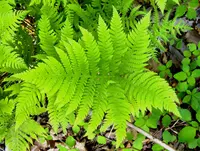
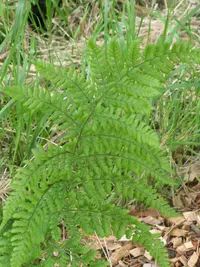
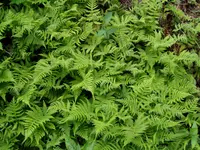
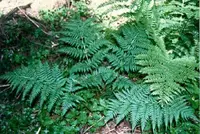
Beech fern (Phegopteris connectilis) is a hardy deciduous fern found in cool, moist forests, often carpeting the ground along streams and shaded slopes. It forms low, graceful clumps with triangular fronds that arch outward, giving a soft, layered look. The fronds attach near the tip of the stem, creating a distinctive open base. This species naturally occurs across northern parts of North America and Eurasia, usually in humus-rich, consistently damp soils. It adapts well to shaded gardens and woodland plantings if soil moisture is kept even and drainage is good. For anyone learning how to care for Beech Fern, its main needs are stable moisture, shade, and protection from strong heat or drying wind.

Main Plant Requirements

Care Difficulty

Moderate Care

Light Preference

Shade

Water Requirements

Keep Soil Moist

Temperature Preference

Cold Hardy

Hardiness Zone

3–8

Soil Texture

Loamy, Silty, Organic-rich

Soil pH

Acidic (5.5–6.5), Slightly acidic (6.5–7.0)

Soil Drainage

Moist but well-drained

Fertilization

Minimal (feed rarely)

Get Personalized Care Plan

Scan your plant to receive care tips personalized for your specific plant

Available on iOS and Android

How to Care for the Beech Fern

This woodland fern prefers soft, indirect light that mimics a shaded forest floor.

  • Provide dappled shade or bright, filtered light with no more than 1–2 hours of gentle morning sun and no direct afternoon sun.
  • Aim for locations receiving 2–4 hours of indirect daylight; deep shade slows growth and produces sparse, elongated fronds.
  • Protect Beech Fern from strong midday sun, which can cause leaf scorch, faded fronds, and dry, compacted soil, especially in summer.

This fern thrives in consistently moist, cool soil that never fully dries out.

  • Maintain evenly moist soil, allowing only the top 1–2 cm to start drying before the next watering, especially during active growth.
  • Increase watering in warm, dry weather and reduce slightly in fall and winter, while still preventing the root zone from drying out completely.
  • Watch for drooping, crisp frond tips as a sign of underwatering, and yellowing, limp fronds or sour-smelling soil as signs of excess moisture and poor drainage.

This hardy fern is adapted to cool, temperate climates and tolerates significant seasonal change.

  • Best growth occurs around 55–70°F (13–21°C), matching mild spring and early summer woodland conditions.
  • Established plants tolerate drops to about 20°F (-7°C), with fronds dying back and crowns overwintering under mulch or leaf litter.
  • Heat above 80°F (27°C) can stress plants, so provide shade, extra moisture, and a cool root zone during hot spells to prevent frond scorch and decline.

This fern prefers consistently moist air to keep fronds lush and resilient.

  • Aim for 50–70% humidity, as typical of shaded woodland conditions.
  • Tolerates short spells of drier air, but frond tips may brown and curl when humidity stays low.
  • Increase humidity with a pebble tray, grouping plants together, or a fine-mist humidifier, which is especially helpful when caring for Beech Fern indoors.

This species prefers a loose, humus-rich substrate that mimics moist forest floor conditions.

  • Use a mix of 50% peat or coco coir, 30–40% fine compost, and 10–20% perlite or fine bark for structure and moisture retention.
  • Ensure the substrate is consistently moist yet well drained, with water flowing freely from the pot base without pooling.
  • Aim for slightly acidic soil, roughly pH 5.5–6.5, which suits the natural habitat of Phegopteris connectilis.
  • Avoid heavy clay, compacted mixes, or substrates that dry to a hard crust, as these reduce aeration and damage fine roots.

This fern can be grown in containers if moisture and stability are carefully managed.

  • Choose a wide, shallow container to accommodate its spreading rhizomes and keep the root zone evenly moist.
  • Select a heavier pot material such as ceramic or clay to stabilize the light, arching fronds outdoors in wind.
  • Elevate the pot slightly on feet or bricks so drainage holes stay clear and runoff exits quickly, preventing waterlogging at the base.

This woodland fern has modest nutrient needs, so fertilizing Beech Fern should stay light and carefully controlled.

  • Use a balanced, dilute liquid fertilizer (for example 10-10-10 at 1/4 strength) or thin compost during active growth.
  • Feed every 4–6 weeks in spring and early summer if soil is low in organic matter.
  • Skip or greatly reduce feeding in late fall and winter when growth slows or stops.
  • Water before and after feeding to prevent root burn and keep salts from accumulating.

Phegopteris connectilis needs only light pruning to keep fronds tidy and healthy.

  • Best time for pruning is late winter or early spring before new fronds unfurl.
  • Cut dead, yellowing, or damaged fronds at the base with clean, sharp scissors or pruners.
  • Remove crowded or overlapping fronds to improve air flow and reduce fungal problems.
  • Limit pruning to older fronds so the plant keeps a natural, arching shape and steady growth.

This fern is more often grown in the ground, so transplanting is more common than container repotting.

  • Plan to divide or move clumps every 3–5 years, or when growth becomes crowded or declines.
  • Ideal timing is early spring, just as new fronds emerge, to allow a full season for reestablishment.
  • Lift the clump carefully, gently tease apart roots, and trim only broken or circling roots to limit stress.
  • Replant at the original depth in moist, humus-rich soil, then water thoroughly and shade from strong sun until recovered.

Phegopteris connectilis is typically propagated by division, which maintains the parent plant’s traits.

  • Best season for division is early spring as new fiddleheads start to appear.
  • Lift the clump and split it into sections, each with healthy roots and several buds or crowns.
  • Replant divisions immediately into moist, humus-rich soil and firm gently to remove air pockets.
  • Keep soil evenly moist and provide shade or dappled light until new fronds establish and expand.

This fern is quite cold hardy and usually needs minimal winter care in the ground.

  • Tolerates freezing temperatures when planted in suitable outdoor zones with well-drained soil.
  • Allow fronds to die back naturally; they can insulate the crown over winter.
  • In colder areas, add a 5–8 cm layer of leaf mulch around the root zone after hard frosts.
  • For container plants, move pots to a sheltered, unheated but frost-free spot to prevent root damage.

Care Tips

Mulch For Coolness

Apply a 3–5 cm layer of fine, composted bark or leaf mold around the rhizomes to keep roots cool, reduce moisture swings, and mimic its natural forest floor conditions.

Rhizome Positioning

When planting, set the shallow rhizomes just below the surface and angle them slightly outward to encourage a spreading colony rather than a tight clump.

Gentle Colony Division

Divide established clumps in early spring by lifting sections with several fronds and intact rhizomes, then replant promptly and shade the area for 1–2 weeks to reduce transplant stress.

Leaf Litter Winter Cover

Leave a light layer of deciduous leaf litter over the planting area through winter to insulate crowns and protect young buds, then thin it slightly in spring without fully clearing the soil.

Moisture Zoning In Beds

In mixed shade beds, position this fern in the dampest section or closest to a soaker hose emitter so that more drought-tolerant neighbors do not compete for its preferred consistently moist zone when growing Beech Fern.

Common Pests and Diseases

Fern aphids

These insects feed on tender fronds and sori, causing distortion, yellowing, and sticky honeydew on the foliage. Symptoms include curling young fronds and sooty mold growing on the honeydew in damp, shaded sites.

Solution

Rinse colonies off the fronds with a firm stream of water and remove heavily infested fronds. If needed, apply insecticidal soap or a ready-to-use horticultural oil, repeating at 5–7 day intervals while monitoring closely, and avoid overfertilizing, which encourages soft, aphid-prone growth.

Scale insects

These insects appear as small, fixed bumps on stipes and undersides of fronds, slowly weakening the fern. Symptoms include dull, yellowing foliage and sticky residue in severe cases.

Solution

Gently scrape off individual scales with a cotton swab dipped in alcohol, then wash fronds with lukewarm water. For larger infestations, use horticultural oil labeled for ferns, coating all plant surfaces and improving air movement so fronds dry between waterings.

Fern rust

This disease produces orange to brown pustules or patches on the underside of fronds, sometimes leading to premature browning and drop. Symptoms include irregular discolored spots that spread along damp, crowded foliage.

Solution

Promptly remove and discard affected fronds and any fallen debris, then thin or divide plants to improve airflow and reduce humidity around the foliage. Avoid overhead watering, especially late in the day, and if the problem persists in outdoor plantings, consider relocating clumps to a spot with better air circulation and good drainage as part of long-term Phegopteris connectilis care.

Leaf spot

This disease causes small, dark, water-soaked or tan lesions on fronds that may merge into larger dead patches under prolonged moisture. Symptoms include uneven spotting along the leaf blades, often starting on older fronds in dense, shaded stands.

Solution

Remove and discard spotted fronds to reduce the source of infection, and avoid splashing water onto foliage by watering at soil level. Increase spacing and airflow, and in persistent outdoor cases, limit overhead irrigation and ensure the fern is not crowded by taller vegetation that traps moisture.

Slugs and snails

These pests chew irregular holes and notches in the soft fronds, especially on emerging fiddleheads in moist woodland conditions. Symptoms include shredded edges and slime trails on or near the plant.

Solution

Hand-pick slugs and snails in the evening, use slug traps or barriers such as copper tape around small plantings, and keep heavy mulch slightly pulled back from crowns. Reduce hiding places like thick leaf litter immediately around the plant while still maintaining the cool, moist soil this species prefers.

Interesting Facts

Distinctive drooping fronds

This species has triangular fronds whose lowest pair of pinnae (leaflets) distinctly droop away from the rest of the blade, a trait that helps distinguish it from many look‑alike woodland ferns.

Unusual leaf hair pattern

The fronds are hairless on the upper surface but bear fine hairs mainly along the veins beneath, a diagnostic feature used by botanists to separate it from closely related beech ferns.

Northern hemisphere specialist

It has a broad but strongly northern distribution, occurring in cool, moist forests across much of boreal and temperate Eurasia and North America, often forming scattered colonies on acidic, humus‑rich soils or mossy rocks.

Botan icon

Did you know?

The sori (spore clusters) of this fern are located near the margins of the leaf segments and lack an indusium, a protective covering present in many other ferns, which gives the underside of fertile fronds a characteristically exposed, beadlike appearance when mature.

FAQs about Beech Fern

This species is a true fern and does not produce flowers or blooms at any stage. Instead, it reproduces by spores, which form in small clusters on the undersides of mature fronds during the growing season.

Grow Healthy Plants with Botan Care

Keep your plants happy and healthy with plant identification, disease detection, and easy care guidance.

Botan plant care app — identify plants on mobile

Explore More Plants