Black wood fern Care (Dryopteris cycadina)

Also known as: Shaggy wood fern
Black wood fern

About Black wood fern

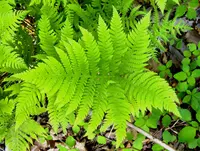
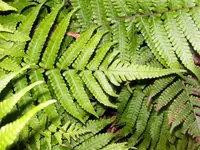
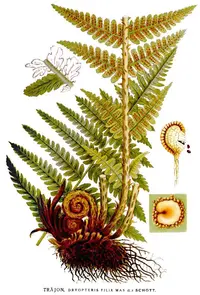
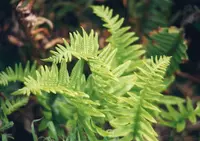
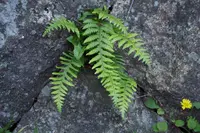
Black wood fern (Dryopteris cycadina) is a hardy, clumping fern valued for its dark, almost black scales on the stems and midribs. Its upright fronds create a bold, architectural look that works well in shaded borders and woodland-style plantings.

This species is native to parts of East Asia, where it grows in cool, moist forest environments. It is generally considered easy to grow if given consistent moisture, rich soil, and protection from hot, direct sun, so learning how to care for Black wood fern is straightforward for most home gardeners.

Main Plant Requirements

Care Difficulty

Moderate Care

Light Preference

Partial Shade

Water Requirements

Keep Soil Moist

Temperature Preference

Cool Climate

Hardiness Zone

6–8

Soil Texture

Loamy, Peaty, Organic-rich

Soil pH

Acidic (5.5–6.5), Slightly acidic (6.5–7.0)

Soil Drainage

Moist but well-drained

Fertilization

Minimal (feed rarely)

Get Personalized Care Plan

Scan your plant to receive care tips personalized for your specific plant

Available on iOS and Android

How to Care for the Black wood fern

Dryopteris cycadina grows best in bright shade that mimics a woodland understory.

  • Provide dappled or filtered light with 1–3 hours of gentle morning sun and full shade from harsh midday and afternoon sun.
  • Site Black wood fern under trees, on the north or east side of buildings, or where it receives reflected light rather than direct rays.
  • Watch fronds: pale, scorched, or crispy tips indicate too much sun; sparse, stretched growth suggests the planting spot is too dark.

This fern prefers consistently moist but not waterlogged soil around its root zone.

  • Water when the top 2–3 cm of soil feel slightly dry, aiming for evenly damp soil that never stays soggy or completely dries out.
  • Use rich, humus-based soil with good drainage; standing water or a sour smell indicates overwatering and risk of root rot.
  • In hot, dry periods increase checks to daily, while in cool or rainy seasons reduce watering and rely more on natural rainfall.

This fern prefers cool to mild conditions with protection from extremes.

  • Aim for active growth in 50–75°F (10–24°C), where fronds stay firm and color remains deep green.
  • Mature plants tolerate short dips to about 15–20°F (-9 to -6°C) with mulched roots, but repeated hard freezes can damage new fronds.
  • In summer, protect from hot, dry winds and temperatures above 85°F (29°C) by providing shade and extra soil moisture to limit heat stress.

This fern prefers consistently moist air and benefits from higher humidity.

  • Aim for 50–70% humidity; it tolerates brief dips but prolonged very dry air leads to crisping frond tips.
  • Watch for pale, curling, or browning pinnae edges as signs of low humidity stress in Black wood fern.
  • Increase humidity with a wide pebble tray under the pot, grouped plants, or a nearby cool-mist humidifier, not by misting heavily.

This species prefers a loose, humus-rich, evenly moist substrate that still drains freely.

  • Use a mix of roughly 50% peat or coco coir, 30–40% composted bark, and 10–20% perlite to create a fibrous, airy structure.
  • Aim for slightly acidic to neutral pH around 5.5–7.0, similar to woodland soils where Dryopteris cycadina naturally grows.
  • Ensure water drains within a few seconds from the pot base; standing water or a heavy, sticky texture increases root-rot risk.
  • Improve dense or clay-heavy mixes by blending in extra bark chips and perlite to open the structure and enhance aeration.

This fern adapts well to container cultivation when moisture and stability are carefully managed.

  • Choose a squat, wider pot rather than a tall narrow one to support the plant’s spreading crown and prevent tipping in wind.
  • Use a container material with moderate moisture retention, such as glazed ceramic, to reduce rapid drying while still allowing drainage.
  • Elevate the pot slightly on feet or bricks so drainage holes stay clear and excess water escapes quickly after rain or watering.

Dryopteris cycadina benefits from light, consistent feeding rather than heavy fertilization.

  • Use a balanced liquid fertilizer (around 10-10-10) at 1/4–1/2 strength every 4–6 weeks during spring–summer on moist soil.
  • Alternatively, top-dress with a thin layer of compost once in spring for slow, steady nutrients.
  • Reduce feeding to 1 light application in fall and avoid fertilizing during winter dormancy.
  • For Black wood fern in containers, choose a mild slow-release fertilizer and avoid products high in salts.

Dryopteris cycadina needs only light, periodic pruning to stay tidy and healthy.

  • Late winter or early spring is the best time to remove last season’s dead or damaged fronds before new growth emerges.
  • Cut old fronds at the base with clean, sharp pruners to reduce disease risk and improve airflow around the crown.
  • Thin out badly crowded or yellowing fronds to maintain an attractive arching shape and better light penetration.
  • Disinfect tools with alcohol between plants, especially if there are signs of fungal spotting or rot.

This fern is usually grown in the ground, but container plants or crowded clumps benefit from occasional transplanting.

  • Plan repotting or division in early spring, just before new fronds unfurl, to reduce stress.
  • Look for roots circling the pot, water draining too quickly, or slowed growth as signs a container plant needs more space.
  • Repot every 2–3 years into a slightly larger container with moisture-retentive, well-drained mix, keeping the crown at the same depth.
  • Water thoroughly after moving or dividing, then keep soil evenly moist and shaded for 1–2 weeks to help roots re-establish.

Dryopteris cycadina is most reliably propagated by division of established clumps.

  • Divide in early spring when new croziers (emerging fronds) just start to appear and soil is workable.
  • Lift the clump carefully, then split into sections, each with several growing points and healthy roots.
  • Replant divisions at the original depth in humus-rich, evenly moist, shaded soil or a similar potting mix.
  • Keep newly divided plants in consistent shade with 60–80% humidity and avoid drying out while new roots develop.

This fern is moderately cold hardy but benefits from simple winter care in colder regions.

  • In zones colder than about USDA 6, apply a 5–8 cm mulch layer around the root zone after the ground cools.
  • Allow fronds to die back naturally, then remove them in late winter to reduce pests and fungal issues.
  • For container plants, move pots into a sheltered, frost-free but cool spot and keep soil just slightly moist.

Care Tips

Staggered Division

Divide clumps only every 3–4 years and split them into large sections with several crowns each to maintain vigor and avoid shocking the plant.

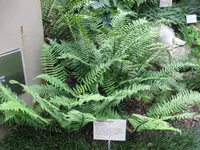
Cool Root Mulching

Apply a 5–8 cm layer of fine bark or leaf mold around the root zone, keeping it just off the crowns, to maintain cool, evenly moist soil and reduce weed competition.

Frond Hygiene

Remove dead or heavily spotted fronds at the base with disinfected pruners in late winter to improve air movement and reduce fungal spore buildup.

Slug Barrier Setup

Place rough grit or sharp sand in a narrow ring around the crown and, if needed, add iron phosphate pellets outside that ring to protect emerging croziers from slug damage.

Shaded Container Placement

When growing Black wood fern in containers, use a tall, heavy pot placed in a sheltered, wind-protected nook so the fronds are less likely to snap and the root zone stays cool.

Common Pests and Diseases

Scale insects

This pest feeds on frond stalks and undersides, causing yellowing, stunted growth, and sticky honeydew that can lead to sooty mold on Dryopteris cycadina.

Solution

Remove heavily infested fronds, then gently scrub remaining scale with a soft brush or cloth dipped in a mix of mild soap and water; repeat weekly until controlled. Increase airflow around the fern, avoid excess nitrogen fertilization, and, if needed, use a targeted horticultural oil spray labeled for ferns, applied thoroughly to stems and frond undersides.

Aphids

These insects cluster on soft new croziers and frond tips, sucking sap and causing distortion, curling, and slow unfurling of new growth.

Solution

Rinse colonies off with a firm but controlled stream of water, focusing on young fronds and undersides. For persistent infestations, apply insecticidal soap or a low-concentration horticultural oil, repeating every 5–7 days until new growth appears clean and vigorous.

Fern rust

This disease produces orange to brown pustules on the undersides of fronds, which may turn yellow, then brown and dry prematurely.

Solution

Remove and discard all affected fronds to reduce spore spread, then improve spacing and airflow so foliage dries faster after watering or rain. Avoid overhead watering, keep foliage dry where possible, and in severe or recurring cases use a fungicide labeled for rust diseases on ornamental ferns, following label directions closely.

Rhizoctonia crown rot

This disease starts at the crown and lower stipe bases, causing blackened tissue, wilting, and collapse of fronds, especially in poorly drained, warm conditions.

Solution

Cut away and discard affected crowns and fronds, then improve drainage and avoid planting too deep or covering the crown with heavy mulch. Reduce watering frequency, water at soil level only, and in valuable clumps consider a soil drench with a fungicide labeled for Rhizoctonia on ornamentals, applied preventatively in warm, wet periods.

Slugs and snails

These pests chew irregular holes in young fronds and newly emerging croziers, often leaving slime trails and ragged leaf edges.

Solution

Hand-pick at dusk or early morning, and reduce hiding spots by clearing dense debris and keeping mulch thin near the crown. For ongoing problems, use iron phosphate slug bait placed around but not touching the plant, and consider physical barriers such as copper tape or rough grit to protect emerging fronds while growing Black wood fern in shaded beds.

Interesting Facts

Cycad-like frond texture

The fronds have a thick, leathery texture and stiff, arching form that closely resemble cycad foliage, which is the reason for its species name cycadina.

Distinctive dark stipe scales

The stipes and crowns are covered with dense, dark brown to almost black scales that create a striking contrast against the fresh green leaf tissue, making it one of the more visually dramatic hardy ferns in cultivation.

High shade adaptability

This species naturally grows in understory habitats in East Asia and adapts well to low-light garden conditions, tolerating deeper shade than many other ornamental ferns while still maintaining a well-structured crown.

FAQs about Black wood fern

Brown, crispy fronds usually result from low humidity, underwatering, or excessive direct sun. Check soil moisture, raise humidity with a pebble tray, and move the plant out of harsh sun. Trim fully dead fronds at the base.

Grow Healthy Plants with Botan Care

Keep your plants happy and healthy with plant identification, disease detection, and easy care guidance.

Botan plant care app — identify plants on mobile

Explore More Plants