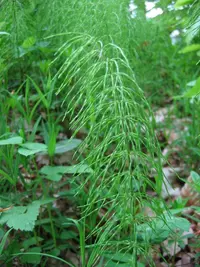
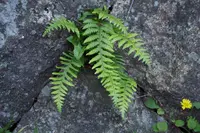
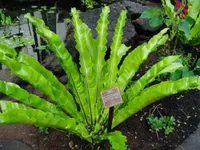
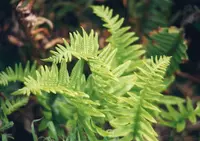
broad buckler-fern Care (Dryopteris dilatata)

broad buckler-fern

About broad buckler-fern

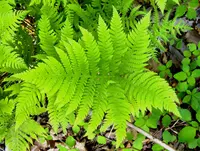
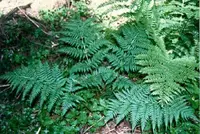
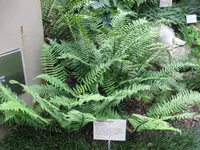
Broad buckler-fern, Dryopteris dilatata, is a hardy, clump-forming deciduous fern valued for its dense, finely divided fronds and tidy, vase-shaped habit. The fronds often have a slightly glossy surface and dark, scaly stipes, giving the plant a textured, architectural look in shade plantings.

This species is native to cool, moist woodlands across Europe and parts of western Asia, where it thrives in humus-rich, consistently damp soil. It is generally considered easy to grow if kept in shade to part shade with even moisture and good organic matter, so learning how to care for broad buckler-fern is straightforward for most gardeners.

Main Plant Requirements

Care Difficulty

Moderate Care

Light Preference

Partial Shade

Water Requirements

Keep Soil Moist

Temperature Preference

Cold Hardy

Hardiness Zone

4–8

Soil Texture

Loamy, Peaty, Organic-rich

Soil pH

Acidic (5.5–6.5), Slightly acidic (6.5–7.0)

Soil Drainage

Moist but well-drained

Fertilization

Minimal (feed rarely)

Get Personalized Care Plan

Scan your plant to receive care tips personalized for your specific plant

Available on iOS and Android

How to Care for the broad buckler-fern

This shade-loving fern prefers cool, indirect light similar to a woodland edge.

  • Provide dappled or filtered light with 1–3 hours of gentle morning sun, avoiding direct midday or afternoon sun that can scorch fronds.
  • Site broad buckler-fern in partial to full shade; dense shade slows growth and produces sparse, elongated fronds, while bright filtered light encourages fuller clumps.
  • In summer, protect from strong sun with overhead canopy or shade cloth; in winter, increased light through bare trees is usually acceptable if not paired with harsh wind.

This fern prefers consistently moist, cool soil without waterlogging.

  • Irrigate when the top 2–3 cm of soil feels slightly dry, aiming for evenly damp soil that never becomes dusty or cracked.
  • Use humus-rich, well-drained soil so excess water can escape; soggy, sour-smelling soil and blackened bases indicate overwatering and potential root rot.
  • In hot, dry spells increase checks, watching for limp, curling, or crisping fronds as a sign the plant has dried too much, especially in exposed or sloped sites.

This hardy fern tolerates a wide temperature range but performs best in cool, stable conditions.

  • Optimal active growth occurs around 55–70°F (13–21°C), with cool nights helping maintain firm, green fronds.
  • Dryopteris dilatata survives down to about 0°F (−18°C) once established; fronds may die back in severe frost, but crowns usually resprout in spring.
  • Heat above 80°F (27°C) can stress the plant, so provide extra shade, mulch to cool the root zone, and adequate moisture during hot, dry periods.

This fern prefers consistently moist air and benefits from higher humidity than typical heated homes.

  • Aim for 60–80% humidity; place broad buckler-fern away from heating vents and strong drafts.
  • Crisping frond tips, dull color, and stalled new fronds indicate air that is too dry.
  • Increase humidity with a pebble tray under the pot, grouping plants, or a nearby humidifier rather than frequent misting.

This species performs best in cool, moisture-retentive but well-aerated soil.

  • Use a loose, humus-rich loam made from 2 parts compost, 1 part garden soil, and 1 part fine bark or leaf mold.
  • Ensure moisture-holding capacity but avoid waterlogging by adding coarse sand or fine grit to improve drainage pathways.
  • Aim for slightly acidic to neutral pH, around 5.5–7.0, avoiding liming unless soil is very acidic.
  • Do not plant Dryopteris dilatata in heavy, compacted clay or pure peat, as both restrict oxygen around roots and promote rot.

This fern adapts well to container growing outdoors in shaded, cool positions.

  • Choose a wide, moderately deep pot that allows the crown to sit just at the surface while giving space for outward-spreading roots and rhizomes.
  • Select a heavy terracotta or ceramic pot to stabilize the fronds and slow moisture loss in windy or exposed sites.
  • Raise the container on feet or bricks so drainage holes never sit in standing water after rain, preventing chronic saturation at the base.

This woodland fern grows well in humus-rich soil and usually needs only light feeding in cultivation.

  • Use a balanced, slow-release fertilizer or rich garden compost in early spring if growth seems weak or soil is poor.
  • Apply at low strength, about half the label rate, to avoid salt buildup around the shallow roots.
  • Feed once in spring and again in mid-summer during active growth; avoid midsummer heat waves and drought stress.
  • Stop feeding broad buckler-fern in late summer to early fall so fronds can harden before winter.

Pruning Dryopteris dilatata focuses on hygiene and appearance rather than shaping.

  • Cut off dead, brown, or diseased fronds at the base in late winter to early spring before new croziers unfurl.
  • Remove storm-damaged or broken fronds at any time to reduce pest and fungal issues.
  • Thin out heavily crowded, shaded fronds to improve air flow and light penetration into the center.
  • Use clean, sharp hand pruners or scissors, disinfected between plants to limit disease spread.

This fern is usually grown in the ground, so attention centers on dividing and transplanting established clumps.

  • Transplant or divide in early spring or early fall when soil is cool and moist, avoiding hot, dry periods.
  • Look for signs such as congested crowns, declining vigor, or roots circling a container if grown in a pot.
  • Split large clumps into sections with several healthy crowns and roots, then replant at the same depth in humus-rich soil.
  • Water thoroughly after moving, keep soil evenly moist, and shade from strong sun for 1–2 weeks to reduce transplant stress.

Propagation is most practical by division, with spore techniques mainly used by advanced growers or nurseries.

  • Divide mature clumps in early spring as new fronds just begin to emerge for the highest success rate.
  • Lift the root mass carefully, then separate into sections each carrying several vigorous crowns and fibrous roots.
  • Replant divisions into moist, well-drained, humus-rich soil, firm gently, and water to settle air pockets.
  • Keep new divisions consistently moist in dappled shade until strong new fronds develop and growth stabilizes.

This hardy fern tolerates typical temperate winters in the ground with minimal intervention.

  • In cold regions, apply a 5–8 cm layer of leaf mold or compost mulch around the crown after soil cools.
  • Allow fronds to die back naturally; they help shield the crown from repeated freeze–thaw.
  • In containers, move pots to a sheltered, frost-free or near-frost area, keeping the root ball just slightly moist.

Care Tips

Divide mature clumps

Every 4–6 years, lift and divide large, congested clumps in early spring or early fall, replanting vigorous outer sections at the same depth to maintain vigor and prevent the crown from becoming woody and sparse.

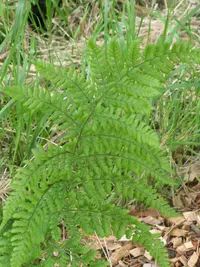
Mulch for cool roots

Apply a 3–5 cm layer of leaf mold or fine bark mulch around but not on top of the crown each year to keep roots cool, conserve soil moisture, and mimic the woodland leaf litter this species prefers.

Protect emerging croziers

In late winter, avoid raking or walking over the crown area and gently remove only loose debris so the tightly coiled emerging fronds (croziers) can unfurl without mechanical damage.

Use natural nurse plants

Plant this fern among low shrubs or taller perennials that cast light shade and break drying winds, which creates a more stable microclimate and reduces stress during summer heat or periods of low rainfall.

Monitor crown health

Inspect the crown and lower frond bases a few times each season for soft, dark, or foul-smelling tissue, trimming out any rot with a clean knife and improving air movement and drainage as part of caring for broad buckler-fern.

Common Pests and Diseases

Scale insects

These insects attach to frond stems and undersides, sucking sap and leaving small, hard, brown or gray bumps, often with sticky honeydew and sooty mold. Symptoms include slowed growth, yellowing pinnae, and a weakened clump.

Solution

Prune out heavily infested fronds and dispose of them. Wipe remaining scale with cotton pads dipped in 70% isopropyl alcohol, then rinse fronds with lukewarm water; for persistent problems on broad buckler-fern indoor care, use a horticultural oil spray labeled for ferns and improve airflow and light levels without exposing the plant to direct sun.

Aphids

These insects cluster on young croziers and soft frond tissue, sucking sap and causing distortion, curling, and sticky honeydew. Ant activity and black sooty mold on the fronds are common secondary signs.

Solution

Wash colonies off with a firm but gentle stream of water, focusing on undersides and growing tips. For recurrent infestations, apply insecticidal soap or a low-concentration horticultural oil, repeating every 5–7 days until no live aphids are seen, and avoid overfertilizing, which encourages soft, attractive growth.

Fern rust

This disease shows as orange to brown pustules or powdery spots on the undersides of fronds, sometimes causing yellowing patches visible from above. Severely affected fronds may dry, die back early, or look patchy and unattractive.

Solution

Cut off and destroy affected fronds as soon as symptoms appear to reduce spore spread. Improve spacing and airflow, avoid wetting the foliage when watering, and if the problem is persistent outdoors, choose resistant cultivars or relocate the plant to a site with better air movement and faster drying after rain.

Leaf spot

Symptoms include small brown, black, or tan spots on fronds that may merge into larger blotches, often with a darker border. In humid, shaded sites, older fronds are most affected and can decline prematurely.

Solution

Remove and discard spotted or badly affected fronds, especially at the end of the growing season. Reduce overhead watering, thin surrounding vegetation for better airflow, and if needed in severe garden cases, apply a fungicide labeled for ornamental ferns according to product directions.

Vine weevils

These insects damage Dryopteris dilatata both as adults and larvae; adults notch the frond edges, while white, legless larvae feed on roots and crowns, leading to wilting and plant collapse. Symptoms include irregular leaf margins, poor vigor, and plants that lift easily due to root loss.

Solution

Hand-pick adult beetles at night using a flashlight and shake them from fronds onto a sheet for disposal. For larval control in pots or contained beds, apply entomopathogenic nematodes (beneficial microscopic worms) to moist soil in spring or late summer, and avoid leaving pots standing in one place for many seasons, which favors buildup of larvae.

Interesting Facts

Distinctive pale scales

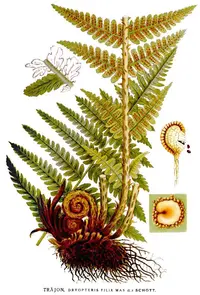
The frond stalks and lower midribs carry two types of scales, including very pale, almost white scales that help distinguish this species from many other wood ferns in the field.

Tripinnate frond structure

Its fronds are typically tripinnate, meaning each leaflet is divided three times, giving the plant a particularly dense, lacy appearance compared with many related ferns.

Preference for base‑rich soils

Although it tolerates a range of conditions, this fern shows a marked preference for moist, humus-rich, slightly base‑rich woodland soils, and is often more abundant where underlying rocks contain some calcium.

Botan icon

Did you know?

In parts of northern and western Europe, this fern is considered an indicator species of long-established, relatively undisturbed woodlands, so its presence can help ecologists identify ancient forest remnants.

FAQs about broad buckler-fern

This species does not produce flowers. It reproduces by spores, which form in small clusters (sori) on the undersides of mature fronds. Lack of blooms is normal and not a sign of poor health.

Grow Healthy Plants with Botan Care

Keep your plants happy and healthy with plant identification, disease detection, and easy care guidance.

Botan plant care app — identify plants on mobile

Explore More Plants