


Contain Spreading Rhizomes
Install a 30–40 cm deep root barrier or grow in a large container sunk into the ground to prevent the aggressive underground rhizomes from invading nearby beds and lawns.

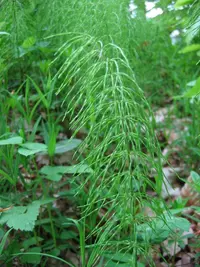
Shady horsetail, Equisetum pratense, is a hardy, rhizomatous fern relative known for its fine, segmented green stems and delicate, feathery side branches. It forms low clumps or loose colonies that give a soft, woodland look.
This species occurs naturally in cool, partially shaded forests and moist meadows across parts of Europe and Asia, often on damp, well-drained soils. Its spreading underground stems can make it persistent once established, which affects how to care for Shady Horsetail in gardens.
It generally prefers consistent moisture, light shade, and soils that do not dry out completely, making it better suited to outdoor, naturalistic plantings than to small, formal beds.

Care Difficulty
Moderate Care

Light Preference
Partial Shade

Water Requirements
Keep Soil Moist

Temperature Preference
Cold Hardy

Hardiness Zone
3–8

Soil Texture
Loamy, Silty, Organic-rich

Soil pH
Acidic (5.5–6.5), Slightly acidic (6.5–7.0)

Soil Drainage
Waterlogged tolerant

Fertilization
Minimal (feed rarely)
Scan your plant to receive care tips personalized for your specific plant
Available on iOS and Android
This woodland horsetail thrives in cool, consistently moist sites with gentle, filtered light.
This species naturally grows in damp, periodically saturated soils and dislikes drying out completely.
This hardy species is adapted to cool, temperate climates with cold winters and mild summers.
This species prefers consistently moist air but usually adapts to typical outdoor humidity.
Equisetum pratense thrives in wet, oxygenated substrates that stay saturated or very moist without becoming stagnant.
This species can be grown in containers if moisture is kept consistently high and spreading rhizomes are contained.
This species is adapted to low-nutrient, moist soils, so fertilizing Shady Horsetail is usually minimal.
Pruning Equisetum pratense focuses on tidiness and controlling spread, not shaping.
This plant is more often managed in the ground, but containers or contained beds need periodic division and resetting.
Propagation of Equisetum pratense is most reliable through division of the spreading rhizomes.
This species is cold hardy in most temperate climates and usually needs little special winter care.

Plant Health Check
Not sure what's wrong with your plant? Check your plant's health inside the app.
This species typically occurs in old, undisturbed deciduous or mixed forests in cool, northern regions and is often used as an indicator of long-term woodland continuity in parts of Europe and northern Asia.
Unlike many other horsetails that thrive in open, wet habitats, Equisetum pratense is adapted to drier, shaded forest floors, forming loose colonies rather than dense, aggressive stands.
Its fertile and sterile shoots look similar and emerge together in spring, which contrasts with several related horsetail species where thick, pale fertile shoots appear earlier and separately.

Fossil and evolutionary evidence shows that the horsetail lineage, including relatives of Equisetum pratense, is one of the oldest groups of vascular plants still living today, with ancestors that formed tree-sized plants in Paleozoic forests over 300 million years ago.
This species is semi-evergreen to deciduous, depending on climate. In cooler regions, stems die back in winter and re-sprout from rhizomes in spring. In mild areas, some green stems may persist through winter but often look sparse.
Keep your plants happy and healthy with plant identification, disease detection, and easy care guidance.

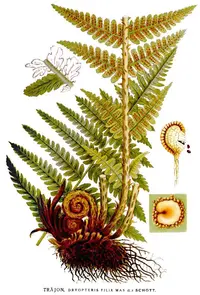
male fern
Dryopteris filix-mas
Black wood fern
Dryopteris cycadina
California polypody
Polypodium californicum
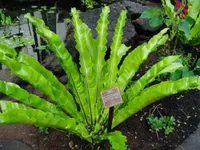 POPULAR
Japanese bird's-nest fern
Asplenium antiquum
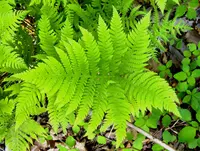
broad beechfern
Phegopteris hexagonoptera
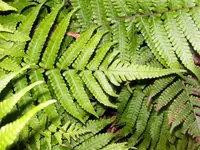
downy maiden fern
Thelypteris dentata
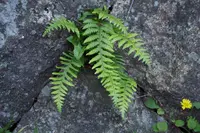
Japanese beech fern
Phegopteris decursive-pinnata
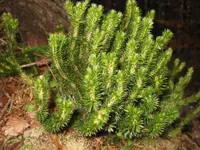
toothed clubmoss
Huperzia serrata