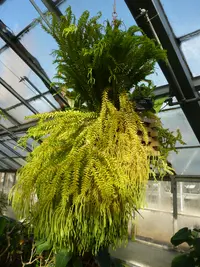
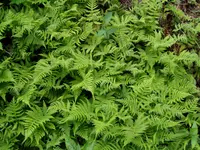
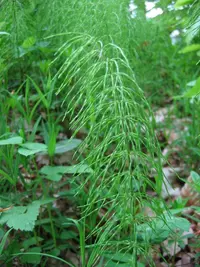
crested woodfern Care (Dryopteris cristata)

Also known as: crested buckler-fern, crested fern, crested shield-fern
crested woodfern

About crested woodfern

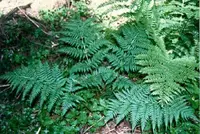
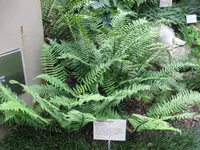
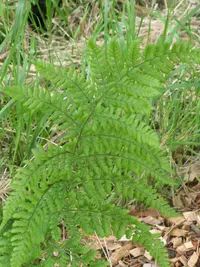
Crested woodfern, Dryopteris cristata, is a hardy, clumping deciduous fern native to cool, moist woodlands and wetlands in North America and northern Europe. It forms upright fronds with distinctive crested tips, giving the plant a textured, architectural look in shaded beds and naturalistic plantings.

This fern prefers consistently moist, humus-rich soil and dappled to full shade, thriving in spots that stay cool and never fully dry out. Once established in suitable conditions, it grows slowly but steadily, making it a dependable choice for gardeners who want to learn how to care for crested woodfern without demanding maintenance routines.

Main Plant Requirements

Care Difficulty

Moderate Care

Light Preference

Partial Shade

Water Requirements

Keep Soil Moist

Temperature Preference

Cold Hardy

Hardiness Zone

3–8

Soil Texture

Loamy, Peaty, Organic-rich

Soil pH

Acidic (5.5–6.5), Slightly acidic (6.5–7.0)

Soil Drainage

Moist but well-drained

Fertilization

Minimal (feed rarely)

Get Personalized Care Plan

Scan your plant to receive care tips personalized for your specific plant

Available on iOS and Android

How to Care for the crested woodfern

This fern favors cool, moist, dappled light conditions rather than direct sun exposure.

  • Provide partial to full shade, with 0–3 hours of gentle morning sun or all-day filtered light under trees or shade cloth.
  • Avoid strong midday and afternoon sun; fronds scorch and dry if exposed to more than 3–4 hours of direct sun, especially in summer.
  • In hotter climates, increase shade in late spring–summer, while in cooler regions crested woodfern can tolerate brighter, open shade without leaf burn.

This species prefers consistently moist but not waterlogged soil throughout the growing season.

  • Water when the top 2–3 cm of soil feels barely dry, aiming for evenly damp soil from spring through early fall.
  • Use rich, humus-based soil that drains well; standing water or sour smell indicates poor drainage and raises the risk of root rot in Dryopteris cristata.
  • Crisping, browning frond tips suggest underwatering, while yellowing, limp fronds and blackened crown tissue often signal chronic overwatering.

This hardy fern tolerates cold climates but grows best in cool to mild temperatures.

  • Active growth is strongest around 55–75°F (13–24°C), with steady moisture and shelter from hot, drying winds.
  • Mature plants tolerate winter lows near 0°F (-18°C) when planted in the ground, especially with mulch protecting the crown and roots.
  • In heat above 85°F (29°C), provide deep shade and extra soil moisture, as prolonged high temperatures can cause frond scorch and slower growth.

This fern prefers consistently moist air but adapts if soil moisture is kept stable.

  • Aim for 50–70% humidity, especially in warm rooms or near heating vents.
  • Dry air causes browning tips, crisping pinnae, and slower frond expansion in crested woodfern.
  • Increase humidity with grouped plants, a pebble tray under the pot, or a room humidifier rather than misting.

This species thrives in deep, moisture-retentive but airy soil that mimics a woodland floor.

  • Use a loose, humus-rich mix such as 2 parts compost or leaf mold, 1 part loam, and 1 part fine bark or perlite for structure.
  • Soil should drain freely yet stay evenly damp, never waterlogged or allowed to dry into hard clumps.
  • Target a slightly acidic to neutral pH around 5.5–7.0 for balanced nutrient availability for Dryopteris cristata.
  • Avoid heavy clay, pure sand, and mixes dominated by peat without structural amendments, which either suffocate roots or dry too rapidly.

This fern can be grown successfully in containers outdoors if moisture and depth are managed carefully.

  • Choose a pot at least 25–30 cm deep so rhizomes and fibrous roots can spread without curling tightly at the base.
  • Select a heavier clay or ceramic pot in windy sites to prevent tall fronds from toppling the container.
  • Elevate the pot slightly on feet or bricks so drainage holes stay clear and excess water escapes quickly after rain or watering.

This native fern usually manages well in fertile garden soil, so feeding is light and targeted.

  • Apply a thin layer of compost around the root zone in early spring to refresh nutrients and organic matter.
  • Use a balanced, slow-release NPK fertilizer at half strength once in late spring if growth appears weak.
  • Avoid fertilizing during winter dormancy; excess nutrients at this time can stress crested woodfern.
  • Always water before and after applying fertilizer to limit root burn and help nutrients move into the soil.

Pruning Dryopteris cristata focuses on hygiene and tidiness rather than shaping.

  • Cut back dead or badly damaged fronds in late winter or very early spring before new growth unfurls.
  • Remove yellowing, diseased, or badly torn fronds during the growing season using clean, sharp pruners or scissors.
  • Thin out a few crowded older fronds at the base to improve air movement and reduce fungal problems.
  • Avoid cutting healthy emerging fronds, as this reduces the plant’s ability to photosynthesize and weakens the clump.

This fern is most often grown in shaded beds, where occasional transplanting maintains vigor and spacing.

  • Plan transplanting for early spring or early fall, when temperatures are mild and soil stays evenly moist.
  • Look for signs such as congested crowns, slow growth, or roots circling in containers to decide when to move clumps.
  • Lift the plant with a wide soil ball, disturbing roots as little as possible and replant at the same depth.
  • Water thoroughly after transplanting, then keep soil consistently moist and shaded to limit transplant shock.

Propagation of Dryopteris cristata is most reliable through division of established clumps.

  • Divide mature plants in early spring or early fall, when weather is cool and soil is moist.
  • Lift the clump and cut it into sections, each with healthy buds and roots, using a clean, sharp knife or spade.
  • Replant divisions promptly at original depth in humus-rich, consistently moist soil with light to full shade.
  • Water well after planting and maintain steady moisture until new fronds expand and growth is steady.

This hardy fern tolerates typical winters in much of its range and usually needs minimal intervention.

  • In cold climates, apply a 5–8 cm layer of leaf mulch around the crown after the ground cools.
  • Allow fronds to die back naturally; old foliage can insulate the crown over winter.
  • For container plants in very cold zones, move pots into a sheltered, unheated but frost-sheltered area.

Care Tips

Spring crown check

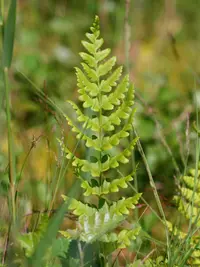
In early spring gently remove winter mulch and leaf litter from around the crown so emerging fronds are not deformed or rotted under compacted debris.

Moisture trenching

On sloped or quick-draining sites, create a shallow, saucer-like depression or a small soil berm around the plant to slow runoff and keep the root zone evenly moist without waterlogging the crown itself.

Dividing old clumps

Every 4–6 years lift and divide congested clumps in early spring, replanting only vigorous outer sections so the fern maintains strong frond production and a tidy outline.

Microclimate shading

In hotter regions plant near taller perennials or low shrubs that cast dappled shade during the afternoon, which helps prevent frond scorch and reduces watering frequency when growing crested woodfern.

Woodland mulch management

Top-dress annually with a thin layer of shredded leaves or fine bark, keeping it a few cm away from the crown, to mimic woodland duff, buffer soil moisture, and suppress weed competition.

Common Pests and Diseases

Fern aphids

These insects cluster on tender fronds and fiddleheads, sucking sap and causing distortion, yellowing, and sticky honeydew on the foliage.

Solution

Prune and discard heavily infested fronds, then wash remaining fronds thoroughly with a strong but gentle stream of water. If populations persist, use insecticidal soap or a neem oil spray, applied to both upper and lower frond surfaces in cool, shaded conditions.

Scale insects

These insects appear as small, fixed bumps on stipes and frond midribs, weakening the plant by removing sap and sometimes leading to yellowing or premature frond drop.

Solution

Physically scrape or wipe off individual scales with a cotton swab dipped in alcohol, then rinse the plant with water. For larger outbreaks, apply horticultural oil during mild weather to smother crawlers, and repeat as needed while monitoring new frond growth.

Rhizoctonia crown rot

This disease causes brown, sunken lesions at the crown and bases of fronds, leading to wilting, collapse, and progressive death of central rosettes, especially in overly wet, warm conditions.

Solution

Remove and discard affected fronds and any obviously rotted crown tissue, then improve drainage and reduce watering so the crown does not stay saturated. In beds with a history of the problem, space plants for better air movement, avoid overhead watering, and consider a fungicide labeled for Rhizoctonia on ferns if cultural changes are not sufficient.

Leaf spot

This disease produces small brown to black spots or irregular blotches on fronds, which may coalesce and cause sections of tissue to die, particularly in dense, humid plantings.

Solution

Cut and discard heavily spotted fronds to reduce spore spread, and water at soil level to keep foliage dry. Increase spacing and airflow; if spots continue to enlarge, use a fern-safe fungicide labeled for leaf spots, applied according to label directions on newly emerging fronds.

Interesting Facts

Specialized wetland fern

This species is strongly associated with cool, calcareous wetlands such as fens, wet meadows, and swampy forest edges, making it an indicator of stable, mineral-rich groundwater conditions in parts of its native range in North America and northern Europe.

Distinctive crested frond tips

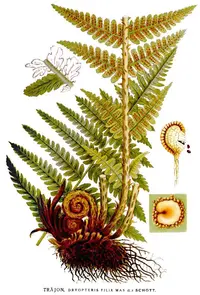
The pinnae and the ends of the fronds often show a flared, many-pointed crest where the rachis branch tips divide repeatedly, giving the plant its common name crested woodfern and helping to distinguish it from other Dryopteris species in the field.

Hybridization with relatives

This fern can form natural hybrids with closely related species in the Dryopteris genus, and some of these hybrids are fertile and recognized as distinct taxa in regional floras, illustrating the complex evolutionary relationships within the woodfern group.

Botan icon

Did you know?

In several regions, especially in parts of the northeastern United States, crested woodfern is considered a species of conservation concern because its specialized wetland habitats have been drained or altered, so botanists often track its populations to monitor the health of rare calcareous fen ecosystems.

FAQs about crested woodfern

This species spreads slowly by short rhizomes and spores, forming tight clumps rather than running colonies. It usually stays well-behaved in garden settings and rarely becomes a nuisance, especially when planted in naturally moist, partially shaded areas.

Grow Healthy Plants with Botan Care

Keep your plants happy and healthy with plant identification, disease detection, and easy care guidance.

Botan plant care app — identify plants on mobile

Explore More Plants