chempedak Care (Artocarpus integer)

Also known as: jack tree
chempedak

About chempedak

Chempedak (Artocarpus integer) is a fast-growing, evergreen tropical fruit tree in the mulberry and jackfruit family. It forms a dense canopy and can reach substantial height in warm climates.

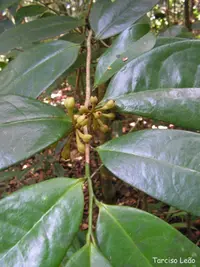
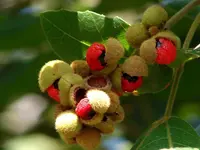
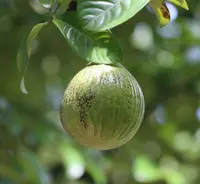
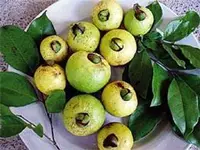
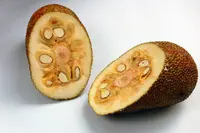
The tree bears large, elongated fruits with a strong aroma, yellow to orange flesh, and many seeds. Leaves are glossy, deep green, and somewhat leathery.

Chempedak is native to Southeast Asia, where it grows in lowland rainforests and cultivated orchards. It prefers consistently warm temperatures, high humidity, and well-drained, fertile soil.

For those learning how to care for chempedak, its main challenges are sensitivity to cold, need for ample light, and requirement for regular moisture without waterlogging.

Main Plant Requirements

Care Difficulty

Moderate Care

Light Preference

Full Sun

Water Requirements

Regular Water

Temperature Preference

Tropical / Frost Sensitive

Hardiness Zone

11–12

Soil Texture

Loamy, Sandy, Organic-rich

Soil pH

Acidic (5.5–6.5), Slightly acidic (6.5–7.0)

Soil Drainage

Moist but well-drained

Fertilization

Minimal (feed rarely)

Get Personalized Care Plan

Scan your plant to receive care tips personalized for your specific plant

Available on iOS and Android

How to Care for the chempedak

This tropical fruit tree thrives in warm, bright conditions with protection from harsh extremes.

  • Provide 6–8 hours of sun daily, ideally with morning sun and light afternoon shade, especially in hot, low-latitude climates where midday sun can scorch young leaves.
  • Chempedak tolerates partial shade (around 4–5 hours of direct sun) but may produce less fruit and grow more slowly under dense shade.
  • In cooler or higher-latitude areas, choose the sunniest, south-facing spot available and avoid locations shaded by buildings or tall trees in winter.

This species prefers consistently moist, well-drained soil without prolonged drying or waterlogging.

  • Water when the top 3–5 cm of soil feels dry, soaking the root zone deeply so moisture penetrates 20–30 cm, then allow excess water to drain away.
  • During hot, dry weather, increase frequency as leaves soften, curl slightly, or droop by late afternoon, but avoid standing water around the trunk to prevent root rot.
  • In cooler or rainy seasons, reduce watering and watch for yellowing leaves or soft, blackened roots as signs of overwatering in Artocarpus integer.

This tropical tree needs consistently warm conditions and does poorly in cool or frost-prone climates.

  • Aim for 77–95°F (25–35°C) during active growth for best vegetative development and fruiting, avoiding prolonged exposure outside this range when possible.
  • The tree is highly frost-sensitive; damage often occurs below 40°F (4°C) and plants may die near 32°F (0°C), so protect from cold winds and low-lying frost pockets.
  • Mature trees tolerate short hot spells up to about 100°F (38°C) if soil moisture is adequate, but young plants need mulch and some shade to prevent heat stress.

This species prefers warm, humid air and reacts poorly to prolonged dry conditions, especially when young chempedak trees are container-grown.

  • Aim for 60–80% relative humidity, using a humidifier or greenhouse-style enclosure if your climate is dry.
  • Leaf edges browning, tip dieback, and slow, tender shoot growth indicate humidity stress rather than underwatering.
  • Increase local humidity by grouping plants, placing pots over pebble trays with water, or sheltering trees from drying winds.

Artocarpus integer prefers deep, well-drained, fertile soil that stays slightly moist but never waterlogged.

  • Use a loamy mix with 40–60% mineral soil and abundant organic matter such as composted bark or well-rotted compost.
  • Ensure rapid drainage by incorporating coarse sand or perlite so water passes through in seconds, not minutes, after watering.
  • Target a slightly acidic to neutral pH of 6.0–7.0, avoiding highly alkaline substrates that can limit nutrient availability.
  • Avoid heavy, compacted clay or areas where water stands after rain; improve aeration with raised beds or mounded planting rows.

This species can be grown in large containers for some years, though it is ultimately a sizeable tree best suited to warm outdoor climates.

  • Choose a wide, heavy container to stabilize the plant against wind and the weight of maturing canopy growth.
  • Use a deep pot that allows a strong taproot and lateral roots to develop without circling tightly near the base.
  • Select thick-walled clay or concrete containers in hot regions to reduce overheating and rapid moisture loss around the root zone.

Artocarpus integer benefits from moderate feeding to support steady canopy and fruit development.

  • Use a balanced granular or slow-release fertilizer (around 8-8-8 to 12-12-12) or well-rotted compost as the main nutrient source.
  • Apply fertilizer every 2–3 months during the warm growing season, focusing on the drip line rather than the trunk base.
  • Reduce feeding to light compost topdressing or skip synthetic fertilizer in cool or dormant periods, especially where chempedak growth slows.
  • Avoid high-strength applications; use about half the label rate on young trees to limit salt stress and soft, weak growth.

Thoughtful pruning keeps Artocarpus integer structurally strong and easier to harvest.

  • Carry out main structural pruning at the end of the dry season or late winter, before vigorous new growth starts.
  • Remove dead, diseased, crossing, or storm-damaged branches first to improve airflow and reduce infection risk.
  • Thin crowded interior shoots to open the canopy, which enhances light penetration and supports better flowering and fruit quality.
  • Use clean, sharp bypass pruners or a pruning saw, making smooth cuts just outside the branch collar to aid healing.

This species is mostly grown in-ground, so management focuses on careful transplanting of young trees.

  • Shift container seedlings when roots circle the pot or growth stalls, usually every 6–12 months in the first years.
  • Schedule field planting or upsizing for warm, stable weather with moist but not waterlogged soil to limit shock.
  • Dig a wide planting hole, loosen outer roots gently, then set the root ball at the same depth as in the original container.
  • Water deeply after planting, apply a 5–8 cm organic mulch ring, and shade the canopy lightly for 1–2 weeks to reduce stress.

Artocarpus integer is most commonly propagated from seed, with vegetative methods used to maintain specific cultivars.

  • Sow fresh, fully ripe seeds in warm conditions around 77–86°F, using a well-drained, slightly rich substrate.
  • Plant seeds 2–3 cm deep, keep moisture even but not saturated, and maintain high humidity until germination.
  • For selected clones, use air-layering on healthy semi-mature branches during warm months to develop roots on the stem.
  • Once roots are well formed, detach the air-layered section, pot into a free-draining mix, and harden in bright, filtered light.

This strictly tropical tree is frost sensitive and needs protection in any climate with cool winters.

  • Keep outdoor plants only in frost-free zones; young trees can be damaged near 32°F and killed by harder freezes.
  • Mulch the root zone with 5–10 cm of organic material to buffer short cool spells and stabilize soil moisture.
  • For container plants, move them indoors or into a heated greenhouse before nights drop below 50°F.
  • Provide bright light, reduced watering, and good air movement indoors to limit stress and root rot during the coolest months.

Care Tips

Early structural training

In the first 2–3 years, select 3–4 well-spaced main branches 50–80 cm above the ground and remove competing shoots to build a strong open framework that can later support heavy fruit.

Fruit load management

Thin young fruits so that only 1–2 fruits develop per main branch junction, which reduces branch breakage and improves fruit size and quality.

Proactive trunk support

Before the tree bears heavily, install a sturdy stake or low prop under main fruiting branches that lean or show minor cracks, and pad the contact points with rubber or cloth to prevent bark damage.

Root zone mulching

Maintain a 5–8 cm layer of coarse organic mulch in a 1.5–2 m radius around the trunk, keeping it 10–15 cm away from the bark, to stabilize soil moisture and temperature for more reliable growth and fruiting when growing chempedak.

Wind and storm protection

In windy or storm-prone areas, use temporary windbreak netting or plant the tree behind a permanent hedge or fence to reduce branch tearing and fruit drop during extreme weather.

Common Pests and Diseases

fruit borer

This pest is the larval stage of moths that tunnel into young chempedak fruits, feeding on the pulp and causing premature fruit drop and internal rotting.

Solution

Remove and destroy infested fruits as soon as boring holes and frass are seen, and keep fallen fruit and debris off the ground. For larger plantings, use light traps and pheromone traps to monitor adult moths, and apply a targeted Bacillus thuringiensis (Bt) spray to young fruits in the evening when larvae are small and exposed.

mealybugs

These insects cluster on young shoots, leaf undersides, and fruit stalks, sucking sap and excreting honeydew that promotes sooty mold growth.

Solution

Prune and discard heavily infested twigs, then wash colonies off with a firm stream of water or a cloth dipped in mild soapy water, avoiding runoff into the soil. For persistent infestations, apply a horticultural oil or insecticidal soap thoroughly to stems and leaf undersides, repeating every 7–10 days until populations decline.

pink disease

This disease, caused by the fungus Erythricium salmonicolor, leads to dieback of branches, cracked bark, and characteristic pink to white fungal crusts on infected twigs and stems.

Solution

Prune out affected branches at least 20–30 cm below visible symptoms and destroy the prunings, then disinfect cutting tools between cuts. Improve airflow by thinning dense canopy, avoid overhead irrigation that keeps bark wet, and apply a registered copper-based fungicide to remaining limbs during dry weather as a protective measure.

Phytophthora fruit rot

This disease affects developing and mature fruits, causing brown, water-soaked lesions that enlarge rapidly, often during periods of high humidity and frequent rain.

Solution

Collect and destroy all rotting fruits from the tree and ground to reduce pathogen spread, and avoid fruit contact with wet soil by maintaining mulched but well-drained areas under the canopy. In humid, disease-prone regions, growers managing or learning how to take care of chempedak often use copper or phosphonate fungicides as preventive sprays on flowers and young fruits during wet seasons, combined with good drainage and reduced overhead watering.

scale insects

These pests attach firmly to bark, leaves, and fruit stalks as small bumps, removing sap and weakening the tree, while their honeydew supports sooty mold on leaves and fruit surfaces.

Solution

Gently scrape or prune out heavily encrusted twigs, then wash affected areas with water and a soft brush where practical. Apply horticultural oil thoroughly to trunks, branches, and leaf undersides during mild weather to suffocate scales, repeating at label-directed intervals and encouraging natural predators by minimizing broad-spectrum insecticides nearby.

Interesting Facts

Distinctive latex-rich wood

Chempedak’s wood and stems contain abundant white latex, similar to jackfruit, and this sticky sap has traditionally been used as an adhesive and for birdlime in parts of Southeast Asia.

Complex wild hybridization

Chempedak hybridizes naturally with jackfruit (Artocarpus heterophyllus), and these spontaneous hybrids show intermediate fruit traits that make identification in mixed orchards and village forests more difficult for botanists.

Heat-tolerant lowland species

Chempedak is naturally adapted to hot, humid lowland tropical climates and is most commonly found cultivated below about 1,200 m in Southeast Asia, where it thrives in consistently warm conditions.

Botan icon

Did you know?

In traditional agroforestry systems of Southeast Asia, chempedak trees are often integrated into multi-species home gardens, where their dense canopy, long fruiting season, and value as a food and timber source make them a cornerstone species supporting both household nutrition and small-scale economies.

FAQs about chempedak

Growth is moderate to fast in warm, humid climates. Young trees can add 0.5–1.5 m per year under ideal conditions, slowing as they mature. Cool temperatures, drought, poor soil fertility, or root restriction reduce growth rate.

Grow Healthy Plants with Botan Care

Keep your plants happy and healthy with plant identification, disease detection, and easy care guidance.

Botan plant care app — identify plants on mobile

Explore More Plants