coastal woodfern Care (Dryopteris arguta)

coastal woodfern

About coastal woodfern

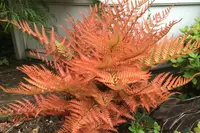
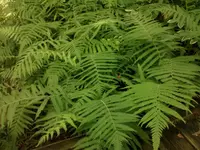
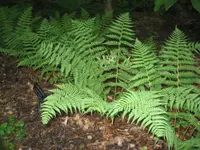
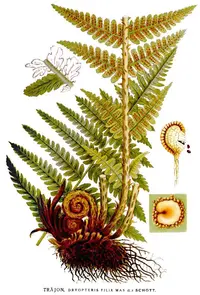
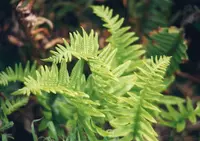
Coastal woodfern, Dryopteris arguta, is an evergreen fern native to western North America, especially coastal woodlands and shaded slopes. It forms dense clumps of upright, finely divided fronds with a slightly leathery texture. The foliage usually stays attractive year-round in mild climates, giving steady structure in shade gardens. This species adapts well to moist, humus-rich soils and prefers consistent shade to dappled light, which makes it suitable for understory plantings. Once established, it is fairly tolerant of dry summer conditions, so many gardeners find it straightforward to care for coastal woodfern.

Main Plant Requirements

Care Difficulty

Easy Care

Light Preference

Partial Shade

Water Requirements

Keep Soil Moist

Temperature Preference

Cold Hardy

Hardiness Zone

7–10

Soil Texture

Loamy, Sandy, Organic-rich

Soil pH

Acidic (5.5–6.5), Slightly acidic (6.5–7.0)

Soil Drainage

Moist but well-drained

Fertilization

Minimal (feed rarely)

Get Personalized Care Plan

Scan your plant to receive care tips personalized for your specific plant

Available on iOS and Android

How to Care for the coastal woodfern

This fern prefers cool, bright conditions with protection from harsh sun.

  • Provide dappled or filtered light under trees or on the north/east side of buildings, with 2–4 hours of gentle morning sun if possible.
  • Coastal woodfern tolerates full shade but frond density and vigor improve with bright, indirect light rather than deep, continuous shade.
  • Avoid hot afternoon sun; fronds scorch and crisp at edges, especially in summer, so increase shade or move farther from reflective walls or paving.

This fern thrives in consistently moist, never waterlogged soil.

  • Irrigate when the top 2–3 cm of soil feels barely moist rather than dry, focusing on the root zone instead of wetting fronds.
  • Use rich, well-drained soil with organic matter so water drains within 1–2 minutes yet stays evenly moist between waterings.
  • In summer dry spells, increase frequency and watch for limp, curling fronds as a sign of underwatering; yellowing, blackened bases indicate possible overwatering of Dryopteris arguta.

This species is a cool- to mild-climate fern with good cold tolerance.

  • Optimal growth occurs around 55–75°F (13–24°C), typical of coastal or woodland conditions with moderate humidity.
  • Established plants usually tolerate brief drops to about 15–20°F (-9 to -6°C), dying back if heavily frozen but often resprouting from the crown in spring.
  • In hot weather above 85°F (29°C), provide extra shade and mulch to keep roots cool, since prolonged heat and drying winds can cause frond browning and stress.

This fern prefers moderately moist air but adapts to typical home or shaded garden conditions.

  • Aim for 50–70% humidity, especially in warm, dry weather or near heat sources.
  • Brown, crisp pinnae edges and slow unfurling fronds indicate humidity stress in coastal woodfern.
  • Increase humidity by grouping pots, placing trays with water and pebbles nearby, or misting fronds lightly in the morning.

This species prefers loose, humus-rich soil that stays evenly moist yet drains freely.

  • Use a mix of roughly 50% compost or leaf mold, 30–40% loam, and 10–20% coarse material such as pine bark fines or perlite.
  • Target a slightly acidic to neutral pH around 6.0–7.0, which supports nutrient uptake and root health in Dryopteris arguta.
  • Ensure drainage is steady but not rapid so the upper layer dries slightly between waterings while the lower root zone stays moist.
  • Avoid heavy clay, compacted ground, or sandy soil without organic matter, which either waterlog roots or dry out too fast.

This fern grows reliably in outdoor containers when moisture and stability are managed carefully.

  • Choose a pot wider than it is deep so the shallow, fibrous root system can spread evenly and anchor the crown.
  • Select a heavier material such as ceramic or clay to keep the container stable against wind and the fern’s arching fronds.
  • Raise the pot on feet or bricks so drainage holes stay clear and excess water escapes quickly after rain or watering.

Dryopteris arguta needs only light feeding in most garden soils.

  • Apply a thin layer of compost or leaf mold around the root zone in early spring to support new frond growth.
  • In poorer soils, use a balanced slow-release fertilizer (around 10-10-10) at half strength once in spring.
  • Avoid fertilizing during summer heat or winter dormancy, as coastal woodfern prefers steady, moderate nutrition.
  • Keep fertilizer off fronds and crowns to prevent burn or rot, and water gently after application.

Pruning Dryopteris arguta focuses on cleaning and refreshing the clump rather than reshaping it.

  • Cut off dead, yellowing, or damaged fronds at the base in late winter or very early spring before new growth emerges.
  • Remove crowded or overlapping fronds selectively to improve air flow and reduce fungal problems while keeping a natural outline.
  • Use clean, sharp hand pruners or scissors, disinfected between plants, to limit disease spread.
  • Avoid cutting the central crown; only remove old fronds so the plant maintains a full, arching habit.

This fern is usually grown in the ground, so transplanting is more common than repotting.

  • Transplant or divide clumps in early spring or early fall when temperatures are mild and soil is evenly moist.
  • Move plants when growth slows, the center of the clump becomes bare, or roots circle a container drain hole.
  • Plan on transplanting container-grown plants every 3–4 years into a wider pot or shaded bed with rich, well-drained soil.
  • Reduce root stress by watering deeply the day before, keeping the root ball intact, replanting at the same depth, and shading afterward.

Dryopteris arguta is most commonly propagated by division rather than from spores.

  • Divide mature clumps in early spring or early fall when active growth is slower and conditions are cool and moist.
  • Lift the plant carefully, then separate the crown into several sections, each with healthy fronds and a good root portion.
  • Replant divisions promptly into humus-rich, well-drained soil, keeping crowns at the same level as before.
  • Maintain high humidity and consistent moisture, but not waterlogging, until new fronds appear and growth stabilizes.

This fern is generally cold hardy in much of its range and needs only modest winter care.

  • Tolerates light to moderate frost once established, though young plants benefit from extra shelter.
  • Apply a 5–8 cm layer of leaf mold or bark mulch around the root zone in late fall, keeping mulch off the crown.
  • In colder areas or exposed sites, leave old fronds as a natural insulation layer until late winter cleanup.
  • Move container plants to a sheltered, frost-free but cool spot and keep soil just barely moist through winter.

Care Tips

Mulch for Cool Roots

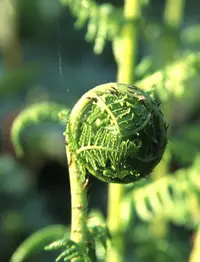
Apply a 3–5 cm layer of fine bark or leaf mold around the crown, keeping it 2–3 cm away from the frond bases, to keep roots cool, conserve moisture, and suppress weeds without smothering new croziers (unfurling fronds).

Divide at Frond Emergence

Lift and divide congested clumps in early spring as new croziers just start to appear, replanting firm, healthy segments at the same depth and watering them in well to maintain vigor and produce denser, fresher foliage fans.

Use Dappled Companions

Plant alongside taller, open-canopy shrubs or trees that cast shifting shade, which helps prevent frond scorch and wind damage while creating a more stable, fern-friendly microclimate.

Shield From Wind

In exposed sites, place low windbreaks such as lattice, low shrub hedging, or a shade cloth panel on the prevailing-wind side to reduce frond tearing and desiccation, especially in the first 1–2 years after planting.

Seasonal Frond Grooming

In late winter, remove only the oldest, lowest fronds at the base and leave the firm, mid-canopy fronds intact, which keeps the crown open for new growth while preserving enough foliage to protect tender croziers when growing coastal woodfern.

Common Pests and Diseases

Soft scale

This pest feeds on frond tissue and stem surfaces, causing yellowing, sticky residue, and sooty mold growth on coastal woodfern fronds. Infestations are often found along the midribs and on the underside of older pinnae.

Solution

Physically remove scales by gently rubbing affected fronds with a soft cloth or sponge dipped in diluted insecticidal soap, then rinse with water. Improve air movement and avoid excess nitrogen fertilizer, and repeat treatments every 7–10 days until new growth emerges clean.

Fern aphids

These insects cluster on tender fiddleheads and young fronds, sucking sap and causing distortion, puckering, and reduced vigor. Honeydew excreted by aphids can attract ants and lead to sooty mold on the foliage.

Solution

Spray the foliage thoroughly with a strong but gentle stream of water to dislodge aphids, focusing on the undersides of fronds and new growth. Follow with an application of insecticidal soap or a ready-to-use neem oil product in the cool part of the day, repeating weekly until populations decline.

Fern rust

This disease produces small, orange to brown pustules on the undersides of fronds, which can lead to premature yellowing and drop of affected pinnae. Symptoms include patchy discolored areas that follow the pattern of leaf veins.

Solution

Remove and dispose of heavily infected fronds to reduce spore spread, and avoid overhead watering that keeps foliage wet for long periods. Provide good spacing and airflow, and if rust persists, use a labeled fungicidal spray for ferns, applying according to instructions during the active growing season.

Leaf spot

This disease causes dark, water-soaked or tan lesions on fronds that may coalesce into larger dead patches, especially in dense, humid plantings. Symptoms include irregular spots with darker borders along the leaf segments.

Solution

Prune and discard spotted fronds, then adjust irrigation to keep water at the soil level rather than on the foliage. Increase ventilation, thin overcrowded clumps if needed, and apply a copper-based or other fern-safe fungicide only if new lesions continue to appear.

Snails and slugs

These pests chew irregular holes and notches along frond edges, especially on young, tender growth in cool, moist sites. Symptoms include ragged margins and slime trails on or around the plant.

Solution

Hand-pick snails and slugs in the evening or early morning and reduce hiding places such as dense mulch or debris near the crown. Use iron phosphate bait around but not touching the crown, and, for Dryopteris arguta plant care in shaded beds, maintain slightly drier surface mulch to make conditions less favorable for these pests.

Interesting Facts

California coastal specialist

This fern is native to the Pacific coast of North America, occurring mainly from Oregon through California into Baja California, and is especially frequent in coastal forests, canyon bottoms, and shaded chaparral edges.

Evergreen in mild climates

Unlike many temperate ferns that die back in winter, it usually remains evergreen in its native range, keeping functional fronds year-round in frost-free or only lightly frosted conditions.

Toothed frond margins

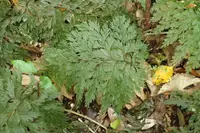
Its common name, coastal woodfern, reflects the sharply toothed or jagged edges of its pinnae, which give the fronds a distinctly bristly, textured appearance compared with many smoother-margined woodland ferns.

Botan icon

Did you know?

This species shows notable tolerance of seasonal summer drought compared with many woodland ferns, surviving dry periods in its native California habitats by slowing growth and relying on shaded, humus-rich soil rather than continuous moisture.

FAQs about coastal woodfern

This species is evergreen in mild climates, keeping fronds year-round, though older fronds may look worn by late winter. In colder areas, foliage can partially die back, then new fronds emerge from the crown in spring.

Grow Healthy Plants with Botan Care

Keep your plants happy and healthy with plant identification, disease detection, and easy care guidance.

Botan plant care app — identify plants on mobile

Explore More Plants