drooping filmy fern Care (Hymenophyllum demissum)

Alex Yar, Botan author
Reviewed byAlex Yar
Plant Expert

About drooping filmy fern

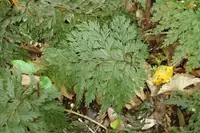
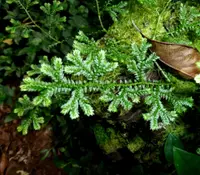
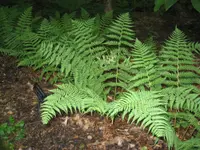
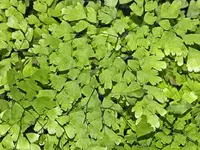
Drooping filmy fern, Hymenophyllum demissum, is a delicate evergreen fern with very thin, translucent fronds that often look almost like green lace. It typically forms soft, trailing or cascading mats on rocks, tree trunks, and banks in cool, damp forests.

This species is native to temperate rainforest regions of New Zealand and nearby islands, where humidity is high and air movement is gentle. Its paper-thin fronds dry out quickly, so it is considered challenging indoors and suits growers who can provide stable moisture.

To care for drooping filmy fern, it usually needs low to moderate light, constant humidity, and a loose, mossy or bark-rich substrate rather than regular potting soil.

Main Plant Requirements

Care Difficulty

Hard Care

Light Preference

Shade

Water Requirements

Keep Soil Moist

Temperature Preference

Cool Climate

Hardiness Zone

9–11

Soil Texture

Peaty, Organic-rich, Loamy

Soil pH

Strongly acidic (4.5–5.5), Acidic (5.5–6.5)

Soil Drainage

Moist but well-drained

Fertilization

Minimal (feed rarely)

Get Personalized Care Plan

Scan your plant to receive care tips personalized for your specific plant

Available on iOS and Android

How to Care for the drooping filmy fern

This fern is adapted to low, very humid forest light and must be protected from direct sun.

  • Provide bright to medium shade with 0–2 hours of weak early-morning sun only, or fully filtered light under trees or 50–70% shade cloth.
  • Avoid direct midday or afternoon sun, which quickly scorches the thin fronds of drooping filmy fern and dries the substrate.
  • In summer, increase shade or move deeper into woodland; in winter, allow slightly brighter filtered light if natural canopy cover is reduced.

This fern needs constantly moist conditions and does not tolerate drying out.

  • Keep the substrate evenly moist so the surface never fully dries; in loose soil, rewater as soon as the top 0.5–1 cm feels just barely dry.
  • Use soft, low-lime water and ensure fine-textured, humus-rich soil that stays damp but not waterlogged, with slow but steady drainage.
  • Watch fronds: crisp, curling edges signal underwatering, while blackened bases or sour odor suggest overwatering and poor aeration.

This species prefers cool, humid, frost-free conditions with only narrow temperature swings.

  • Aim for 50–68°F (10–20°C) for steady growth; short periods up to 72°F (22°C) are tolerated if humidity stays very high.
  • Protect Hymenophyllum demissum from frost; growth is stressed below 41°F (5°C) and tissue damage can occur near 32°F (0°C).
  • During hot spells above 72°F (22°C), move plants to the coolest, shadiest, most humid site available and avoid warm, drying winds.

This fern needs very high, constant humidity to keep its fronds hydrated and intact.

  • Aim for 80–95% humidity; it declines quickly in typical 30–50% indoor air.
  • Crisping, curling, or transparent frond edges indicate humidity stress rather than underwatering.
  • Use fully enclosed terrariums, covered cases, or foggers to maintain the moist air drooping filmy fern requires.

This species prefers a loose, moisture-retentive but airy medium that mimics wet rock crevices or mossy logs.

  • Use a fine-textured mix of 50–70% sphagnum moss with the rest orchid bark, perlite, and a small amount of compost.
  • Ensure the mix drains freely yet never dries out completely; it should feel springy and well aerated, not compacted.
  • Keep pH slightly acidic, around 5.0–6.0, by avoiding lime and using peat or long-fiber sphagnum as the base.
  • Avoid dense potting soil, heavy loam, or mixes with lots of sand that either stay waterlogged or dry hard between waterings.

This fern can be grown in containers, but it performs best in shallow, enclosed or semi-enclosed setups that stabilize moisture.

  • Choose wide, shallow pots or terrarium dishes so the thin roots can spread close to the surface without deep, wet zones.
  • Use plastic or glazed containers rather than unglazed clay to slow evaporation and maintain the constantly moist conditions it prefers.
  • Position containers inside a closed case or on a deep tray with moist pebbles to buffer against rapid humidity and moisture swings around the root zone.

This fern is sensitive to excess nutrients, so use very light feeding only when growth is active.

  • During spring–summer, apply a balanced liquid NPK fertilizer at 1/4 strength every 4–6 weeks to Hymenophyllum demissum.
  • Choose a gentle formulation labeled for ferns, or use very dilute organic extract rather than heavy compost or pellets.
  • Water with plain, soft water between feedings to prevent salt buildup in the fine roots.
  • Stop feeding in autumn–winter when growth slows, as drooping filmy fern prefers lean conditions then.

Pruning Hymenophyllum demissum focuses on hygiene rather than reshaping the plant.

  • Inspect fronds in spring and mid-summer, when new growth is easiest to see and damage is clear.
  • Snip dead, yellowing, or torn fronds at the base using fine, disinfected scissors to limit disease spread.
  • Thin only obviously crowded or overlapping fronds to improve air movement without exposing the rhizome.
  • Avoid heavy cutting; light removal maintains the natural, cascading habit and does not stress the delicate tissue.

Handling this species is best kept minimal, as its roots and fronds are very delicate.

  • Consider moving it only when roots circle the pot, growth slows, or the substrate has broken down and stays soggy.
  • Plan repotting or transplanting in early spring, before strong new frond growth starts, about every 2–3 years at most.
  • Use a shallow container and loose, moisture-retentive but well-drained mix, keeping the rhizome at the same depth.
  • Reduce root stress by pre-moistening the new medium, gently teasing roots, and shading the plant for several days afterward.

Propagation of Hymenophyllum demissum is possible but better suited to patient growers with stable, humid conditions.

  • Division is the most practical method; carry it out in early spring when new growth initiates.
  • Lift the plant carefully and divide small rhizome sections, each with several healthy fronds attached.
  • Replant divisions into a fine, moisture-retentive mix, keeping humidity high (70–90%) and light very soft.
  • Spore propagation requires sterile conditions, constant warmth, and is usually reserved for specialist setups.

This fern dislikes frost and benefits from careful winter management, especially in containers or exposed sites.

  • In regions below about 40°F, grow it in containers so plants can be moved indoors for winter.
  • Keep indoor temperatures cool but frost-free, ideally 50–60°F, with high humidity and no cold drafts.
  • Outdoors in mild climates, place plants in sheltered, evergreen shade and mulch lightly around the root zone without burying the rhizome.

Care Tips

Use Live Moss

Line the pot surface and exposed rhizomes with a thin layer of living sphagnum or sheet moss to help retain constant moisture around the roots without waterlogging the mix.


Mounting On Slabs

Attach the plant to a piece of cork bark or hardwood with soft ties and a thin pad of fine, moisture-retentive substrate to mimic its natural epiphytic habit and improve air movement around the fronds.

Create Humid Microclimate

Place the fern in a covered glass terrarium or high-sided glass vessel with a narrow opening to stabilize humidity and air movement instead of trying to humidify a whole room.

Gentle Air Management

Position the plant where it receives very light, indirect air circulation from a nearby fan or vent baffle so fronds dry slowly after misting and are not damaged by direct drafts.

Minimal Handling Routine

Plan inspection and maintenance in short, infrequent sessions and avoid touching the fronds, as their thin tissue bruises easily and repeated handling can reduce vigor when growing drooping filmy fern.

Common Pests and Diseases

Fern scale

This pest appears as tiny, flat, brown or off‑white bumps on the finest stems and undersides of fronds, causing gradual yellowing and decline. This pest targets the delicate rachis and can be hard to notice on filmy, translucent tissue.

Solution

Isolate the plant, then gently wipe or dab affected areas with cotton swabs dipped in dilute alcohol (test first on a small area) or insecticidal soap, taking care not to tear the fronds. Improve humidity and gentle air movement, and repeat treatments weekly until no new scale appears; heavily infested fronds are best removed and discarded.

Aphids

These insects cluster on the soft growing tips and young fronds, sucking sap and causing distortion, pale patches, and sticky honeydew on surrounding surfaces. Symptoms include curling new fronds and a general reduction in vigor.

Solution

Rinse the plant under a gentle, lukewarm shower to physically remove colonies, shielding the root zone from excess water. Follow with a light application of insecticidal soap or a low‑impact horticultural oil labeled for ferns, repeating every 5–7 days until no aphids remain, and avoid high nitrogen fertilization that encourages soft, aphid‑prone growth.

Rhizoctonia leaf blight

This disease causes irregular, water‑soaked or brown patches starting at frond bases or where fronds stay wet against the pot edge or substrate. Symptoms include rapid collapse of the ultra‑thin leaf tissue under persistently wet, stagnant conditions.

Solution

Remove and discard all affected fronds and reduce overhead misting that keeps foliage constantly wet, focusing on raising ambient humidity instead. Increase airflow, avoid crowding, and if spread continues, apply a fern‑safe fungicide containing copper or a labeled systemic product, following directions carefully and adjusting watering so the substrate is evenly moist but never soggy.

Botrytis gray mold

This disease appears as soft, brown, water‑soaked areas on fronds that quickly develop a fuzzy gray mold, especially in cool, still, very humid environments. Symptoms include decaying fronds at the center of the clump where air movement is poorest.

Solution

Cut off and discard all infected tissue and any dead frond bases, then improve air circulation while keeping humidity high via room humidifiers rather than constant leaf wetting. Space plants apart, ventilate the growing area, and in persistent cases use a gentle, fern‑safe fungicide, while avoiding temperature swings and condensation on fronds that favor Botrytis spread.

Desiccation stress

This problem is not caused by insects or fungi but by prolonged low humidity and drying substrate, which quickly leads to crisped frond edges, transparent patches, and eventual collapse of entire fronds. Symptoms include fronds sticking together and losing their flexible, filmy texture, which is a core issue in Hymenophyllum demissum care.

Solution

Stabilize conditions by keeping humidity at 80–95%, using enclosed cases or terrariums, and maintain consistently moist (but not waterlogged) substrate with very fine particles. Avoid direct airflow from heaters or fans onto the plant, use only soft, low‑mineral water, and prune away fully dead fronds so remaining tissue can recover under more suitable, stable moisture levels.

Interesting Facts

New Zealand forest specialist

This filmy fern is naturally restricted to New Zealand and its outlying islands, where it grows in cool, extremely humid forests, often on shaded banks, rotting logs, and mossy rock faces.

Almost translucent fronds

The fronds are only one cell layer thick over most of their surface, which makes them almost see-through and highly efficient at absorbing moisture directly from fog and dripping water.

Moisture-sensitive distribution

Populations are strongly associated with cloud forests and high-rainfall areas, and the species disappears quickly when canopy cover is reduced or local humidity drops for extended periods.

Botan icon

Did you know?

The fronds of this species can desiccate and shrivel during short dry spells but revive and become functional again once moisture and high humidity return, an adaptation that allows it to survive brief periods of water stress in its native forests.

FAQs about drooping filmy fern

This species can work indoors, but only in very stable, humid conditions, such as a terrarium, bathroom, or shaded greenhouse. It dislikes dry air, drafts, and temperature swings, so typical living rooms are often too harsh.

Grow Healthy Plants with Botan Care

Keep your plants happy and healthy with plant identification, disease detection, and easy care guidance.

Botan plant care app — identify plants on mobile

Explore More Plants