Crown Fern Care (Blechnum discolor)

Crown Fern

About Crown Fern

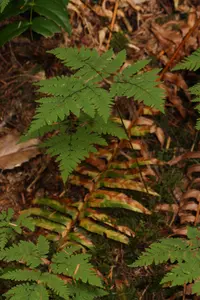
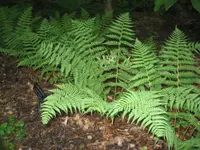
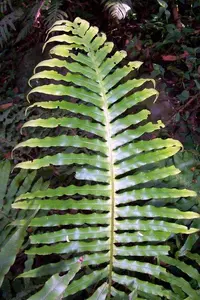
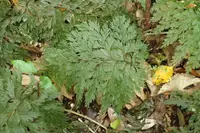
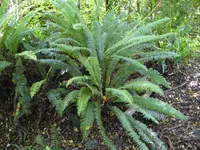
Crown fern (Blechnum discolor) is an evergreen ground fern native to moist forests of New Zealand. It forms dense rosettes of stiff, arching fronds that create a layered, fountain-like shape. Young fronds often emerge with a bronze or reddish tint, then mature to a deep green, giving the plant subtle seasonal interest. This fern has a naturally tidy habit and can slowly form colonies where conditions suit it. It prefers cool, shaded, consistently moist sites with humus-rich, well-drained soil. With stable moisture and protection from hot, dry air, it is considered moderately easy to care for Crown Fern.

Main Plant Requirements

Care Difficulty

Moderate Care

Light Preference

Partial Shade

Water Requirements

Keep Soil Moist

Temperature Preference

Cool Climate

Hardiness Zone

8–10

Soil Texture

Loamy, Peaty, Organic-rich

Soil pH

Strongly acidic (4.5–5.5), Acidic (5.5–6.5)

Soil Drainage

Moist but well-drained

Fertilization

Minimal (feed rarely)

Get Personalized Care Plan

Scan your plant to receive care tips personalized for your specific plant

Available on iOS and Android

How to Care for the Crown Fern

This fern prefers cool, shaded forest-like light conditions with protection from strong sun.

  • Provide bright shade or dappled light, such as under trees or on the east side of buildings, with at most 1–2 hours of mild morning sun.
  • Avoid direct midday or afternoon sun, which can scorch Crown Fern fronds, causing bleaching, crisp brown edges, and slowed growth.
  • In summer, increase shade or filtered light; in winter, allow slightly more open sky exposure if possible, while still avoiding harsh direct rays.

This species prefers consistently moist, cool soil without becoming waterlogged.

  • Water when the top 2–3 cm of soil feel just barely dry, aiming to keep the root zone evenly damp rather than wet or bone dry.
  • Use rich, humus-heavy soil with good drainage; pooling water, sour smell, or black, mushy roots indicate overwatering and poor aeration.
  • Crisp tips and drooping, pale fronds suggest underwatering; in hot or windy periods check moisture more often, but reduce watering slightly in cool, wet seasons.

This fern thrives in mild, cool-temperate conditions and dislikes extremes of heat or frost.

  • Aim for 50–70°F (10–21°C) for steady growth, with sheltered, humid sites performing best in gardens or shaded landscapes.
  • Tolerates brief dips to about 25°F (-4°C) if mulched, but repeated hard frosts or freezing winds damage fronds and may kill young plants.
  • In hot spells above 80°F (27°C), protect from hot sun, increase shade and moisture, and avoid planting near heat-reflective walls or paving.

This fern prefers cool, moist air and reacts quickly to dry indoor conditions.

  • Aim for 60–80% humidity, as Crown Fern naturally grows in damp forest habitats and dislikes prolonged dry air.
  • Crisping frond tips, pale new growth, and stalled fronds indicate humidity stress rather than underwatering.
  • Use a pebble tray, group plants, or run a small humidifier near the plant to keep humidity stable around the foliage.

This species needs consistently moist, humus-rich soil that drains freely yet never dries out hard.

  • Use a loose, fibrous mix of 50% peat or coco coir, 30% fine bark, and 20% perlite to mimic a woodland floor texture.
  • Aim for slightly acidic to neutral pH around 5.5–6.5, which matches typical habitat for Blechnum discolor and supports nutrient uptake.
  • Ensure water drains within a few seconds from the pot or bed; add extra perlite or fine bark if water lingers or soil feels heavy.
  • Avoid compacted clay, pure sand, or mixes with a high proportion of fine silt, which either suffocate roots or dry too rapidly.

This fern adapts well to container growing when moisture and root space are managed carefully.

  • Choose a deep, stable pot that allows the creeping rhizome to expand without crowding against hard sides.
  • Select thicker-walled ceramic or terracotta containers outdoors to buffer temperature swings that can stress shallow roots.
  • Raise the pot slightly on feet or bricks so drainage holes clear quickly after rain or watering, preventing saucer waterlogging.

Blechnum discolor benefits from light, steady nutrition rather than heavy feeding.

  • Use a balanced liquid fertilizer (around 10-10-10) at 1/4–1/2 strength every 4–6 weeks during spring and summer.
  • Alternatively, top-dress with a thin layer of compost in early spring for gentle, slow-release nutrients.
  • Stop feeding in fall and winter when growth slows and the Crown Fern rests.
  • Always water before applying fertilizer to avoid burning fine roots.

Pruning Blechnum discolor focuses on hygiene and maintaining a tidy rosette shape.

  • Best time is late winter to early spring, before strong new growth starts.
  • Remove dead, yellowing, or diseased fronds at the base using clean, sharp scissors or pruners.
  • Thin out badly crowded inner fronds to improve air flow and reduce fungal issues.
  • Avoid cutting healthy central fronds, which maintain the plant’s natural vase-like form.

Blechnum discolor is often grown in the ground but can be shifted carefully when root-bound in containers.

  • Look for roots circling the pot, water running straight through, or slowed growth as signs it needs more space.
  • Plan transplanting or repotting for early spring, every 2–3 years for container plants.
  • Choose a slightly larger pot with moisture-retentive, well-drained mix, or a shaded, humus-rich garden site.
  • Handle the root ball gently, loosen only the outer roots, water thoroughly, and keep shaded to reduce stress.

Blechnum discolor is most practically propagated by careful division rather than from spores for home growers.

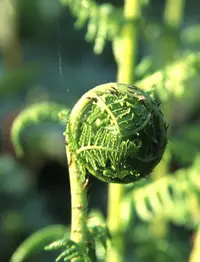
  • Divide established clumps in early spring when new croziers are just emerging.
  • Lift the plant, then separate small sections with several healthy fronds and firm roots.
  • Replant divisions at the same depth in moist, humus-rich, shaded soil or a similar potting mix.
  • Keep evenly moist and sheltered from strong sun and wind until new growth confirms establishment.

Blechnum discolor is moderately cold hardy but benefits from simple winter protection in colder regions.

  • In mild climates, it usually overwinters outdoors with minimal intervention once well established.
  • Apply 5–8 cm of leaf mold or bark mulch around the crown to insulate roots, keeping mulch off frond bases.
  • In colder areas or containers, move pots to a sheltered, frost-free spot and maintain slightly moist soil.

Care Tips

Cool root zone

Mulch lightly with fine bark or leaf mold around, but not against, the crown to keep the root zone cool and moist, which closely mimics this fern’s natural forest floor habitat.

Staggered division

If clumps become crowded, divide only a portion of the plant every 3–4 years rather than all at once, so one section continues growing strongly while the new divisions establish.

Frond protection

In areas with drying winds or brief cold snaps, install a low windbreak (shade cloth, lattice, or shrub cover) to reduce frond scorch and mechanical damage during the harsher months.

Rot prevention spacing

Plant or pot this fern with enough lateral space between crowns and neighboring plants to allow good air movement at soil level, which reduces the risk of crown and rhizome rot.

Site marking

Mark the planting spot with a discreet stake or tag before fronds die back or are cut, so any future digging, repotting, or soil work does not disturb the semi-hidden crown when caring for Crown Fern.

Common Pests and Diseases

Scale insects

These insects attach firmly to fronds and stipes, appearing as small brown or grey bumps that cause yellowing, speckling, and a general loss of vigor. This pest often builds up on sheltered, older parts of the crown where air movement is low.

Solution

Remove heavily infested fronds and wipe remaining colonies with a cotton pad dipped in diluted insecticidal soap or horticultural oil, taking care to reach the undersides of pinnae. Improve air movement around the fern and repeat treatments every 7–10 days until new growth appears clean, which is an important part of effective Blechnum discolor care.

Fern aphids

These insects cluster on the soft, unfolding croziers and young fronds, sucking sap and causing distortion and sticky honeydew deposits. Symptoms include weak, twisted new growth and sooty mold developing on the sugary residue.

Solution

Rinse colonies off gently with a lukewarm water spray, then treat remaining insects with insecticidal soap directed mainly at the undersides of young fronds. Encourage natural predators outdoors and avoid high nitrogen fertilization, which can trigger soft, aphid-prone growth.

Rhizoctonia leaf blight

This disease causes irregular tan to dark brown lesions that start at the base of fronds or where moisture lingers, sometimes leading to a blighted, collapsed appearance in dense crowns. Symptoms include rapid spread in warm, wet, stagnant conditions under canopy or in poorly ventilated indoor spots.

Solution

Cut out and discard all affected fronds, sterilizing tools between cuts, and thin crowded growth so fronds dry more quickly after watering. Water at the soil level, avoid overhead irrigation, and if needed apply a labeled fungicide drench for ornamental ferns, paying attention to good drainage and reduced watering frequency during cool, dull periods.

Botrytis gray mold

This disease develops in cool, humid, low-light positions and produces soft brown patches on fronds that become covered with fuzzy gray spores. Symptoms include rapid decay of fallen fronds and sporadic spotting on healthy foliage, especially where old plant debris remains in the crown.

Solution

Remove all affected fronds and any dead material from around the plant, disposing of it in the trash rather than compost. Increase light and airflow, avoid misting, water in the morning so foliage dries quickly, and consider a preventive fungicide labeled for gray mold if conditions remain persistently cool and damp.

Nematode foliar lesions

This disease is caused by microscopic worms that move in free water films on fronds, creating angular, water-soaked areas that turn brown between the veins. Symptoms include patchy, distorted fronds that look scorched while the rhizome remains alive.

Solution

Remove and destroy symptomatic fronds and avoid overhead watering or frequent misting, keeping foliage as dry as possible. Propagate only from clean, asymptomatic divisions, and if damage is severe, discard the plant and replant in fresh, well-drained medium to prevent carrying nematodes into new specimens.

Interesting Facts

New Zealand forest specialist

This species is native to New Zealand, where it grows mainly on the forest floor in cool, moist, often high-rainfall podocarp and beech forests, rather than in drier shrublands or open grasslands.

Distinctive two-tone fronds

Young fronds often emerge in lighter coppery or pinkish tones that contrast with the mature dark green foliage, giving clumps a noticeable two-tone appearance in the growing season.

Clumping, not spreading

Unlike many ferns that creep via long rhizomes, this species forms tight, woody-based crowns that slowly expand into dense clumps without aggressive running or rapid colonization of surrounding ground.

FAQs about Crown Fern

Brown fronds usually result from low humidity, drying out between waterings, or exposure to strong sun or wind. Trim crisped fronds, improve moisture and shelter, and keep the root zone evenly damp but not waterlogged.

Grow Healthy Plants with Botan Care

Keep your plants happy and healthy with plant identification, disease detection, and easy care guidance.


Botan plant care app — identify plants on mobile

Explore More Plants