


Cool root management
Place the pot inside a slightly larger outer cachepot with a bit of damp sphagnum moss between them to keep the root zone cool and evenly moist without waterlogging.

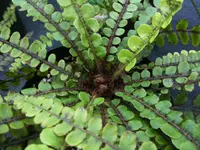
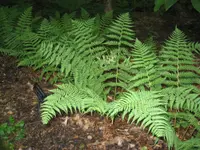
Kwikiwi, Blechnum fluviatile, is a small ground fern native to damp forests and stream edges in New Zealand. It forms low, neat rosettes of finely divided, leathery fronds. New fronds often emerge with a slightly different color or texture before maturing, creating a subtle contrast above the dark, fibrous bases. The plant spreads slowly, creating tight clumps rather than wide carpets. It prefers cool, shaded, consistently moist conditions and humus-rich soil, which makes it best suited to sheltered outdoor plantings or specialized indoor fern collections. Understanding how to care for kiwikiwi starts with providing steady moisture, protection from strong sun, and good air flow around the fronds.

Care Difficulty
Hard Care

Light Preference
Partial Shade

Water Requirements
Keep Soil Moist

Temperature Preference
Cool Climate

Hardiness Zone
8–10

Soil Texture
Loamy, Silty, Organic-rich

Soil pH
Acidic (5.5–6.5)

Soil Drainage
Moist but well-drained

Fertilization
Minimal (feed rarely)
Scan your plant to receive care tips personalized for your specific plant
Available on iOS and Android
Blechnum fluviatile prefers cool, shaded forest-like light conditions with limited direct sun.
This fern requires consistently moist but not waterlogged soil that mimics a cool streamside habitat.
This streamside fern prefers cool, mild conditions and reacts poorly to both frost and extreme heat.
This fern prefers consistently moist air and reacts quickly to dry indoor conditions.
This fern requires a loose, moisture-retentive but free-draining mix that mimics damp forest floor.
This species adapts well to container growing when moisture and stability are carefully managed.
Blechnum fluviatile is adapted to low-nutrient, moist forest soils and needs only modest feeding in cultivation.
Blechnum fluviatile needs only light pruning to keep the fern tidy and healthy.
This fern responds poorly to disturbance, so repotting or transplanting should be infrequent and gentle.
Blechnum fluviatile is usually propagated by careful division rather than by spores in home settings.
This fern prefers cool, moist conditions and is moderately cold tolerant but dislikes hard freezing.

Plant Health Check
Not sure what's wrong with your plant? Check your plant's health inside the app.
This fern is native to New Zealand and is most often found along cool, shaded stream banks and wet gullies, where it forms low colonies on constantly moist, acidic soils.
It often shows a clear difference between its sterile and fertile fronds, with the fertile fronds standing more upright and bearing densely packed spore clusters on the underside.
Its creeping rhizomes and dense rosettes help stabilize damp forest soil and stream margins, contributing to erosion control in its native habitats.

This species is considered a characteristic component of New Zealand wet forest and riparian fern communities and is often used by botanists and ecologists as an indicator of consistently cool, humid, and unpolluted microhabitats.
This fern is evergreen in mild, consistently moist climates, holding foliage year-round. In colder or very dry conditions, older fronds may die back, but new growth usually returns from the crown when conditions improve.
Keep your plants happy and healthy with plant identification, disease detection, and easy care guidance.

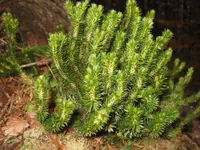
toothed clubmoss
Huperzia serrata
 POPULAR
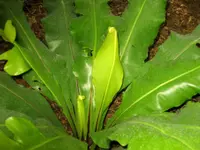
Bird's nest ferns
Asplenium nidus
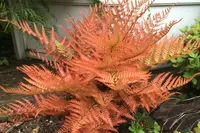
Autumn Fern
Dryopteris erythrosora 'Brilliance'
drooping filmy fern
Hymenophyllum demissum
Japanese Holly Fern
Cyrtomium falcatum 'Rochfordianum'
Bolbitis heteroclita
Bolbitis heteroclita
 POPULAR
Japanese bird's-nest fern
Asplenium antiquum
marginal woodfern
Dryopteris marginalis