Rhizome Positioning
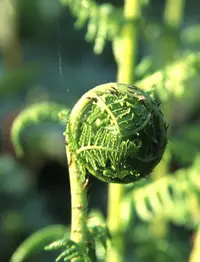
Set the crown and upper rhizomes just at or slightly above the soil surface so new fronds emerge freely and do not rot in constantly saturated mix.

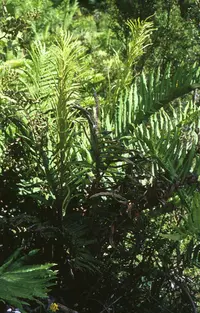
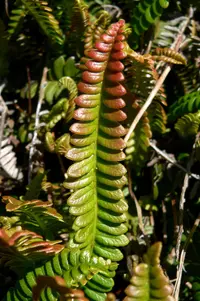
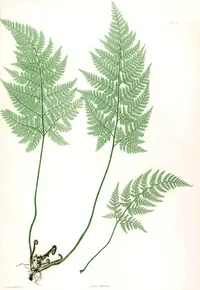
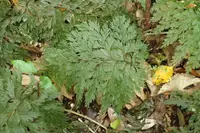
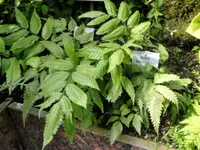
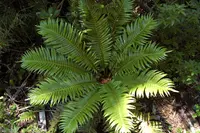
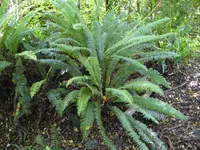
Greater hard-fern, Blechnum cordatum, is an evergreen fern valued for its strong architectural fronds and tidy clumping habit. It typically forms a low, dense rosette with upright, leathery leaf blades.
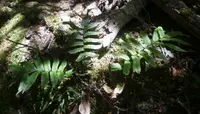
This species is native to temperate regions of South America, where it grows in moist forests and along shaded slopes. In cultivation it is usually grown for its structured foliage rather than flowers.
Greater hard-fern prefers consistently moist, humus-rich soil and sheltered, low to medium light conditions. Once its moisture needs are understood, it is moderately straightforward to care for Greater Hard-fern, though it dislikes drying out or harsh sun.

Care Difficulty
Moderate Care

Light Preference
Partial Shade

Water Requirements
Keep Soil Moist

Temperature Preference
Warm Climate

Hardiness Zone
9–11

Soil Texture
Loamy, Peaty, Organic-rich

Soil pH
Acidic (5.5–6.5), Slightly acidic (6.5–7.0)

Soil Drainage
Moist but well-drained

Fertilization
Light (every 4–6 weeks)
Scan your plant to receive care tips personalized for your specific plant
Available on iOS and Android
This fern prefers cool, sheltered sites with soft, indirect light similar to a forest floor.
This species thrives in consistently moist, humus-rich soil that never dries out completely.
This fern is adapted to mild, oceanic climates and dislikes temperature extremes.
This fern needs consistently moist air to keep fronds lush and reduce stress.
Blechnum cordatum prefers a consistently moist, airy, organic-rich substrate that never becomes waterlogged.
This species is suitable for container growing when moisture and stability are well managed.
This fern benefits from light, consistent feeding but is sensitive to excess salts.
Pruning for Blechnum cordatum focuses on hygiene and keeping the clump tidy rather than reshaping the plant.
This fern dislikes frequent disturbance, so repotting or transplanting should be infrequent and careful.
Propagation of Blechnum cordatum is possible but slower and more technical than many common houseplants.
In mild climates this fern is moderately hardy, but added winter care helps maintain foliage quality.

Plant Health Check
Not sure what's wrong with your plant? Check your plant's health inside the app.
This species shows strong frond dimorphism, producing shorter, broader sterile fronds near the center and taller, narrower fertile fronds that rise well above them, giving a tiered, almost shrub-like appearance uncommon among many temperate ferns.
Blechnum cordatum is naturally distributed in southern Chile and adjacent Argentina, where it often forms dense colonies in humid forests, stream margins, and wet slopes from near sea level into montane zones.
It develops a stout, woody rhizome that can form a low trunk over time, allowing older plants to resemble small tree ferns and helping the plant resprout after damage such as light disturbance or frond loss.

In parts of southern Chile, mature Blechnum cordatum often acts as an important understorey structural species, creating shaded, humid microhabitats that facilitate the establishment of moisture-loving seedlings and small invertebrates beneath its dense frond canopy.
Brown fronds usually result from low humidity, underwatering, or hot, direct sun scorching the tissue. Old fronds also brown naturally with age. Trim damaged fronds at the base and adjust conditions so new growth emerges healthy.
Keep your plants happy and healthy with plant identification, disease detection, and easy care guidance.