Rhizome mulching
Apply a thin, loose layer of fine bark or leaf litter over the rhizomes to mimic forest duff, stabilizing moisture around the crown while keeping the frond bases free and dry to prevent rot.

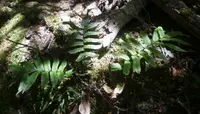
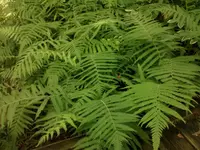
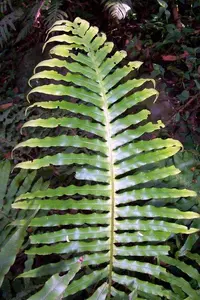
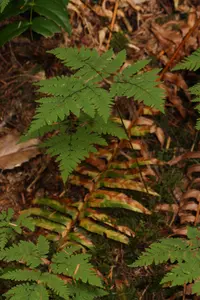
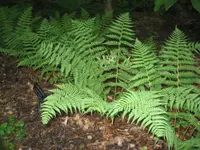
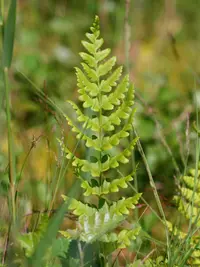
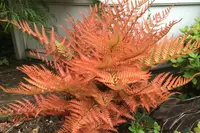
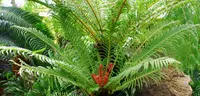
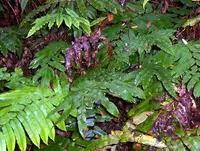
Small kiokio (Blechnum procerum) is a compact ground fern native to New Zealand, often found in damp forests, stream banks, and shaded rocky areas. It forms low clumps of finely divided fronds that give a soft, textured look. Young fronds may emerge with warmer tones before turning deep green, creating subtle color contrast in a planting. Its slow, tidy growth habit suits smaller gardens, shaded borders, and containers. This fern prefers cool, moist, sheltered conditions and does best in humus-rich, well-drained soil. Once its moisture and shade needs are understood, it is relatively straightforward to care for Small kiokio in temperate climates.

Care Difficulty
Moderate Care

Light Preference
Partial Shade

Water Requirements
Keep Soil Moist

Temperature Preference
Cool Climate

Hardiness Zone
8–10

Soil Texture
Loamy, Peaty, Organic-rich

Soil pH
Acidic (5.5–6.5)

Soil Drainage
Moist but well-drained

Fertilization
Minimal (feed rarely)
Scan your plant to receive care tips personalized for your specific plant
Available on iOS and Android
This fern prefers bright, indirect light and protection from harsh sun.
This species prefers consistently moist, but not waterlogged, soil.
This fern favors cool to mild, frost-sheltered conditions.
This fern prefers consistently moist air and reacts quickly to low humidity.
This species grows best in moist, loose, organic-rich soil that stays airy yet never waterlogged.
This fern adapts well to container culture when moisture and stability are managed carefully.
Blechnum procerum benefits from light, thoughtful feeding rather than heavy fertilization.
Blechnum procerum needs minimal pruning, focused on hygiene rather than shaping.
This fern is usually grown in the ground, but container plants or divisions may need occasional transplanting.
Blechnum procerum is usually propagated by division rather than from spores or seed in home settings.
This fern is moderately cold tolerant but benefits from some winter protection in colder regions.

Plant Health Check
Not sure what's wrong with your plant? Check your plant's health inside the app.
This species is naturally restricted to New Zealand, where it occurs in both the North and South Islands, especially in damp, acidic soils of forest margins, peatlands, and scrub.
The fronds often have conspicuously red to red-brown stipes (fern leaf stalks), which help distinguish it from similar small ground ferns in the same habitats.
In boggy and shrubland ecosystems, dense colonies of this fern help stabilize soil and provide cover for invertebrates and small ground-dwelling fauna, contributing to local microhabitat structure.
This fern is evergreen in mild, moist climates, holding its fronds year-round. In colder areas, fronds may become tatty or partially die back in winter, then renew from the crown in spring if the root system stays healthy.
Keep your plants happy and healthy with plant identification, disease detection, and easy care guidance.