Hard Water-fern Care (Blechnum wattsii)

Hard Water-fern

About Hard Water-fern

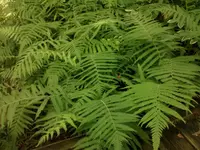
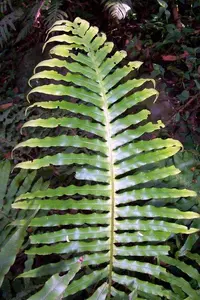
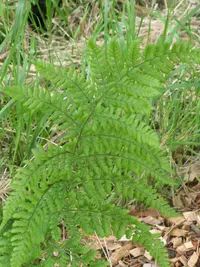
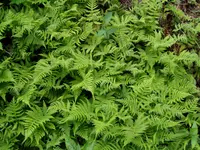
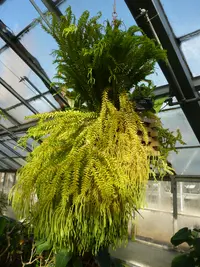
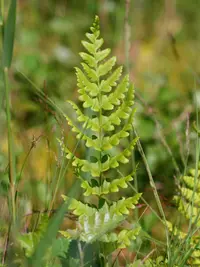
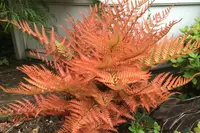
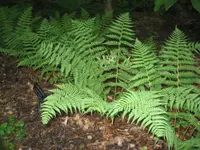
Hard water-fern, Blechnum wattsii, is an evergreen terrestrial fern valued for its bold, arching fronds and lush, layered clumps. It forms a dense rosette that gives a strong, textural look in shaded gardens and large containers.

This species is native to moist forests and stream edges in southeastern Australia and New Zealand, where it grows in cool, damp, sheltered sites. Its preference for consistently moist conditions and protection from strong sun makes it moderately challenging in dry or very warm climates.

Gardeners who learn how to care for Hard Water-fern usually find it reliable in stable, humus-rich soil with good shade and regular moisture.

Main Plant Requirements

Care Difficulty

Moderate Care

Light Preference

Partial Shade

Water Requirements

Keep Soil Moist

Temperature Preference

Cool Climate

Hardiness Zone

8–10

Soil Texture

Loamy, Peaty, Organic-rich

Soil pH

Acidic (5.5–6.5)

Soil Drainage

Moist but well-drained

Fertilization

Minimal (feed rarely)

Get Personalized Care Plan

Scan your plant to receive care tips personalized for your specific plant

Available on iOS and Android

How to Care for the Hard Water-fern

This fern prefers cool, shaded woodland-style light rather than direct sun exposure.

  • Provide bright dappled shade or full shade with 1–2 hours of soft morning sun; avoid direct midday or afternoon sun, which can scorch fronds.
  • Hard Water-fern grows best under filtered light from overhead trees, shade cloth, or a north- or east-facing aspect in mild climates.
  • In summer, increase shade if fronds pale or crisp at the edges; in winter, allow slightly more indirect light to maintain compact growth.

This fern needs evenly moist, humus-rich soil that never dries out completely.

  • Water whenever the top 1–2 cm of soil feels just barely dry, aiming for consistently damp but not waterlogged conditions around the root zone.
  • Use loose, organic soil with good drainage; puddling on the surface or a sour smell indicates overwatering and poor aeration.
  • If Blechnum wattsii fronds droop or feel papery and crisp, it is likely too dry; blackened bases or mushy roots signal excess moisture.

This species thrives in cool to mild conditions typical of sheltered forest floors.

  • Aim for 50–75°F (10–24°C) for sustained growth; it performs best in climates without extreme temperature swings.
  • The fern tolerates brief drops to about 28–30°F (-2 to -1°C) but repeated hard frosts can damage fronds and crowns, especially in exposed sites.
  • In hot weather above 82–86°F (28–30°C), increase shade and soil moisture to reduce heat stress, and protect from drying winds.

This fern prefers consistently moist air and reacts quickly to dry indoor conditions.

  • Aim for 60–80% humidity, as Hard Water-fern naturally grows in damp, sheltered habitats.
  • Frond tips browning, curled edges, and slowed new frond unfurling indicate low humidity stress.
  • Increase humidity with a pebble tray under the pot, grouping plants, or a small humidifier positioned nearby.

This fern needs a moisture-retentive yet airy mix that mimics a damp forest floor.

  • Use a loose, organic-rich mix such as 2 parts peat-free compost, 1 part fine bark, and 1 part perlite.
  • Ensure steady moisture with drainage; the mix should hold water but drain within a few minutes after watering.
  • Keep pH slightly acidic to neutral, roughly 5.5–7.0, which suits Blechnum wattsii root physiology.
  • Avoid heavy clay, compacted mixes, or pure sand that either suffocate roots or dry out too fast.

This species adapts well to container growing when moisture and stability are carefully managed.

  • Choose a deep, relatively narrow pot to support its upright rhizomes while limiting waterlogged volume at the base.
  • Select a heavier material such as ceramic to counterbalance the arching fronds and reduce tipping outdoors.
  • Raise the pot slightly on feet or bricks so drainage holes stay clear and runoff water leaves the container zone quickly.

Blechnum wattsii benefits from light, consistent feeding during active growth rather than heavy applications.

  • Use a balanced NPK liquid fertilizer at 1/4–1/2 strength every 4–6 weeks in spring and summer.
  • Alternatively, apply a thin layer of mature compost or a low-dose slow-release fern fertilizer at the start of spring.
  • Pause feeding in winter when growth slows, especially for Hard Water-fern kept in cooler rooms.
  • Flush the pot with plain water occasionally to prevent soluble salts building up in the root zone.

Pruning Blechnum wattsii is mainly hygienic, focusing on removing old fronds to keep the clump healthy and tidy.

  • Carry out light pruning in late winter or early spring before new fronds unfurl.
  • Cut dead, yellowing, or damaged fronds at the base with clean, sharp scissors or pruners.
  • Thin out a few congested inner fronds to improve air movement and reduce fungal issues.
  • Avoid cutting healthy growing tips, as this fern does not regrow from a hard crown cut.

This fern prefers stable conditions and only needs repotting or transplanting when clearly rootbound or overcrowded.

  • Check for roots circling the pot, emerging from drainage holes, or unexplained slow growth as signs it needs a larger container.
  • Plan repotting or garden transplanting for early spring, every 2–3 years, when new growth begins.
  • Choose a shallow, wide pot or shaded garden spot with moist, well-drained, humus-rich soil to limit shock.
  • Lift the root ball gently, disturb roots as little as possible, water thoroughly, and keep shaded while it re-establishes.

Division is the most practical method for increasing Blechnum wattsii plants for home growers.

  • Divide mature, vigorous clumps in early spring when new fronds are just emerging.
  • Lift the plant carefully and separate the rhizome into sections, each with several healthy fronds and firm roots.
  • Replant divisions into moist, humus-rich, free-draining mix and keep in bright, indirect light.
  • Maintain evenly moist soil and high humidity to support new root growth until divisions are established.

Blechnum wattsii is moderately cold tolerant but benefits from some winter protection in colder climates.

  • In-ground plants handle light frosts but may suffer below about 20–25°F, especially in exposed sites.
  • Apply 5–8 cm of leaf mold or bark mulch around the root zone in late fall, keeping it off the crown.
  • Move containers indoors or to a sheltered, frost-free porch, maintaining cool temperatures and slightly moist soil.

Care Tips

Staggered Frond Thinning

Once or twice a year, selectively remove only the oldest, yellowing fronds at the base to maintain good air flow through the clump and reduce fungal pressure without exposing the crown.

Cool-Root Mulching

Apply a loose, 3–5 cm layer of fine bark or leaf mold around but not on the crown to keep surface roots cool and moist, which supports steady frond production in warm spells.

Moisture Zoning

If grown in the ground, create a shallow basin just outside the crown to catch irrigation or rain, helping to maintain even moisture while keeping the central growing point from sitting in water.

Frost-Buffer Setup

In regions with light frost, pack loose dry leaf litter or straw around the base in late fall and use a breathable frost cloth on cold nights to protect the crown and emerging croziers.

Division For Renewal

Every 3–5 years, divide large, congested clumps in cool, moist weather by lifting and cutting the rhizome into sections with several healthy fronds each, then replant promptly to manage crowding when caring for Hard Water-fern.

Common Pests and Diseases

Scale insects

This pest often settles along the frond midribs and stipes, feeding on sap and causing yellowing, sticky residue, and weakened growth.

Solution

Physically remove scales with a soft cloth or cotton swab dipped in diluted alcohol, then wash fronds with lukewarm water and mild insecticidal soap; for persistent infestations, repeat treatments weekly and improve air movement and overall Blechnum wattsii care to reduce stress.

Fern aphids

These insects cluster on tender fiddleheads and young fronds, sucking sap and causing distortion, pale patches, and sticky honeydew that can support sooty mold.

Solution

Rinse colonies off under a gentle but thorough stream of water, then treat remaining insects with a ready-to-use insecticidal soap or neem oil spray, repeating every 5–7 days until new growth appears clean and undistorted.

Rhizoctonia leaf spot

This disease causes irregular brown or tan lesions on fronds, often starting where water sits, and can lead to premature browning and dieback in dense clumps.

Solution

Remove and discard affected fronds, avoid overhead watering, and increase spacing and airflow; in severe cases on valuable clumps, apply a fern-safe fungicide labeled for Rhizoctonia, following label rates and timing carefully.

Pythium crown and root rot

This disease develops in overly wet, poorly drained substrates, leading to blackened crown tissue, limp fronds, and collapse of the rosette.

Solution

Improve drainage, reduce watering frequency, and remove badly affected plants or rotted crown sections; for early cases in high-value specimens, repot into fresh, free-draining mix and consider a systemic fungicide labeled for Pythium, keeping future moisture levels evenly damp rather than saturated.

Slugs and snails

These pests feed on tender fronds and emerging fiddleheads, leaving irregular holes and ragged edges, especially in moist, shaded plantings typical for this species.

Solution

Hand-pick at night or in the early morning, reduce hiding places such as dense debris, and use barriers or iron phosphate slug pellets placed around but not onto the crown to protect young fronds while maintaining the moist conditions needed to grow Blechnum wattsii.

Interesting Facts

Australian cool-temperate fern

This species is native to cool-temperate rainforests of south‑eastern Australia, especially Victoria and Tasmania, where it often forms dense, ground-level colonies under tall eucalypt and Nothofagus forests.

Distinctive juvenile fronds

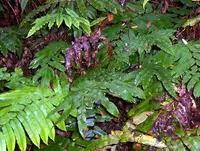
Its new sterile fronds emerge a lighter green and are often more spreading and delicate than the mature foliage, creating a layered look that helps it capture low, filtered light on the forest floor.

Moisture-loving root system

In its natural habitat it grows in consistently damp, humus-rich soil along creek lines and gullies, with shallow roots adapted to cool, moist, but not waterlogged conditions.

FAQs about Hard Water-fern

Brown fronds usually result from low humidity, irregular watering, or excess direct sun. Check soil moisture, increase ambient humidity, and remove fully dead fronds. If tips alone are brown, review fertilizer strength and avoid hard water buildup.

Grow Healthy Plants with Botan Care

Keep your plants happy and healthy with plant identification, disease detection, and easy care guidance.

Botan plant care app — identify plants on mobile

Explore More Plants