Tall Fern Care (Blechnum magellanicum)

Tall Fern

About Tall Fern

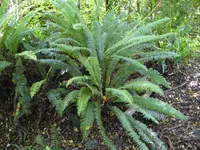
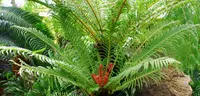
Tall fern, Blechnum magellanicum, is a terrestrial fern that forms a stout, trunk-like base topped with a fountain of arching fronds. It can develop a small tree-fern appearance over time, giving strong vertical structure in shaded gardens or large containers. Native to cool, damp regions of southern South America, it is adapted to moist, humus-rich forest floors and riverbanks. This background makes it moderately demanding in cultivation, as it dislikes drying out or strong heat. For those learning how to care for Tall Fern, consistent moisture, cool conditions, and protection from harsh sun are the main points to understand.

Main Plant Requirements

Care Difficulty

Moderate Care

Light Preference

Partial Shade

Water Requirements

Keep Soil Moist

Temperature Preference

Cool Climate

Hardiness Zone

7–9

Soil Texture

Loamy, Peaty, Organic-rich

Soil pH

Acidic (5.5–6.5)

Soil Drainage

Moist but well-drained

Fertilization

Minimal (feed rarely)

Get Personalized Care Plan

Scan your plant to receive care tips personalized for your specific plant

Available on iOS and Android

How to Care for the Tall Fern

This fern prefers bright, soft light that mimics a forest edge or light woodland shade.

  • Provide 3–5 hours of gentle morning sun with dappled or filtered light the rest of the day; avoid harsh afternoon sun that can scorch fronds.
  • Tall Fern tolerates partial shade, but in very dim sites fronds become sparse and elongated; choose an east or north exposure outdoors.
  • In hot summers, increase shade during midday; in cooler seasons allow slightly more direct morning light to maintain compact growth.

This fern needs steadily moist, cool soil without becoming waterlogged.

  • Aim for soil that stays evenly moist; allow only the top 1–2 cm to just lose surface sheen before watering again in garden beds.
  • Use rich, humus-heavy soil with good structure so excess water drains away while still holding moisture around roots of Blechnum magellanicum.
  • In summer heat, check moisture every 1–2 days; in cool, wet seasons, reduce watering and watch for yellowing, limp fronds as a sign of overwatering.

This cool-temperate fern prefers mild conditions and dislikes both hard frost and extreme heat.

  • Optimal growth occurs around 50–70°F (10–21°C); plants stay lush and produce firm fronds in this range.
  • Short dips to about 23°F (-5°C) may be tolerated once established, but repeated freezes or colder conditions can damage crowns.
  • In hot spells above 80°F (27°C), provide extra shade, thicker mulch, and consistent moisture to keep roots cool and reduce heat stress.

This species prefers consistently moist, cool air and benefits from elevated humidity indoors.

  • Aim for 60–80% humidity; it tolerates brief dips but prolonged dry air leads to browning frond tips and crisp edges.
  • Watch for pale, curling new fronds and slowed growth as signs of humidity stress, especially in heated rooms.
  • Increase humidity with pebble trays, grouped plants, or a room humidifier rather than frequent misting, which offers only short-term benefit for Tall Fern.

Blechnum magellanicum grows best in deep, cool, organic-rich soil that mimics a forest floor.

  • Use a loose, humus-heavy mix such as 2 parts peat or coir, 1 part fine bark, and 1 part perlite for moisture retention with air spaces.
  • Ensure excess water drains freely; the mix should stay evenly moist but never waterlogged, which quickly causes root and rhizome rot.
  • Keep pH slightly acidic to neutral, around 5.5–6.8, avoiding alkaline mixes that can limit nutrient availability and reduce vigor.
  • Improve aeration by adding extra fine bark or perlite if the mix compacts, and avoid heavy garden clay or pure compost that stays soggy.

This fern can be grown successfully in containers when given stable, cool, moist root conditions.

  • Choose a deep, heavy pot that resists tipping as the rosette becomes tall and weighty in the upper growth.
  • Select a container material such as thick ceramic that moderates temperature swings and slows overly fast drying of the mix.
  • Raise the pot slightly on feet or blocks so drainage holes clear the surface, allowing fast runoff and preventing a cold, stagnant water zone at the base.

This fern benefits from light, steady feeding rather than heavy fertilization.

  • Use a balanced liquid fertilizer (around 10-10-10 or 20-20-20) at 1/4–1/2 strength during active growth in spring and summer.
  • Apply every 4–6 weeks, ensuring the soil is already moist to prevent root burn.
  • Incorporate a thin layer of compost on the soil surface once each spring for slow nutrient release.
  • Reduce feeding to once in late fall or stop entirely in winter as Tall Fern growth slows.

Pruning focuses on hygiene and maintaining a clean, well-shaped Blechnum magellanicum crown.

  • Best time is late winter to early spring before vigorous new fronds unfurl.
  • Remove dead, yellowing, or damaged fronds at the base using clean, sharp scissors or pruners.
  • Thin out a few crowded inner fronds to improve air flow while keeping the natural vase shape.
  • Disinfect tools before and after use to lower disease risk and prevent tissue damage.

Container-grown plants and young outdoor specimens appreciate careful, infrequent moves to prevent root disturbance.

  • Check for roots circling the pot, emerging from drainage holes, or noticeably slow growth as repotting signals every 2–3 years.
  • Plan repotting or transplanting in early spring when new growth starts, avoiding hot or very dry periods.
  • Shift into a container or site only 1 size larger, using moisture-retentive, free-draining mix rich in organic matter.
  • Water thoroughly before and after moving, keep shade high and wind low for 1–2 weeks, and avoid root teasing to limit stress.

Blechnum magellanicum is usually propagated by division rather than by spores in home settings.

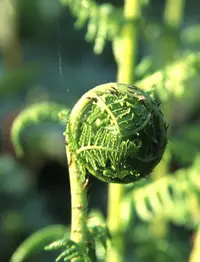
  • Divide mature clumps in early spring when new croziers just appear, choosing plants with multiple healthy crowns.
  • Lift the plant carefully and separate sections with a clean knife, keeping a solid root mass attached to each division.
  • Replant divisions into moist, humus-rich, well-drained soil and firm gently to remove air pockets.
  • Maintain high humidity, consistent moisture, and bright, indirect light until new fronds establish and growth resumes.

This fern is moderately cold hardy but benefits from basic winter protection in colder regions.

  • Tolerates light frost but may suffer frond damage below about 15–20°F, especially in exposed sites.
  • Apply 5–8 cm of organic mulch around the root zone in late fall, keeping it slightly away from the crown.
  • In very cold or windy locations, shelter the crown with evergreen boughs or breathable frost cloth to reduce desiccation.
  • Move container plants into a cool, bright, frost-free area and water sparingly, keeping the mix just barely moist.

Care Tips

Cool-root culture

Place the pot inside a slightly larger cachepot with damp sphagnum moss between the walls to keep the root zone cool and evenly moist, which this fern prefers over warm, dry containers.

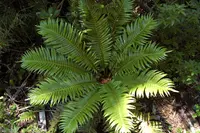
Frond crown protection

When repotting or top-dressing, keep all soil and mulch below the growing crown and remove any debris that collects there to reduce crown rot and encourage new frond production.

Gradual hardening outdoors

If moving the plant outside for summer, increase its exposure to brighter light and wind over 10–14 days to prevent frond scorch and mechanical damage to the emerging fronds.

High-humidity air flow

Use a small, quiet fan on a low setting to move air gently across the fronds in humid growing areas, which helps prevent fungal spotting without drying the plant excessively.

Seasonal nutrient taper

In late summer, extend the interval between feedings and stop fertilizing in early fall so new fronds harden properly before winter, an important step in caring for Tall Fern in cool climates.

Common Pests and Diseases

Scale insects

This pest attaches to fronds and stems, sucking sap and causing yellowing, stunting, and sticky honeydew that can lead to sooty mold.

Solution

Remove heavily infested fronds, then wipe remaining scale with cotton pads dipped in 70% isopropyl alcohol or insecticidal soap, repeating weekly until gone; improve air movement and avoid excess nitrogen fertilization that encourages soft, vulnerable growth.

Fern aphids

These insects cluster on young fiddleheads and frond bases, distorting new growth and leaving sticky deposits that may attract ants or support sooty mold.

Solution

Rinse colonies off with a firm stream of water, then treat tender growth with insecticidal soap or a neem-based spray, ensuring full coverage of undersides of fronds and repeating at 5–7 day intervals until no new aphids appear.

Rhizoctonia crown rot

This disease attacks the crown at soil level, causing browning, collapse of new fronds, and a dry, sunken, sometimes webby rot around the growing point, especially in warm, wet conditions.

Solution

Discard severely affected plants; for early cases, cut out all rotted tissue, replant in a free-draining, slightly acidic mix, keep the crown just at the surface, reduce watering until new firm growth appears, and avoid overhead watering that keeps the crown wet for long periods.

Leaf spot

This disease produces tan to dark brown spots with possible purple or darker margins on older fronds, which may yellow and die prematurely in humid, poorly ventilated conditions.

Solution

Remove and dispose of affected fronds, water at soil level rather than over the foliage, increase spacing and airflow, and in persistent cases use a labeled copper or chlorothalonil fungicide, following directions carefully to protect tender new fronds.

Pythium damping-off

This disease affects sporelings and young plants, causing seedlings to collapse at the base and established plants to show blackened, failing roots in saturated, cold media.

Solution

Use sterile, well-draining substrate for propagation, avoid standing water in trays, water in the morning so media can dry slightly by night, and discard severely affected batches; for valuable plants, repot into fresh mix, trimming off all black roots and adjusting watering to keep the medium evenly moist, not waterlogged, which is central in Blechnum magellanicum plant care.

Interesting Facts

Southern cone native

This fern is naturally distributed in southern Chile and Argentina, including Tierra del Fuego, where it occurs in cool, wet temperate forests and along stream margins in subantarctic climates.

Tree fern growth

Although not a true tree fern in the strict taxonomic sense, it forms an upright woody trunk that can reach several meters in height, giving it a palm-like appearance in mature specimens.

Cold-tolerant fronds

In its native range it tolerates frequent cool temperatures and strong winds; in mild climates it can withstand light frosts that would damage many other ornamental ferns, especially once the trunk is established.

Botan icon

Did you know?

In parts of southern South America, this species often forms conspicuous natural colonies called fern brakes, where dense stands of its tall trunks and arching fronds can dominate the understory and visually structure entire sections of temperate rainforest.

FAQs about Tall Fern

Growth is moderate rather than rapid. In suitable conditions, fronds typically extend 10–30 cm per year, with the crown slowly enlarging. Cooler temperatures or low humidity slow growth, while consistent moisture and protection from harsh sun support steady development.

Grow Healthy Plants with Botan Care

Keep your plants happy and healthy with plant identification, disease detection, and easy care guidance.

Botan plant care app — identify plants on mobile

Explore More Plants