Mulch for fronds
Apply a 3–5 cm layer of fine, composted leaf mold or pine needles around the crown each spring to keep roots cool, retain moisture, and mimic the natural woodland litter this fern prefers.

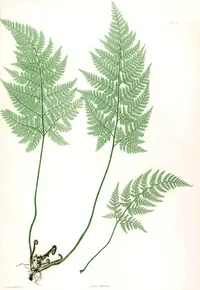
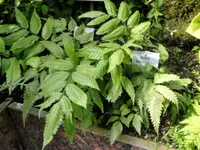
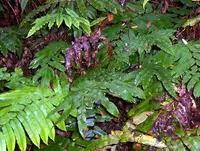
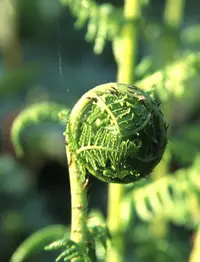
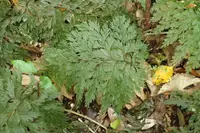
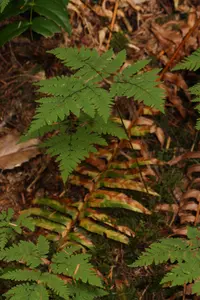
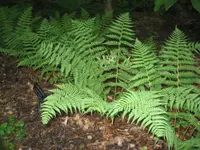
Hay-scented buckler-fern, Dryopteris aemula, is a clump-forming, deciduous fern valued for its finely divided, light green fronds. When crushed or brushed, the foliage gives off a subtle hay-like scent, which is the source of its common name.
This species occurs naturally in mild, humid Atlantic regions of western Europe, often on shaded banks, rocky slopes, and woodland edges. It prefers cool, consistently moist, but not waterlogged, conditions in humus-rich, slightly acidic soil.
Dryopteris aemula is considered moderately easy if its need for shade and moisture is met and is less suited to hot, dry sites. Gardeners who learn how to care for hay-scented buckler-fern usually find it a reliable, long-lived woodland accent.

Care Difficulty
Moderate Care

Light Preference
Partial Shade

Water Requirements
Keep Soil Moist

Temperature Preference
Cool Climate

Hardiness Zone
6–8

Soil Texture
Loamy, Peaty, Organic-rich

Soil pH
Acidic (5.5–6.5), Slightly acidic (6.5–7.0)

Soil Drainage
Moist but well-drained

Fertilization
Minimal (feed rarely)
Scan your plant to receive care tips personalized for your specific plant
Available on iOS and Android
This fern prefers cool, shaded conditions that mimic a woodland floor.
This fern thrives in consistently moist, but not waterlogged, soil.
This species prefers cool, mild conditions and tolerates moderate cold.
This fern prefers cool, moist air and reacts quickly to dry indoor conditions.
This fern needs consistently moist, humus-rich soil that drains freely yet never dries out completely.
This species can grow well in containers if moisture and root coolness are carefully managed.
This woodland fern needs only light feeding in containers or very poor soils; in rich ground it often grows well without extra fertilizer.
Pruning Dryopteris aemula focuses on hygiene and appearance rather than shaping.
This fern is usually grown in the ground, so attention focuses on careful transplanting or occasional pot adjustment.
Dryopteris aemula is normally propagated by division rather than from spores in home gardens.
This fern is generally cold hardy in mild to cool climates and usually needs only modest winter care outdoors.

Plant Health Check
Not sure what's wrong with your plant? Check your plant's health inside the app.
When the fronds dry or are gently crushed, they release a distinct dry hay or cut-grass scent due to volatile organic compounds in the leaf tissues, which gives the species its common name hay-scented buckler-fern.
This fern has a naturally patchy distribution, occurring mainly in humid, ocean-influenced woodlands of western Europe and Macaronesia, where mild, wet climates and frequent mists support its need for constantly moist, shaded conditions.
In the wild, it often grows on or beside acid rocks such as granite or sandstone and in humus-rich, acidic soils, showing a clear preference for low-lime substrates compared with many other woodland ferns.

In parts of its range, this species is considered an indicator of long-established, ancient woodland, meaning its presence can help ecologists identify forests that have remained continuously wooded for centuries.
This species spreads slowly to moderately by short rhizomes, forming loose clumps that can expand into small colonies over several years. It is not generally considered aggressive, but in ideal woodland conditions it can gradually fill available space.
Keep your plants happy and healthy with plant identification, disease detection, and easy care guidance.