Wood Horsetail Care (Equisetum sylvaticum)

Also known as: woodland horsetail
Wood Horsetail

About Wood Horsetail

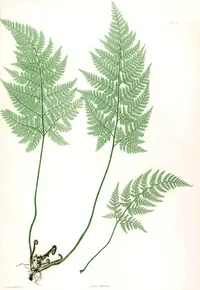
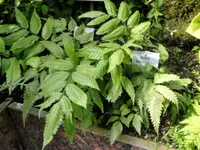
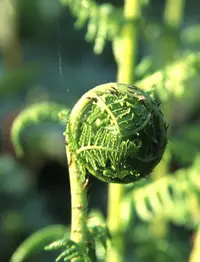
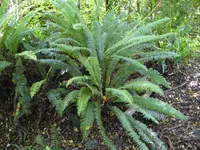
Wood horsetail, Equisetum sylvaticum, is a perennial fern ally known for its fine, feathery foliage and layered whorls of green branches. It spreads mainly by underground rhizomes, forming dense patches over time.

This species is native to cool, moist woodlands and stream edges across parts of Europe and Asia. It thrives in consistently damp, often slightly acidic soils and tolerates partial shade.

Wood horsetail is hardy and persistent but can be invasive in suitable conditions, which affects how easy it is to manage. Gardeners who want to care for Wood Horsetail should plan for its spreading habit and preference for wet ground.

Main Plant Requirements

Care Difficulty

Moderate Care

Light Preference

Partial Shade

Water Requirements

Keep Soil Moist

Temperature Preference

Cold Hardy

Hardiness Zone

3–8

Soil Texture

Loamy, Silty, Organic-rich

Soil pH

Acidic (5.5–6.5), Slightly acidic (6.5–7.0)

Soil Drainage

Waterlogged tolerant

Fertilization

Minimal (feed rarely)

Get Personalized Care Plan

Scan your plant to receive care tips personalized for your specific plant

Available on iOS and Android

How to Care for the Wood Horsetail

This woodland species prefers bright, filtered light with consistent moisture and protection from harsh exposure.

  • Aim for dappled shade or morning sun with 2–4 hours of direct light, avoiding strong midday and afternoon sun that can scorch the stems.
  • Wood Horsetail tolerates partial to full shade; under very dense shade, stems may grow weak and sparse, indicating the need for slightly brighter exposure.
  • In summer, provide shade from hot western sun; in late autumn and winter, outdoor plants naturally receive less light as top growth dies back.

This moisture-loving fern ally thrives in consistently wet conditions and does not tolerate drying out.

  • Maintain soil that is consistently moist to saturated; do not allow the top layer to fully dry, especially in active growth.
  • In natural or boggy sites, flowing or stagnant shallow water suits Equisetum sylvaticum, provided roots are not exposed by erosion.
  • Underwatering shows as browning, crispy tips and thin, stunted shoots, while foul odor, slimy stems, or collapse often indicate stagnant, oxygen-poor conditions.

This hardy species is adapted to cool, moist climates and tolerates substantial winter cold outdoors.

  • Active growth is strongest around 50–70°F (10–21°C), especially in cool, humid spring and early summer conditions.
  • Established plants tolerate at least 0°F (-18°C) in the ground, dying back above soil level and resprouting from rhizomes in spring.
  • In hot spells above 80–85°F (27–29°C), growth may slow; provide extra moisture and shade to limit heat stress and drying winds.

This species prefers consistently moist, moderately to highly humid conditions.

  • Aim for 60–80% humidity, mimicking damp woodland or bog-like air.
  • It tolerates brief dips to 40–50% humidity but prolonged dry indoor air can brown tips and reduce new shoot growth.
  • Increase humidity with trays of wet pebbles, nearby water features, or grouping plants in naturally damp, shaded outdoor spots when caring for Wood Horsetail.

This moisture-loving species needs permanently damp, air-poor soil rather than a dry, free-draining mix.

  • Use a heavy, organic-rich loam with added leaf mold or compost, creating a dense, moisture-retentive structure.
  • Allow only very slow drainage; soil should stay wet or waterlogged, similar to pond margins or bog edges.
  • A slightly acidic to neutral pH around 5.5–7 suits Equisetum sylvaticum in most garden settings.
  • Avoid sandy or perlite-heavy mixes that dry quickly and instead deepen beds or use liners to hold water around the roots.

This species can be grown in containers, mainly to control its spreading habit.

  • Choose a deep, wide, rigid container to contain the rhizomes and prevent them from pushing against or distorting thinner plastic walls.
  • Sink the pot into the ground or brace it against a solid surface to keep tall, top-heavy stems from tipping in wind.
  • Use a cachepot or watertight outer sleeve so the inner pot can sit in a shallow reservoir, maintaining boggy moisture without constant watering.

This woodland horsetail typically needs minimal feeding in the ground; focus on soil health rather than strong fertilizers for Wood Horsetail indoor care.

  • Use a light top-dressing of compost in spring to support steady growth in poor soils.
  • For container plants, apply a balanced, dilute liquid fertilizer (about 1/4 strength) every 4–6 weeks in the growing season.
  • Avoid high-nitrogen or heavy slow-release fertilizers that can cause weak, lush growth in wet substrates.
  • Stop feeding in late fall and during winter dormancy to prevent soft, frost-sensitive shoots.

Pruning Equisetum sylvaticum is mainly cosmetic and for containment rather than plant health.

  • Cut dead, browned, or storm-damaged stems at ground level anytime they appear to keep the stand tidy.
  • In late fall or early spring, shear or clip overgrown patches to control spread and encourage fresh green shoots.
  • Remove crowded stems selectively if access paths or nearby plants are being invaded.
  • Use clean, sharp hand pruners or shears, disinfecting blades when moving between patches to limit disease spread.

This species is usually grown in the ground, so transplanting clumps is more common than repotting containers.

  • Plan transplanting for early spring or early fall when temperatures are mild and soil is moist.
  • Lift and move sections when rhizomes form dense mats, growth slows, or roots circle a pond basket or pot.
  • Replant clumps at the same depth in a consistently moist site, firming soil gently around rhizomes to limit air pockets.
  • Water thoroughly after moving and shade for a few days if possible to reduce transplant shock and leaf desiccation.

New plants are usually produced by division of rhizomes rather than from spores or seed in home settings.

  • Divide mature clumps in early spring, when new shoots just start to emerge but soil is workable.
  • Use a sharp spade or knife to cut rhizome sections with several buds and attached roots.
  • Replant divisions into wet, humus-rich soil, keeping crowns level with the surface and spacing for future spread.
  • Maintain consistently moist conditions and moderate light until divisions establish and new shoots elongate.

This horsetail is cold hardy in much of the temperate US and usually needs little specific winter care in the ground.

  • Tolerates typical frosts; top growth may brown and die back while underground rhizomes remain alive.
  • In very exposed sites, add a 5–8 cm mulch layer over the root zone after the ground cools to buffer freeze–thaw cycles.
  • For container plants in cold regions, sink pots into the ground or move them to an unheated, frost-free shelter.

Care Tips

Contain Rhizome Spread

Install a root barrier 30–40 cm deep or grow this plant in a large pond basket to prevent aggressive rhizomes from invading nearby beds and lawn areas.

Use As Erosion Control

Plant clumps along damp slopes or stream banks where the dense, fibrous root system can help stabilize soil and reduce erosion over time.

Maintain Moist Microclimate

In dry or windy sites, use surrounding taller perennials or shrubs as windbreaks and light shade to reduce evaporation and keep the soil consistently damp around the plant.

Divide To Rejuvenate

Every 3–4 years, lift and divide congested clumps in early spring, replanting only vigorous, green sections to maintain strong growth and tidy appearance.

Monitor Nutrient Competition

Avoid planting directly against heavy-feeding perennials or shrubs, since this species prefers low-nutrient, open root space and will perform better with limited competition when caring for Wood Horsetail.

Common Pests and Diseases

Rust fungi

This disease causes orange to brown pustules on stems and fertile shoots, sometimes leading to yellowing and weakened growth. Symptoms include powdery spore masses that rub off on fingers or nearby plants.

Solution

Remove and destroy heavily affected stems to reduce spore load, avoid overhead watering, and improve air movement around the planting. Where rust recurs, apply a sulfur or copper-based fungicide labeled for ornamental plants, following label directions carefully.

Stem blight

This disease produces dark, sunken lesions on stems that may girdle and kill individual shoots, especially in dense, wet stands. Symptoms include browning and collapse of affected sections above the lesion.

Solution

Cut out blighted stems at the base and dispose of them, then thin crowded clumps to lower humidity around the plant. Avoid mechanical damage to stems and reduce prolonged waterlogging to limit entry points for the fungi that cause blight.

Aphids

These insects cluster on tender shoot tips and fertile stems, sucking sap and causing distortion or stunting. This pest also excretes sticky honeydew that can support sooty mold growth on stems and nearby foliage.

Solution

Rinse colonies off with a firm stream of water, repeating as needed, and encourage natural predators such as lady beetles by avoiding broad-spectrum insecticides. For persistent infestations on ornamental stands, use insecticidal soap or a light horticultural oil, coating stems thoroughly.

Spider mites

These pests feed on stems and fine branchlets, especially in hot, dry weather, leading to dull, stippled tissue and reduced vigor. Symptoms include very fine webbing between branchlets when populations are high.

Solution

Increase ambient humidity and hose down plants regularly, focusing on the inner stems to dislodge mites. If populations stay high, apply insecticidal soap or a low-toxicity miticide approved for ornamental use, ensuring complete coverage of all stem surfaces as part of broader Equisetum sylvaticum care instructions.

Interesting Facts

Two-tiered shoot system

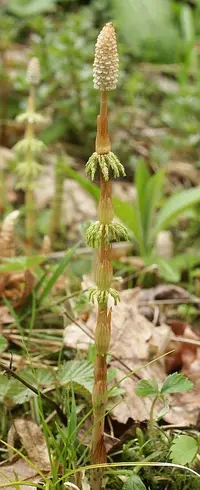
This species forms distinct sterile and fertile shoots, with the sterile shoots developing later and becoming much more branched and fern-like than the simpler fertile shoots that appear first in spring.

Fern-like branching pattern

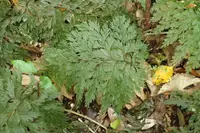
Among horsetails, it is notable for its finely divided, arching side branches that give it an unusually soft, fern-like appearance compared with the more rigid, jointed look of related species.

Indicator of moist woodlands

It occurs most often in cool, moist, nutrient-rich forest habitats and is frequently used as an indicator species for damp, shaded woodland soils with high groundwater levels.

Botan icon

Did you know?

This species is considered one of the most evolutionarily specialized horsetails, with its highly branched, delicate architecture representing a derived growth form compared with the simpler, more upright structure seen in many other Equisetum species.

FAQs about Wood Horsetail

This species spreads by creeping rhizomes and can form dense colonies over time. In garden settings, use root barriers or containers to limit spread, and remove unwanted shoots regularly to keep it within bounds.

Grow Healthy Plants with Botan Care

Keep your plants happy and healthy with plant identification, disease detection, and easy care guidance.

Botan plant care app — identify plants on mobile

Explore More Plants