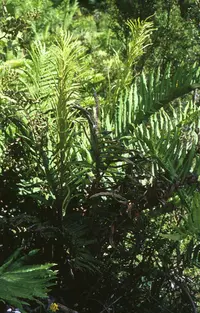
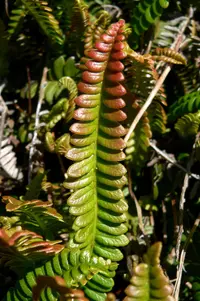
Rereti Care (Blechnum chambersii)

Also known as: lance fern, lance water-fern
Rereti

About Rereti

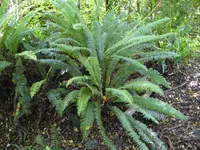
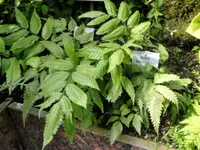
Rereti (Blechnum chambersii) is a terrestrial fern native to New Zealand, typically found in moist forests and along shaded stream banks. It forms low, arching clumps of finely divided fronds with a soft, feathery look. New fronds often emerge a lighter color before maturing to deep green, giving the plant subtle seasonal interest. Growth is usually slow to moderate and compact, which suits smaller gardens and shaded spaces. This fern prefers cool, humid conditions, consistent moisture, and rich, well-drained soil, so it can be more demanding in dry or heated indoor environments. Understanding these natural preferences helps plant owners care for Rereti more successfully.

Main Plant Requirements

Care Difficulty

Moderate Care

Light Preference

Partial Shade

Water Requirements

Keep Soil Moist

Temperature Preference

Cool Climate

Hardiness Zone

8–10

Soil Texture

Loamy, Peaty, Organic-rich

Soil pH

Strongly acidic (4.5–5.5), Acidic (5.5–6.5)

Soil Drainage

Moist but well-drained

Fertilization

Minimal (feed rarely)

Get Personalized Care Plan

Scan your plant to receive care tips personalized for your specific plant

Available on iOS and Android

How to Care for the Rereti

This fern prefers cool, shaded forest-like light rather than direct sun.

  • Provide 2–4 hours of soft morning sun or bright dappled light under trees; avoid harsh midday or afternoon sun that can scorch fronds.
  • Site Blechnum chambersii in partial to full shade outdoors, using overhead canopy or 30–50% shade cloth in exposed gardens.
  • In summer, protect from intense sun and drying winds; in winter, ensure it still receives indirect light so new fronds do not weaken, especially for Rereti in dense plantings.

This fern prefers consistently moist but not waterlogged soil.

  • Water when the top 2–3 cm of soil feels slightly dry, aiming to keep the root zone evenly damp, especially during active spring–summer growth.
  • Use deep watering so moisture reaches 10–15 cm, then allow slow surface drying; ensure soil is humus-rich and drains freely to prevent standing water.
  • Reduce frequency in cooler months, but never let the root ball fully dry; pale, crisp fronds suggest underwatering, while blackened bases and sour smell indicate overwatering in Blechnum chambersii.

This species thrives in mild, cool-temperate conditions with limited extremes.

  • Ideal growth occurs around 55–70°F (13–21°C), with steady moisture in air and soil supporting healthy frond development in sheltered garden sites.
  • It tolerates brief drops to about 25°F (−4°C) if mulched, but repeated hard frosts or freezing winds can burn fronds and damage new croziers.
  • In hot spells above 80–85°F (27–29°C), provide extra shade, wind protection, and soil moisture; avoid planting in spots that trap heat, such as against west-facing walls.

This fern prefers consistently moist air and reacts quickly to dry conditions.

  • Aim for 60–80% humidity to keep fronds lush and minimize browning tips on Rereti.
  • In dry indoor air, expect crisping frond edges and stalled new growth as early signs of humidity stress.
  • Increase humidity with a nearby humidifier, grouped plants, or a wide pebble tray under (not touching) the pot.

This fern needs an evenly moist, airy, organic-rich substrate that never becomes waterlogged or compacted.

  • Use a loose mix of 2 parts peat or coir, 1 part fine bark, and 1 part perlite to support Blechnum chambersii rhizomes.
  • Ensure free-draining structure that stays evenly damp but allows excess water to run through within seconds.
  • Target slightly acidic soil, around pH 5.5–6.5, which suits fern root nutrient uptake.
  • Avoid heavy clay, unamended garden soil, or mixes that form clods, since these reduce aeration and promote root rot.

This species is suitable for container growing when moisture and stability are managed carefully.

  • Choose a pot slightly deeper than the root mass to allow rhizomes to spread horizontally without crowding.
  • Select a heavier material like ceramic or clay outdoors to keep the spreading fronds from tipping the container in wind.
  • Raise the pot on feet or bricks so drain holes stay clear and excess water leaves the container quickly after watering.

Blechnum chambersii benefits from light feeding but is sensitive to excess salts and strong fertilizers.

  • Use a balanced, dilute liquid fertilizer (for example 10-10-10 at 1/4 strength) every 4–6 weeks during spring and summer for container plants.
  • Alternatively, top-dress with a thin layer of fine compost, keeping it away from the crown to prevent rot.
  • Reduce feeding to 1 very light application in fall and stop entirely in winter dormancy.
  • In nutrient-rich garden soil, caring for Rereti usually requires only organic mulch rather than routine fertilization.

Blechnum chambersii needs only light pruning to maintain a clean, healthy clump.

  • Best time for pruning is late winter to early spring before new fronds unfurl.
  • Use clean, sharp scissors or pruners to remove dead, yellowing, or damaged fronds at the base.
  • Thin out a few crowded old fronds to improve air movement and maintain an attractive arching shape.
  • Avoid cutting young, emerging fronds, as this can weaken overall growth.

This fern is more often grown in the ground, but container plants or young Blechnum chambersii sometimes need careful transplanting.

  • Repot or transplant in early spring when growth resumes and temperatures are mild.
  • Look for roots circling the pot, slow growth, or frequent drying as signs the plant has outgrown its container.
  • Move up only 1 pot size, using a moisture-retentive, free-draining mix; keep the crown at the same soil level.
  • Water thoroughly after moving, then keep soil evenly moist and shaded for 1–2 weeks to reduce root stress.

Blechnum chambersii is usually propagated by careful division rather than from spores by home growers.

  • Divide established clumps in early spring when new croziers (young fronds) start to appear.
  • Lift the plant, then separate the rhizome into sections, each with several healthy fronds and firm roots.
  • Replant divisions at the original depth in a shaded, moist, free-draining mix or garden bed.
  • Keep humidity high and soil consistently moist, not waterlogged, until new growth confirms establishment.

Blechnum chambersii is moderately cold hardy but benefits from simple winter precautions in colder regions.

  • In climates colder than about 20–25°F, add a 5–8 cm mulch layer around the root zone, keeping it clear of the crown.
  • Leave old fronds in place until late winter in marginal climates to shelter the center of the plant.
  • Move container-grown plants into a cool, frost-free, bright, sheltered space when hard frosts are forecast.

Care Tips

Shade acclimation

When moving a plant from nursery shade cloth to a home garden, harden it off over 10–14 days by gradually increasing light to avoid frond scorch and collapse.

Frond grooming

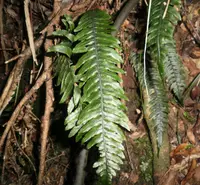
Remove older, yellowing fronds by cutting them cleanly at the base with sterilized pruners to improve airflow through the crown and reduce fungal issues.

Mulch management

Apply a 3–5 cm layer of fine bark or leaf mold around, but not touching, the crown to keep roots cool and moist while preventing rot at the growing point.

Root-zone cooling

In warm regions, plant on the east or north side of a structure or larger shrubs so the root zone stays cooler and more stable across seasons.

Moisture monitoring

In outdoor beds, push a finger or moisture probe 5–8 cm into the soil near the root zone after hot or windy days to decide whether an extra deep watering is needed when caring for Rereti.

Common Pests and Diseases

Scale insects

These insects attach tightly to the frond midribs and stems, sucking sap and causing yellowing, stunted growth, and sticky honeydew on Blechnum chambersii. Infestations are more common on plants grown in sheltered, warm positions or indoors.

Solution

Prune and discard heavily infested fronds, then wipe remaining scale with a cotton pad dipped in isopropyl alcohol or insecticidal soap. For larger outdoor clumps, spray the undersides of fronds thoroughly with a horticultural oil, repeating every 7–10 days until new growth appears clean, and improve air movement around the plant.

Soft aphids

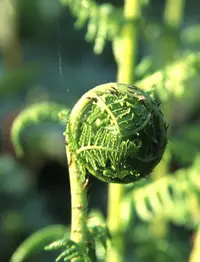
These insects cluster on young croziers (unfurling fronds) and tender stems, causing distortion, pale growth, and sticky residue that can attract sooty mold. Symptoms include curling new fronds and a general decline in vigor during flushes of new growth.

Solution

Rinse colonies from fronds with a firm stream of water, then treat remaining insects with insecticidal soap, ensuring coverage of the undersides and emerging fronds. Encourage natural predators outdoors and avoid high-nitrogen fertilization, which promotes the very soft growth aphids prefer when growing Rereti.

Fern rust

This disease produces orange to brown powdery pustules on the undersides of fronds, sometimes with yellowing patches on the upper surface. Severely affected fronds may dry and die back prematurely, especially in dense, humid plantings.

Solution

Remove and dispose of affected fronds promptly, avoiding composting, and thin crowded clumps to improve air circulation and faster drying of foliage. In persistently wet climates, avoid overhead watering, water at soil level early in the day, and use a labeled fungicide for rust on ferns if cultural measures do not stop new infections.

Rhizoctonia crown rot

This disease attacks the crown and basal frond bases, leading to a soft, brown, sunken area at the plant center and collapse of young fronds. Symptoms include a foul smell from the crown and poor recovery of new growth after wet periods or waterlogging.

Solution

Cut away and discard all soft, rotted tissue, trimming back to firm, clean tissue, and improve drainage by raising the planting area or using a lighter, free-draining mix in containers. Reduce watering so the crown can dry slightly between waterings, avoid burying the crown too deeply, and discard plants that do not stabilize, to prevent spread to nearby ferns.

Slug and snail damage

These pests feed on tender emerging fronds and leaflet margins, leaving irregular holes, shredded tips, and slime trails, especially in damp, shaded plantings. Young plants and fresh croziers are particularly vulnerable and can be deformed by repeated grazing.

Solution

Hand-pick slugs and snails at night or in the early morning, and use physical barriers such as copper tape or sharp grit around susceptible clumps. Place iron phosphate bait stations away from children and pets, keep mulch thin right at the crown, and reduce dense debris where slugs and snails hide during the day.

Interesting Facts

Juvenile fronds differ

Juvenile plants often show more upright, narrowly divided fronds, while mature Blechnum chambersii plants develop broader, more arching fronds, a growth shift that can help botanists distinguish life stages in the field.

New Zealand endemic

This species is naturally restricted to New Zealand, where it occurs in moist forest habitats and contributes to the dense ground fern layer typical of temperate rainforest ecosystems.

Rhizome-based clumping

It forms tight clumps from a short creeping rhizome, which allows the plant to slowly expand across the forest floor while still anchoring firmly in humus-rich soil.

FAQs about Rereti

This fern grows at a moderate rate. In good conditions it slowly forms a low clump, adding frond length and density each year rather than dramatic height. Growth is faster in cool, moist, sheltered garden sites.

Grow Healthy Plants with Botan Care

Keep your plants happy and healthy with plant identification, disease detection, and easy care guidance.

Botan plant care app — identify plants on mobile

Explore More Plants