Java fern Care (Leptochilus pteropus)

Java fern

About Java fern

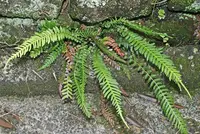
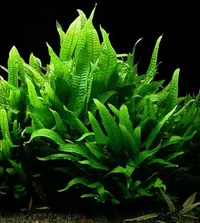
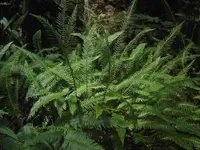
Java fern, Leptochilus pteropus, is an aquatic fern commonly used in freshwater aquariums. It naturally grows on rocks and wood in shaded streams and rivers in Southeast Asia. Its upright, green, strap-shaped fronds form clumps that slowly spread, creating a natural, textured look under water. The plant anchors by rhizomes, which attach to hard surfaces rather than rooting in soil. This species is valued for being adaptable, slow-growing, and tolerant of a wide range of water conditions, which makes it suitable for beginners. Understanding how to care for Java fern mainly involves providing stable water, low to moderate light, and gentle water movement.

Main Plant Requirements

Care Difficulty

Easy Care

Light Preference

Partial Shade

Water Requirements

Aquatic

Temperature Preference

Tropical / Frost Sensitive

Hardiness Zone

Unknown

Soil Texture

Organic-rich, Peaty

Soil pH

Acidic (5.5–6.5), Slightly acidic (6.5–7.0)

Soil Drainage

Waterlogged tolerant

Fertilization

Light (every 4–6 weeks)

Get Personalized Care Plan

Scan your plant to receive care tips personalized for your specific plant

Available on iOS and Android

How to Care for the Java fern

This aquatic fern prefers gentle, indirect light and is sensitive to harsh sun.

  • Provide 6–8 hours of bright, filtered light, such as near a north or east-facing window or under aquarium lights with moderate intensity.
  • Protect Java fern from direct midday or afternoon sun, which can cause leaf burn, transparent patches, and algae growth on fronds.
  • In winter, compensate for shorter days with longer artificial light periods (8–10 hours), but avoid intense, high-heat lighting close to the leaves.

This species is usually grown attached to rock or wood, so water management focuses on moisture and flow rather than soil.

  • Keep Leptochilus pteropus fully submerged or in very moist conditions with gentle water flow; never allow rhizomes to dry out completely.
  • In aquariums, perform partial water changes weekly or biweekly and avoid stagnant water, which encourages rot and algae on fronds.
  • Watch for soft, blackened rhizomes as a sign of rot from poor circulation, and for browning, crisp edges as a sign of prolonged drying or very low humidity.

This fern prefers stable, mild temperatures and reacts poorly to extremes.

  • Aim for 72–79°F (22–26°C) for strongest growth, a range commonly maintained in tropical freshwater aquariums.
  • Tolerates about 68–82°F (20–28°C), but prolonged exposure above 82°F (28°C) can slow growth and stress leaves, especially in low-oxygen water.
  • Avoid temperatures below 64°F (18°C) and protect from rapid swings; this plant is not frost-hardy and should not be exposed to outdoor freezing conditions.

This aquatic fern prefers consistently high humidity to thrive in air-exposed portions.

  • Aim for 60–90% humidity around exposed fronds; submerged parts do not need air humidity management.
  • It tolerates brief dips to 40–50%, but frond tips may brown and curl in very dry air.
  • Increase humidity with a nearby open-top water container, grouping aquatic tanks, or using a lid/hood on a Java fern aquarium.

Leptochilus pteropus is an epiphytic aquatic fern that must not be planted in traditional soil.

  • Attach rhizomes to inert hardscape such as rock, driftwood, or mesh so water flows freely around roots.
  • If using a substrate in the tank, keep the rhizome above it and only allow fine roots to anchor lightly on the surface.
  • Use nutrient-rich aquarium water or root tabs near, but not directly under, attachment points instead of burying any part in soil.
  • Avoid compact or silty substrates that trap debris around the rhizome, as this promotes rot and limits oxygen at the root zone.

This species grows well in containers such as aquariums or paludariums when water movement and attachment surfaces are managed properly.

  • Choose a tank size that allows horizontal spread of rhizomes along rocks or wood without overcrowding other plants or hardscape.
  • Position hardscape so attached plants stay clear of strong filter outlets that could physically stress or uproot them.
  • Use heavier stones or securely fixed driftwood to prevent buoyant pieces from shifting and exposing rhizomes to air in shallow setups.

This aquatic fern has modest nutrient needs, so fertilizing should be light and carefully controlled.

  • Use a balanced NPK aquarium fertilizer at 1/4–1/2 strength, preferably in liquid form rather than heavy root tabs for Java fern rhizomes.
  • Feed every 2–4 weeks during active growth when lighting and CO2 are stable, monitoring for algae blooms.
  • Reduce or stop dosing in winter or low-light periods to prevent stress and excessive algae growth.
  • Avoid placing fertilizer directly on the rhizome; dose the water column and ensure good circulation.

Pruning focuses on removing older fronds to maintain healthy, uncluttered growth in Leptochilus pteropus.

  • Trim dead, yellowing, or heavily algae-covered fronds at their base using clean, sharp aquascaping scissors.
  • Best timing is during active growth, when new fronds are emerging and can quickly replace removed tissue.
  • Thin crowded clumps by removing a few inner fronds to improve light penetration and water movement.
  • Disinfect tools between tanks to reduce the risk of spreading pathogens or algae problems.

This fern is usually attached to hardscape rather than potted, so transplanting focuses on repositioning the rhizome.

  • Move or divide clumps when growth slows, fronds shrink, or the rhizome overgrows its wood or rock support.
  • Choose any mild season with stable tank conditions; avoid major moves right after setup or during algae blooms.
  • Every 1–3 years, gently detach the rhizome, keeping roots and fronds intact, then tie or glue it to fresh hardscape.
  • Reduce stress by limiting exposure to air, handling the rhizome carefully, and keeping lighting moderate for several days after moving.

Propagation of this fern is common and relies mainly on division and plantlets forming on mature fronds.

  • Divide rhizomes in spring or during strong growth, cutting sections with at least 3–4 healthy fronds and several roots.
  • Gently tie or glue divided pieces to rock or wood, keeping the rhizome above the substrate to prevent rot.
  • Collect small plantlets that develop on older fronds once they have tiny roots, then attach them to hardscape.
  • Maintain stable water parameters, moderate light, and gentle flow to support rooting and early establishment.

In heated indoor aquariums, this fern needs little specific winter care beyond stable water conditions.

  • Maintain water temperature within the species’ preferred range, avoiding abrupt drops during colder months.
  • Ensure tank heaters function reliably and use a thermometer to monitor for unexpected temperature swings.
  • Outdoor tubs in cool climates should be dismantled or moved indoors before frost threatens the root system.

Care Tips

Rhizome Positioning

Attach the rhizome loosely to rock, driftwood, or aquarium decor with fishing line or plant clips, making sure it sits on top of the surface rather than buried so it can receive good water flow and avoid rot.

Portion-Based Propagation

When dividing, cut the rhizome into pieces with at least 4–6 healthy leaves and several visible roots, then spread these portions around different hardscape areas to create denser, more stable plant groups.

Flow Optimization

Place plants where there is gentle to moderate water movement across the leaves, avoiding direct outflow jets, to keep biofilm and debris from accumulating while preventing mechanical damage.

Leaf Hygiene Routine

During regular tank maintenance, gently fan or wipe larger leaves with your fingers or a soft brush to remove algae film and trapped detritus, which improves light penetration and gas exchange.

Gradual Light Transition

When upgrading lighting or moving plants closer to the light source, increase light intensity in stages over 1–2 weeks or use floating plants for shading to reduce stress and leaf melt during growing Java fern in new setups.

Common Pests and Diseases

Black beard algae

This pest forms dark, brush-like tufts on older leaves and hardscape, often starting on slow-growing fronds. Symptoms include rough, black to dark gray patches that do not rub off easily.

Solution

Reduce light intensity and duration to moderate levels, stabilize CO2 and nutrients, and increase water changes to limit excess organics. Manually trim heavily infested fronds, gently spot-treat remaining tufts with diluted liquid carbon (glutaraldehyde) using a syringe with filters temporarily switched off, and maintain stable conditions to prevent regrowth.

Rhizome melt

This disease causes the rhizome to soften, turn dark, and disintegrate, leading to fronds yellowing and detaching. Symptoms include a mushy, foul-smelling rhizome and rapid collapse of affected sections.

Solution

Immediately remove and discard all soft or blackened rhizome parts, keeping only firm, green sections. Reattach healthy pieces loosely to rock or wood above the substrate, improve water quality with frequent partial changes, avoid burying the rhizome, and reduce stress by keeping temperature and parameters stable while the plant recovers.

Java fern leaf spot

This disease presents as irregular brown or black spots on older leaves that may spread and cause tissue breakdown. Symptoms include thinning leaf tissue around the spots and fronds that slowly deteriorate rather than producing normal daughter plants from sori.

Solution

Trim and discard badly affected fronds to remove most of the pathogen load, then improve water hygiene with regular gravel vacuuming and 25–40% weekly water changes. Maintain stable temperature and avoid abrupt parameter shifts, and allow new healthy fronds to form before increasing light or nutrients again.

Snail grazing damage

These insects are often small aquatic snails that rasp at soft or aging leaf tissue, leaving translucent patches and irregular holes. Symptoms include slow, uneven damage on older fronds while new growth initially appears intact.

Solution

Manually remove excess snails, reduce overfeeding of fish, and use snail traps or bait to lower populations. Provide the tank with alternative food sources such as blanched vegetables, and remove heavily grazed, decaying fronds to limit attraction while encouraging firm new growth through good Leptochilus pteropus plant care.

Interesting Facts

True aquatic fern

This species is one of the few ferns that can live fully submerged long term, with its fronds adapted to underwater gas exchange and nutrient uptake rather than typical aerial growth.

Rheophytic rock dweller

In nature it often grows attached to rocks and wood in fast-flowing streams on the island of Java and nearby regions, anchoring with tough rhizomes that tolerate strong currents and periodic changes in water level.

Slow, clumping growth

The plant expands by a creeping rhizome that forms dense clumps over hard surfaces, and its naturally slow growth rate makes it long-lived and stable in planted aquariums when conditions are suitable.

Botan icon

Did you know?

This fern can reproduce in aquariums not only by rhizome division but also by forming tiny plantlets directly on older fronds, a process called vegetative propagation, allowing genetically identical offspring to spread without spores.

FAQs about Java fern

Yellowing leaves usually signal nutrient deficiency, low CO2, or older fronds aging out. In aquariums, check for adequate micronutrients, stable parameters, and gentle water flow. Trim old leaves so the rhizome directs energy to new growth.

Grow Healthy Plants with Botan Care

Keep your plants happy and healthy with plant identification, disease detection, and easy care guidance.

Botan plant care app — identify plants on mobile

Explore More Plants