


Regular tip trimming
Pinch or trim stem tips weekly to encourage dense, low growth and prevent the plant from shading its own lower leaves in aquariums or paludariums.


Lindernia rotundifolia is a small, creeping aquatic or semi-aquatic plant often used in freshwater aquariums and paludariums. It forms low, mat-like growth with many fine stems and small, rounded green leaves.
In nature it occurs in wet, tropical and subtropical areas of Asia, usually along stream banks, rice paddies, and other seasonally flooded places. It grows quickly under stable conditions, which makes it useful as a filler or foreground plant.
This species prefers consistent moisture, gentle water movement, and good light, so stable water quality and regular trimming are the main points in how to care for Lindernia rotundifolia.

Care Difficulty
Moderate Care

Light Preference
Partial Shade

Water Requirements
Aquatic

Temperature Preference
Tropical / Frost Sensitive

Hardiness Zone
Unknown

Soil Texture
Loamy, Silty, Organic-rich

Soil pH
Acidic (5.5–6.5), Slightly acidic (6.5–7.0)

Soil Drainage
Waterlogged tolerant

Fertilization
Moderate (every 2–4 weeks)
Scan your plant to receive care tips personalized for your specific plant
Available on iOS and Android
This species prefers soft, consistent light rather than intense direct sun.
This plant naturally favors consistently moist conditions and reacts quickly to drying or waterlogging.
Stable, warm conditions support compact growth and healthy foliage.
This species prefers consistently moist air and reacts quickly to dry conditions.
This plant prefers consistently moist, fine-textured substrate rather than coarse, fast-drying mixes.
This species adapts well to container growing when moisture and stability are managed carefully.
Nutrient support helps Lindernia rotundifolia maintain dense foliage and steady growth, especially in active seasons.
Pruning helps keep Lindernia rotundifolia compact, bushy, and free of weak growth.
Container-grown plants benefit from occasional repotting to maintain healthy roots and stable growth.
New plants are most commonly produced from soft stem cuttings taken from healthy shoots.
This species is sensitive to freezing temperatures and benefits from basic protection in cold climates.

Plant Health Check
Not sure what's wrong with your plant? Check your plant's health inside the app.
This species can grow fully submerged in aquariums or emersed in very wet soil, changing leaf shape and thickness depending on whether it is underwater or above water.
In the wild it is most often found creeping along shallow, slow-moving tropical streams and marshy edges, where its flexible stems tolerate periodic flooding and exposure.
The plant spreads efficiently by creeping stems that root at the nodes, forming dense mats that can stabilize fine, silty substrates in its native habitats.
This species grows relatively quickly under stable warm conditions, often forming a noticeable mat or stem cluster within a few weeks. When caring for Lindernia rotundifolia, consistent moisture, nutrients, and adequate light significantly increase its growth rate and density.
Keep your plants happy and healthy with plant identification, disease detection, and easy care guidance.

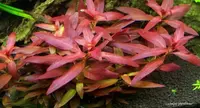
Cylindricfruit Primrose-willow
Ludwigia glandulosa
 POPULAR
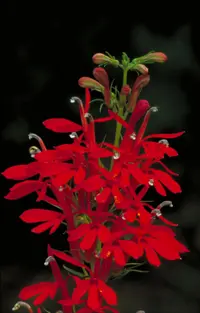
Cardinal flower
Lobelia cardinalis
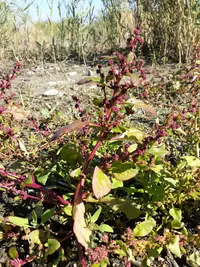
Low Goosefoot
Oxybasis chenopodioides

brownfruit rush
Juncus pelocarpus
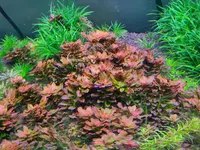
globefruit primrose-willow
Ludwigia sphaerocarpa
lesser bladderwort
Utricularia minor
Water Purslane
Ludwigia palustris
Redcoats
Utricularia menziesii