Coontail Care (Ceratophyllum demersum)

Also known as: coontail, hornworts, coon's tail, common hornwort
Coontail

About Coontail

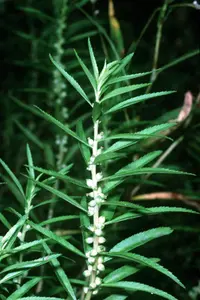
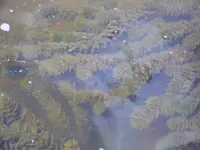
Coontail, or Ceratophyllum demersum, is a submerged freshwater aquatic plant often used in ponds and aquariums. It has long, branching stems covered with dense, whorled leaves that give a soft, feathery look.

This species naturally occurs in still or slow-moving waters across much of the world, where it floats freely or anchors loosely in the sediment. It grows quickly, provides shelter for fish and invertebrates, and helps reduce algae by absorbing excess nutrients.

Because it does not need soil and adapts to a wide range of water conditions, many aquarists find it straightforward to care for Coontail, especially in stable, well-lit tanks.

Main Plant Requirements

Care Difficulty

Easy Care

Light Preference

Partial Sun

Water Requirements

Aquatic

Temperature Preference

Cool Climate

Hardiness Zone

3–11

Soil Texture

Silty, Organic-rich

Soil pH

Slightly acidic (6.5–7.0), Neutral (7.0)

Soil Drainage

Waterlogged tolerant

Fertilization

Minimal (feed rarely)

Get Personalized Care Plan

Scan your plant to receive care tips personalized for your specific plant

Available on iOS and Android

How to Care for the Coontail

This submerged aquatic plant grows best with moderate, stable light rather than intense, direct sun.

  • Provide 4–6 hours of indirect or filtered sunlight daily; morning sun with light afternoon shade suits Coontail in outdoor ponds.
  • In hot summers, protect from strong midday sun using floating plants or partial shade to limit overheating and algae growth.
  • In cooler seasons, ensure plants are not heavily shaded by leaves or covers, or they may elongate, thin out, and lose vigor.

Ceratophyllum demersum needs consistently submerged, clean water rather than traditional soil watering.

  • Maintain the water level so stems stay fully underwater; avoid frequent draining or refilling that exposes foliage to air.
  • Look for pale, shedding needles or decaying stem bases as signs of poor water quality or stagnation; increase filtration or partial water changes instead of adding more water at once.
  • In outdoor ponds, top up slowly during hot periods to offset evaporation, using dechlorinated water to avoid shock from sudden temperature or chemistry shifts.

This aquatic species prefers cool to moderately warm water and reacts poorly to sudden temperature swings.

  • Aim for 64–77°F (18–25°C) for steady growth; 68–73°F (20–23°C) is ideal for dense, healthy foliage.
  • Short exposures down to about 50°F (10°C) are usually tolerated, but hard frost and ice cover can damage or kill tender shoots.
  • In summer, growth slows above 82°F (28°C); provide shade and water movement to limit overheating and prevent stress-related dieback.

Ceratophyllum demersum is a fully aquatic plant, so air humidity is irrelevant as long as the water column is stable.

This species is free-floating or loosely anchored and does not need traditional soil, but it benefits from specific substrate conditions in aquaria and ponds.

  • Use a fine sand or smooth gravel layer (2–5 mm grain) if anchoring stems, avoiding sharp edges that can damage tissues.
  • Maintain moderate organic content via aquarium plant fertilizer or fish waste rather than dense, compacted mud that traps gas pockets.
  • Keep substrate oxygenated by preventing thick sludge build-up; gentle water movement limits anaerobic zones that harm submerged stems.
  • Aim for slightly acidic to neutral conditions around pH 6.5–7.5, avoiding highly alkaline, hard-water setups that promote scale deposits on foliage.

This species grows well in containers such as aquaria, tubs, and ponds when water depth and stability are managed.

  • Use wide, stable containers to prevent floating mats from blocking all surface area and to allow light penetration across the water column.
  • Avoid powerful bottom filters or intakes positioned near stems, as strong suction can tangle or break the delicate shoot system.
  • If anchoring, place stem bases under small stones or plant weights rather than burying deeply, which reduces light to lower nodes and causes decay.

This submerged aquatic plant has low nutrient demands and often grows well without added fertilizer in stocked aquariums or ponds.

  • Use a dilute liquid balanced NPK aquarium fertilizer only if growth is pale or stunted and fish load is low.
  • Apply at 1⁄4–1⁄2 label strength every 2–4 weeks during active growth in spring–summer.
  • Avoid root tabs or compost, as Ceratophyllum demersum lacks true roots and absorbs nutrients from the water column.
  • Reduce or stop dosing in winter or when plant growth slows significantly.

Pruning helps manage the fast, trailing growth of Ceratophyllum demersum and maintains good light penetration in aquariums and ponds.

  • Trim long, tangled stems during active growth, typically spring to early fall, to keep plants from shading others.
  • Remove pale, decaying, or algae-covered segments to improve water quality and plant health.
  • Use clean aquascaping scissors or sharp household scissors to avoid crushing stems.
  • Cut just above healthy whorls of leaves; trimming encourages bushier side-shoot development and denser mats.

This rootless aquatic is not conventionally repotted; instead, it is repositioned, thinned, or reanchored when growth becomes dense or shading is excessive.

  • Transplant or rearrange stems when they crowd filters, block light, or slow water circulation.
  • Best timing is during stable, warm conditions in spring–summer to minimize stress.
  • Lift bunches gently, then reanchor a few healthy tops using plant weights, clips, or by tucking into coarse substrate.
  • Avoid drastic disturbance; move sections gradually so remaining stems can adjust to any changes in light and flow.

Ceratophyllum demersum is commonly propagated by stem cuttings taken from healthy, actively growing shoots.

  • Take 10–15 cm tip cuttings in spring–summer when growth is strongest.
  • Use clean scissors, then remove any damaged or heavily algae-covered lower whorls.
  • Simply float the cuttings or lightly weight them so they stay submerged under good light and gentle water movement.
  • Maintain stable water parameters and moderate nutrients; new side shoots and elongation indicate successful establishment.

In many temperate ponds, Coontail overwinters with minimal intervention, especially where water does not freeze solid to the bottom.

  • In outdoor ponds, allow some plant mass to sink naturally; overwintering buds often persist near the bottom.
  • In very cold regions, move a portion to an indoor tank kept above 60°F with adequate light.
  • For shallow containers, ensure enough depth or indoor relocation to prevent complete freezing of the water column.

Care Tips

Use Weighted Anchors

Bundle several stems loosely with inert plant weights or small stones wrapped in aquarium-safe mesh to keep the plant in place until it forms a dense, stable mass.

Strategic Algae Control

Limit intense light directly over dense Coontail clumps and remove older, shaded stems weekly, as this reduces surfaces for algae to colonize without relying on harsh chemicals.

Staggered Harvesting

When thinning growth, remove only 20–30% of the biomass at a time from different areas of the tank or pond so that nutrient uptake and habitat functions remain stable.

Seasonal Biomass Reset

In outdoor ponds, carry out a major trim and removal of excess plant material in late summer to early fall to lower winter dieback debris and help keep water quality stable.

Quarantine New Batches

Place newly purchased stems in a separate, lightly filtered container for 7–10 days to observe for snails, fish parasites, or nuisance algae before introducing them to the main system when caring for Coontail.

Common Pests and Diseases

Hair algae

This pest forms fine, filamentous green strands that tangle around the foliage and block light penetration. Symptoms include slowed growth, thinning stems, and a fuzzy coating that catches debris.

Solution

Manually remove as much algae as possible by twirling it around a stick, reduce excess nutrients by moderating fish feeding, and increase water changes. Improve light balance (avoid long intense lighting periods) and maintain stable CO2 and good water circulation to favor healthy Ceratophyllum demersum plant care over algae growth.

Staghorn algae

This pest appears as coarse, branching gray-green filaments that attach firmly to stems and leaf whorls. Symptoms include rough, antler-like clumps that do not rub off easily and may cause shaded, weakened foliage.

Solution

Trim and remove heavily infested shoots, improve water circulation, and correct imbalances such as high organics and unstable CO2. Spot-treat affected areas outside the tank with diluted liquid carbon or hydrogen peroxide, rinse thoroughly, then replant, while maintaining regular partial water changes to prevent recurrence.

Blue-green algae

This disease-like infestation is caused by cyanobacteria forming slimy, dark green to blue sheets over stems. Symptoms include a strong earthy or musty odor, rapid spread, and smothered, yellowing foliage.

Solution

Manually siphon off as much cyanobacteria as possible, increase water changes, and improve flow and filtration to reduce stagnant areas. Lower excess nutrients from overfeeding, consider a 3–4 day blackout to weaken the growth, and, if severe, use an aquarium-safe cyanobacteria treatment following label directions carefully.

Tissue melt from soft water

This condition occurs when the plant is kept in very soft, mineral-poor water, leading to pale, transparent, or disintegrating whorls. Symptoms include stems that lose rigidity, shed fine leaves, and break apart into fragments.

Solution

Raise general hardness (GH) and carbonate hardness (KH) gradually with aquarium-safe minerals or crushed coral until the plant shows firm, green growth. Avoid sudden temperature or pH swings, remove decaying pieces to protect water quality, and allow new shoots to regrow under more stable, mineral-rich conditions.

Nutrient deficiency chlorosis

Symptoms include pale or yellowing new growth while older parts may remain greener, with overall slow growth and sparse foliage. This often reflects low nitrogen, iron, or micronutrients in the water column, especially in low-fish or lightly stocked tanks.

Solution

Add a balanced aquarium fertilizer formulated for stem plants at the recommended dose, and adjust based on plant response. Maintain moderate fish stocking and feeding for background nutrients, perform regular water changes to avoid imbalances, and prune weak, yellowed stems so new, well-fed shoots can dominate.

Interesting Facts

Rootless underwater specialist

This submerged aquatic plant naturally lacks true roots and instead floats freely or anchors loosely in sediment, absorbing water, nutrients, and dissolved gases across its entire stem and leaf surface.

Allelopathic water defender

It can release chemical compounds into the water that inhibit the growth of microscopic algae, which may help reduce algal blooms and keep water clearer in ponds and slow-moving waterways.

High-oxygen habitat builder

During active growth, it produces substantial oxygen in the water through photosynthesis, creating microhabitats that support aquatic invertebrates, small fish, and amphibian larvae.

Botan icon

Did you know?

Genetic and fossil evidence suggest that this species and its relatives represent one of the few surviving lineages of very early-diverging flowering plants that secondarily returned to a fully aquatic lifestyle, making it a useful model for studying the evolution of angiosperms in water.

FAQs about Coontail

This species performs best outdoors in ponds, lakes, or outdoor tubs with stable water volume. Indoors it often declines due to low light, temperature swings, and limited space, so Coontail indoor care is usually short term only.

Grow Healthy Plants with Botan Care

Keep your plants happy and healthy with plant identification, disease detection, and easy care guidance.

Botan plant care app — identify plants on mobile

Explore More Plants