Common Coralline Care (Corallina officinalis)

Common Coralline

About Common Coralline

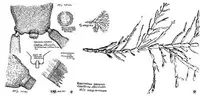
Common coralline, Corallina officinalis, is a small, hard, red alga rather than a true flowering plant. It forms branching, coral-like mats with jointed pink to purple segments that become chalky and pale when dry.

This species usually grows on rocky shores in the intertidal zone of cool, temperate coasts, especially in the North Atlantic. It tolerates strong waves and regular exposure to air, which makes it quite resilient in marine aquaria.

Those conditions also explain why it can be challenging to care for Common Coralline outside a stable saltwater system. It prefers clean, well-oxygenated seawater, moderate light, and surfaces with good water movement.

Main Plant Requirements

Care Difficulty

Hard Care

Light Preference

Full Sun

Water Requirements

Aquatic

Temperature Preference

Cool Climate

Hardiness Zone

Unknown

Soil Texture

Rocky, Sandy

Soil pH

Slightly alkaline (7.0–7.5), Alkaline (7.5–8.5)

Soil Drainage

Waterlogged tolerant

Fertilization

Minimal (feed rarely)

Get Personalized Care Plan

Scan your plant to receive care tips personalized for your specific plant

Available on iOS and Android

How to Care for the Common Coralline

This marine red alga relies on strong natural light but still benefits from some protection from intense midday sun.

  • Aim for 6–10 hours of bright, unshaded light in shallow coastal water or well-lit reef tanks, simulating clear coastal conditions for Common Coralline growth.
  • Provide partial shade during the highest sun angle; filtered or indirect light during midday reduces bleaching and pigment loss on exposed surfaces.
  • In seasons or locations with low light, position closer to the light source; in high-sun climates, increase shading or depth slightly to prevent stress.

This species is adapted to constant seawater movement rather than freshwater-style soil watering cycles.

  • Maintain continuous submersion in clean, well-oxygenated seawater with moderate flow; avoid stagnant conditions, which promote film algae and tissue decay on Corallina officinalis.
  • In aquaria, keep salinity and water level stable; sudden drops exposing fronds to air for long periods cause drying and pale, brittle segments.
  • Watch for dark, slimy patches as a sign of poor water quality and for whitening or crumbling tips as a sign of prolonged exposure or insufficient circulation.

This intertidal alga tolerates a broad temperature range but stays healthiest in cool to mild waters.

  • Target an optimal range of 50–64°F (10–18°C) for steady growth, similar to temperate coastal conditions where this species naturally dominates.
  • Short exposures down to about 39°F (4°C) are usually tolerated, but extended periods near freezing slow growth and can damage newly formed tissue.
  • Limit sustained warmth above 72°F (22°C); prolonged heat above 75°F (24°C) combined with strong light increases stress, bleaching, and eventual segment loss.

This marine red alga relies on constant submersion in seawater rather than aerial humidity.

Corallina officinalis anchors to hard substrates and does not use terrestrial soil.

  • In nature it grows attached to rock, shell, or other firm marine surfaces, so no potting mix is needed or useful.
  • If maintained in a marine system, focus on stable salinity and water movement instead of any soil-like substrate.
  • Avoid burying holdfasts in sand or gravel, which can smother tissue and trap debris, encouraging decay.

This species is suitable only for specialized marine aquaria or seawater systems, not conventional plant containers.

  • Use a stable, weighty base rock in the tank so the thallus remains secure against strong water flow and does not tumble.
  • Position pieces in areas with moderate flow so surfaces stay clean without being physically damaged by constant turbulence.
  • Avoid placing it in deep substrate zones where detritus accumulates, as trapped organic matter can foul surrounding seawater.

This calcified marine alga usually gains enough nutrients from clean, mildly nutrient-rich seawater and needs no additional fertilization in natural or well-balanced marine systems.

Pruning is not part of standard care for Corallina officinalis, as thalli naturally break and renew in the surf zone without intervention.

In aquaria or marine culture systems, this species is managed more through placement than traditional repotting or transplanting.

  • Shift colonies only if shaded out or overgrown by other algae, or if growth slows despite stable water quality and light.
  • Move fronds or encrusted pieces during mild conditions, avoiding strong temperature or salinity swings on the same day.
  • Handle carefully to limit breakage, and keep the alga submerged or wrapped in soaked marine substrate during transfers.
  • Anchor pieces onto stable live rock or marine-safe rubble to reduce movement stress and support reattachment of holdfasts.

Propagation of Corallina officinalis under controlled conditions is specialized and not typically attempted by casual keepers.

In natural coastal habitats this marine red alga is cold hardy and needs no special winter care.

Care Tips

Stabilize Rock Base

Attach fronds to a stable, calcium-rich rock or coral rubble with reef-safe epoxy or elastic mesh so the holdfast can anchor firmly and withstand wave or pump flow in a marine tank.

Optimize Water Movement

Position fronds in an area of moderate, indirect current rather than direct jet flow to reduce mechanical breakage while still delivering nutrients and oxygen across the thallus surface.

Maintain Calcium Levels

Use a reliable marine test kit and keep calcium and alkalinity within reef-safe ranges, adjusting with appropriate supplements so new calcified segments form dense, bright growth rather than becoming brittle and pale.

Control Grazers Strategically

Limit or exclude strong herbivores such as some urchins and large grazing snails from the area where you grow Corallina officinalis, using rock placement or zoned sections in the tank to prevent overgrazing of young fronds.

Encourage Fragment Colonies

Collect healthy broken fragments during maintenance and secure them in crevices or onto frag plugs, which can speed up colony spread and provide a backup population if older sections are damaged.

Common Pests and Diseases

Epiphytic filamentous algae

This disease appears as soft, green or brown hair-like growth covering the rigid, calcified fronds. Symptoms include shading of the thallus, reduced photosynthesis, and gradual weakening or partial smothering of the alga.

Solution

Improve local water movement to reduce stagnation, gently rub or brush off loose filaments during low tide or tank maintenance, and limit excess dissolved nutrients from agricultural runoff or overfeeding in aquaria. In closed systems, maintain strong, turbulent flow and stable salinity to favor healthy Corallina officinalis over fast-growing filamentous algae.

Overgrowth by blue-green biofilms

This disease is caused by cyanobacterial films that form dark, slimy patches on the surface, reducing light and gas exchange. Symptoms include dull, discolored fronds with localized dieback where the biofilm is thickest.

Solution

Increase water circulation and reduce organic loading by improving filtration and avoiding overfertilization in marine systems. Gently brush affected surfaces under water and carry out partial water changes; in aquaria, maintaining stable temperature, salinity, and low dissolved nutrients helps suppress cyanobacterial growth as part of Corallina officinalis care.

Herbivory by grazing snails

This pest pressure comes from marine snails that scrape the calcified surface, leaving pale scars and sometimes thinning branch tips. Symptoms include uneven, pitted surfaces and shortened fronds in heavily grazed areas.

Solution

In aquaria or controlled systems, reduce the density of strong-grazing snail species and provide alternative algal food sources to divert feeding. In natural or semi-natural setups, encourage a balanced grazer community and avoid introducing high densities of large herbivorous snails that can focus on coralline surfaces.

Isopod grazing damage

These insects are actually marine crustaceans that can rasp tissue from the surface, creating irregular patches of damage. Symptoms include small, rough lesions on fronds and localized whitening where tissue has been removed.

Solution

Manually remove visible isopods during low tide or routine tank checks and reduce hiding places such as dense detritus or unclean rock crevices. In aquaria, maintain good hygiene, avoid overfeeding, and, if compatible, introduce natural predators like small wrasses to keep isopod populations in check.

Thermal stress bleaching

This disease-like stress response occurs when unusually high temperatures cause loss of photosynthetic pigments, leading to pale or white patches. Symptoms include widespread lightening of color, brittle texture, and slowed growth during or after heat events.

Solution

In aquaria, stabilize temperature within the species’ preferred cool range and avoid rapid spikes from lighting or heaters. In outdoor or coastal culture, provide shading during heatwaves and ensure strong water exchange so cooler water can buffer temperature extremes and help the alga recover.

Interesting Facts

Limestone reef builder

This red alga deposits calcium carbonate in its tissues, helping to cement together rocks and shells and stabilize intertidal reef structures in temperate North Atlantic shores.

Tide pool specialist

It typically forms low mats or branched tufts in the mid- to lower-intertidal zone, tolerating regular exposure to air, wave impact, and rapid shifts in temperature and salinity.

Nursery habitat provider

Its rigid, branched fronds create a three-dimensional microhabitat that shelters small invertebrates and juvenile snails, increasing local biodiversity in rocky shore communities.

Botan icon

Did you know?

Historically, this species was burned to produce a calcium-rich ash used as a source of soda and lime in early glass and soap making along parts of the European Atlantic coast.

FAQs about Common Coralline

This red seaweed has a hard, calcified structure and is not eaten as regular food. It has been used historically as a source of calcium and trace minerals, but any use should follow reliable, region-specific safety guidelines.

Grow Healthy Plants with Botan Care

Keep your plants happy and healthy with plant identification, disease detection, and easy care guidance.

Botan plant care app — identify plants on mobile

Explore More Plants