


Substrate Anchoring
Use a fine-grained sand or sand–soil mix and plant stems at a slight angle, burying the bottom 2–3 nodes to help the plant root firmly and resist being uprooted by fish or water flow.

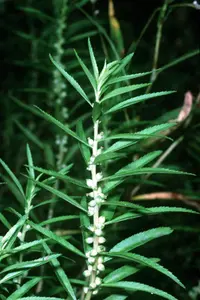
Marsh mermaid weed (Proserpinaca palustris) is an aquatic and semi-aquatic plant often used in freshwater aquariums and natural pond edges. It has finely divided, feathery submerged leaves that can turn bronze to reddish under strong light, giving a delicate, textured look.
This species is native to wetlands, marshes, and slow-moving waters in North America, where it forms low, spreading stands. It can be moderately demanding because it reacts strongly to changes in water quality, nutrients, and light.
Once conditions are stable, it grows steadily and responds well to regular trimming. Understanding how to care for marsh mermaid weed starts with providing consistent moisture, clean water, and moderate to bright light.

Care Difficulty
Moderate Care

Light Preference
Full Sun

Water Requirements
Aquatic

Temperature Preference
Cool Climate

Hardiness Zone
3–9

Soil Texture
Sandy, Loamy, Silty

Soil pH
Acidic (5.5–6.5), Slightly acidic (6.5–7.0)

Soil Drainage
Waterlogged tolerant

Fertilization
Light (every 4–6 weeks)
Scan your plant to receive care tips personalized for your specific plant
Available on iOS and Android
This aquatic and marginal plant needs strong light to maintain compact growth and good coloration.
This species is adapted to saturated, shallow water conditions rather than intermittently dry soil.
This wetland plant prefers mild to warm conditions but can tolerate a fair amount of seasonal variation.
This aquatic species prefers consistently high humidity around its leaves and stems.
This species grows best in soft, organic-rich, waterlogged substrates rather than typical potting soil.
This species is suitable for container growing in tubs, ponds, or aquaria.
This aquatic native needs only modest feeding in containers or nutrient-poor setups, despite thriving in many natural habitats without added fertilizer.
Pruning Proserpinaca palustris helps maintain compact growth, light penetration, and healthy new shoots in aquariums or ponds.
This species is usually grown submerged, so transplanting rooted stems or clumps matters more than classic repotting.
Proserpinaca palustris is commonly multiplied from stem cuttings under stable aquatic conditions.
This hardy aquatic often survives cold winters outdoors, though container-grown plants may need extra attention.

Plant Health Check
Not sure what's wrong with your plant? Check your plant's health inside the app.
This species shows strong heterophylly, producing finely divided submerged leaves underwater and very different, simple serrated leaves when emersed in shallow or drying habitats.
When grown emersed in full sun on wet shores or ditches, its leaves often turn a distinct coppery to bronze color, a trait used by botanists to distinguish it from related aquatic species.
It naturally occupies marshes, pond margins, slow streams, and ditches across eastern North America, tolerating repeated cycles of flooding and exposure that many other aquatic plants cannot handle.

The small, inconspicuous flowers of this species are adapted for wind or self-pollination in its often open, wet habitats, allowing reliable seed set even when insect pollinators are scarce or conditions are unstable.
Brown, crispy tips usually come from low humidity, high temperatures, or inconsistent water levels around the roots or in the aquarium. Check for strong water flow, mineral buildup, or CO₂ imbalance and correct gradually to avoid shock.
Keep your plants happy and healthy with plant identification, disease detection, and easy care guidance.

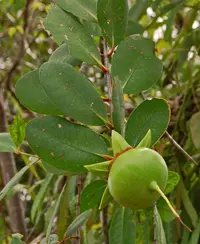
apple mangrove
Sonneratia caseolaris
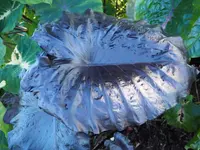
Elephant's Ear
Colocasia 'Electric Blue Gecko'
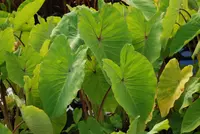
Elephant Ear
Colocasia esculenta 'Elena'
 POPULAR
Anubias barteri
Anubias barteri
river mangrove
Aegiceras corniculatum
broadfruit bur-reed
Sparganium eurycarpum
Elephant's Ear
Colocasia esculenta Royal Hawaiian Blue Hawaii
Elephant Ear
Colocasia esculenta Royal Hawaiian Maui Gold