


Control Spreading
Install a deep root/rhizome barrier or plant into a large submerged container in the bog area to prevent this species from spreading aggressively into nearby wetlands or watercourses.

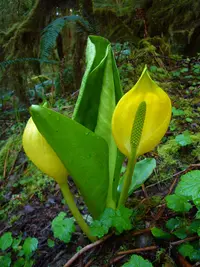
American skunkcabbage, Lysichiton americanus, is a hardy, moisture-loving perennial from wetlands and stream edges in the Pacific Northwest. It forms dense clumps of large, glossy green leaves that can create a strong visual impact in bog gardens and naturalized water edges.
In spring it produces striking yellow, hooded flower structures with a noticeable odor that attract early-season pollinators. Once established, it is long-lived and robust, but it needs constantly damp to wet soil and plenty of space.
Gardeners who care for American skunkcabbage should provide cool conditions, rich organic soil, and full sun to partial shade to keep it vigorous and healthy.

Care Difficulty
Moderate Care

Light Preference
Partial Shade

Water Requirements
Aquatic

Temperature Preference
Cold Hardy

Hardiness Zone
4–7

Soil Texture
Loamy, Silty, Organic-rich

Soil pH
Acidic (5.5–6.5), Slightly acidic (6.5–7.0)

Soil Drainage
Waterlogged tolerant

Fertilization
Minimal (feed rarely)
Scan your plant to receive care tips personalized for your specific plant
Available on iOS and Android
This wetland perennial prefers bright, soft light rather than intense direct sun.
This species is adapted to saturated, boggy conditions and dislikes drying out.
This hardy plant tolerates cool to cold climates but has clear limits at both extremes.
This wetland species prefers very high humidity and saturated conditions rather than typical room air levels.
Lysichiton americanus grows best in permanently wet, organic-rich soil that mimics a natural bog or marsh.
This species can be grown in large containers if they function as mini bogs or shallow water features.
This wetland perennial needs minimal feeding when grown in rich, organic soil.
Lysichiton americanus needs only light, hygienic pruning to keep clumps tidy and healthy.
This species is usually grown in the ground in wet sites; transplanting is done infrequently and with care.
This plant is most often propagated by seed or careful division of established clumps.
This cold-hardy wetland perennial generally needs little special winter care in most temperate climates.

Plant Health Check
Not sure what's wrong with your plant? Check your plant's health inside the app.
The flowering structure can produce its own heat, a process called thermogenesis, which helps volatilize its skunky scent and can slightly warm visiting insects in cool spring weather.
It flowers very early in spring, often before most other wetland plants leaf out, attracting early-emerging flies and beetles that are drawn to its strong odor and bright yellow spathe.
Its large root system and dense clumps help stabilize saturated soils in bogs and fens, trapping organic matter and contributing to the structure of Pacific Northwest wetland habitats.

In parts of Europe, this North American species has become an invasive plant in wetlands, spreading from ornamental plantings and forming large stands that can displace native marsh and bog vegetation.
This species spreads by both seed and creeping rhizomes. In wet, mild regions it can form large colonies and displace other plants. Many areas classify it as invasive, so always check local regulations before planting.
Keep your plants happy and healthy with plant identification, disease detection, and easy care guidance.

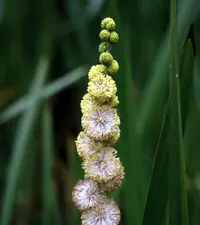
broadfruit bur-reed
Sparganium eurycarpum
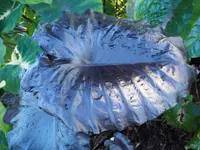
Elephant's Ear
Colocasia 'Electric Blue Gecko'
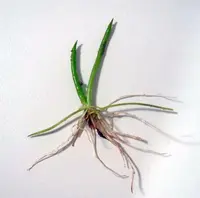
Shoreweed
Littorella uniflora
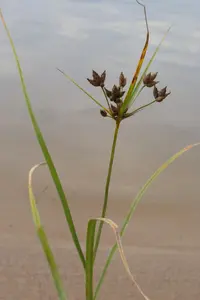
inland club-rush
Bolboschoenus laticarpus
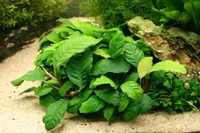 POPULAR
Anubias barteri
Anubias barteri
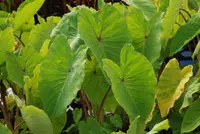
Elephant Ear
Colocasia esculenta 'Elena'
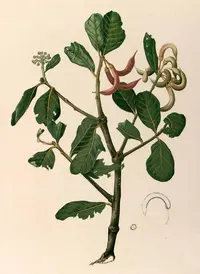
river mangrove
Aegiceras corniculatum
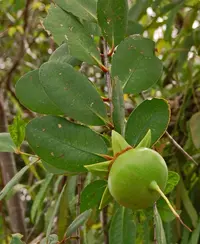
apple mangrove
Sonneratia caseolaris