Shoreweed Care (Littorella uniflora)

Also known as: American shoreweed, American Shore-grass
Shoreweed

About Shoreweed

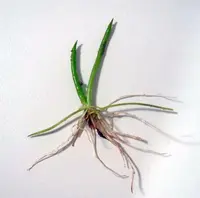
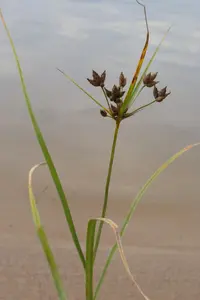
Shoreweed, Littorella uniflora, is a small aquatic or semi-aquatic plant that forms low rosettes of narrow, grass-like leaves. It often grows partly submerged along lake edges, ponds, and slow streams, rooting in sandy or gravelly bottoms. Native to cool, temperate regions, it is common in nutrient-poor, clean waters, which makes water quality an important factor in how easy it is to maintain. The plant stays compact, spreads gradually, and can create a simple underwater or shoreline carpet. For those who want to care for Shoreweed, it generally prefers bright light, stable moisture, and low-nutrient, slightly acidic substrates.

Main Plant Requirements

Care Difficulty

Hard Care

Light Preference

Full Sun

Water Requirements

Aquatic

Temperature Preference

Cold Hardy

Hardiness Zone

5–9

Soil Texture

Sandy, Loamy, Organic-rich

Soil pH

Strongly acidic (4.5–5.5), Acidic (5.5–6.5)

Soil Drainage

Waterlogged tolerant

Fertilization

Minimal (feed rarely)

Get Personalized Care Plan

Scan your plant to receive care tips personalized for your specific plant

Available on iOS and Android

How to Care for the Shoreweed

This aquatic species prefers bright, cool conditions with consistent, moderate light exposure.

  • Provide 4–6 hours of direct morning sun with light shade or filtered light in the afternoon, especially in warm climates.
  • Tolerates partial shade (2–4 hours of sun) but very deep shade leads to weak, stretched leaves and thinning patches of Shoreweed.
  • In summer, protect from intense midday sun to prevent leaf bleaching; in winter, choose the brightest available spot so growth can continue slowly.

This species is adapted to saturated substrates and very stable moisture levels.

  • Grow Littorella uniflora with its roots in permanently wet sand or fine gravel; the substrate should never dry out beyond the top 0.5–1 cm.
  • Use low-flow, clean, low-nutrient water where possible; cloudy or foul-smelling water often signals decaying material and reduced root health.
  • In outdoor ponds, monitor in hot, windy weather for dropping water levels; in cooler seasons, maintain depth but avoid sudden, large water-temperature shifts.

This cool-temperate aquatic plant prefers moderate conditions and tolerates a broad outdoor range.

  • Ideal growth occurs around 50–68°F (10–20°C), where leaves stay compact and rooting is strong.
  • Mature plants usually tolerate short dips near 32°F (0°C) under water, but repeated hard frost on exposed, emersed foliage can cause leaf dieback.
  • In hot spells above 77–82°F (25–28°C), increase water depth or water movement to limit overheating stress and reduce the risk of sudden decline.

This aquatic marginal plant prefers high, stable humidity typical of pond edges or shallow aquaria.

  • Aim for 70–100% humidity by growing Shoreweed in or at the edge of water rather than in open, dry air.
  • Dry indoor air causes leaf tip browning, shrinking rosettes, and slower growth as tissues lose moisture balance.
  • Increase humidity by using an open-top aquarium, water tray, or bog container that keeps air moist directly around the foliage.

This species grows best in saturated, sandy to fine-gravel substrates that stay wet but not anaerobic.

  • Use a mix of 60–80% washed sand with fine gravel and 20–40% low-nutrient aquatic plant soil or sifted loam to anchor Littorella uniflora.
  • Maintain constant saturation or shallow submersion so the substrate never dries, while avoiding deep, stagnant water that excludes oxygen from roots.
  • Keep pH slightly acidic to neutral, around 6.0–7.2, which supports nutrient uptake without encouraging nuisance algae.
  • Avoid heavy clay, peat-only, or highly organic potting mixes that compact under water and create oxygen-poor, sulfur-smelling conditions.

This species is suitable for container growing in shallow water gardens, tubs, or aquaria.

  • Choose a wide, shallow container so the plant can spread horizontally and form a low carpet without developing overly deep, low-oxygen substrate layers.
  • Use a stable, heavier container material when placing it outdoors to prevent tipping in wind or when the water level is high.
  • Position the container so the rim is just above water level, which keeps substrate in place while allowing easy control of water depth over the foliage.

This aquatic species needs very little feeding, as it is adapted to nutrient-poor shorelines and substrates.

Pruning needs for Littorella uniflora are minimal and mainly cosmetic.

  • Trim only dead, decaying, or algae-covered leaves at any time of year using small scissors or aquascaping tweezers.
  • Remove loose, floating debris to keep water quality high and reduce disease risk.
  • If grown in aquaria, thin out congested patches to maintain light penetration and stable water flow.

Transplanting is more relevant than repotting for this shallow-rooted shore and aquarium plant.

  • Plan moves in spring or early summer, when growth is active and recovery is quick.
  • Transplant when clumps become too dense, growth stalls, or plants shade each other in the foreground.
  • Lift small mats gently, keeping roots and attached sediment intact to limit shock.
  • Replant in shallow, clean sand or fine gravel and keep water conditions stable for several weeks.

This plant is commonly propagated by division of small clumps rather than by seed in home culture.

  • Divide established mats in spring or early summer, when water temperatures are stable and growth is steady.
  • Gently separate rosettes so each division has healthy roots and a small section of substrate attached.
  • Replant divisions 2–3 cm apart in clean sand or fine gravel for good spreading.
  • Maintain consistent water level, gentle flow, and moderate light to support rooting and new growth.

In ponds and naturalistic setups, this hardy species usually needs little special winter care where water does not freeze solid.

  • Shoreweed in outdoor ponds tolerates light to moderate frost if submerged or in saturated soil.
  • In very cold regions, move container-grown plants to an unfrozen, cool, bright indoor tank or trough.
  • Avoid disturbing roots in late fall so plants enter dormancy with minimal stress.

Care Tips

Substrate grain size

Use a fine, clean sand or very fine gravel (0.5–2 mm) so the short roots can anchor firmly and spread laterally without rotting in compacted or muddy substrates.

Water flow management

Provide gentle, laminar water movement rather than strong currents, which helps deliver oxygen and nutrients to the leaves while preventing the delicate rosettes from being uprooted.

Gradual emersion shifts

If transitioning between submerged and emersed culture, lower or raise the water level over 5–7 days to avoid shock, allowing the plant time to form leaves adapted to the new conditions.

Nutrient zoning

Place this plant in nutrient-poorer zones of the aquarium or pond margin and keep heavy root feeders elsewhere, which reduces competition and supports a denser mat when growing Shoreweed as a foreground or shoreline cover.

Periodic thinning

Thin out older, crowded patches by gently lifting and replanting small rosettes every few months to maintain good water circulation, prevent debris buildup, and encourage new, vigorous growth.

Common Pests and Diseases

Algae overgrowth

Symptoms include green or brown slimy layers forming on leaves, runners, and surrounding substrate, often shading the plant and slowing growth. This issue is common in nutrient-rich, shallow aquatic setups with strong light and still water.

Solution

Reduce light intensity or shorten the photoperiod to 6–8 hours, increase gentle water movement, and limit excess nutrients by moderating fish load and feeding. Manually remove algae from leaves with a soft brush or fingers, perform regular partial water changes, and, if kept in an aquarium, balance plant mass and fertilization so faster-growing species help compete with algae.

Aquatic snails

These insects are absent, but small aquatic snails can graze on tender new leaves and disturb shallow roots while foraging in the substrate. Damage appears as small holes, shredded leaf tips, or uprooted plantlets in densely planted edges and aquaria.

Solution

Physically remove snails by hand or with snail traps and reduce overfeeding of fish, which fuels snail population growth. For aquarium setups, introduce natural predators compatible with the tank (such as certain snail-eating fish) or temporarily relocate shoreweed and treat the system with a snail-safe control product, following aquarium-specific Littorella uniflora care instructions.

Aquatic fungal leaf spots

This disease produces translucent, pale, or brown water-soaked patches on submerged leaves, which later disintegrate and break away. It tends to appear after mechanical damage, sudden temperature changes, or poor water quality.

Solution

Remove and discard affected leaves to reduce spore load, then stabilize water temperature and improve water quality with regular partial changes. Avoid sudden shifts in hardness or pH, minimize mechanical damage when cleaning, and ensure moderate water movement so debris does not settle on foliage.

Epiphytic biofilm

Symptoms include a thin, cloudy or whitish film and fine debris coating leaves and runners, which interferes with gas exchange and photosynthesis. This growth is a mix of bacteria, microalgae, and organic particles that thrives in low-flow, nutrient-rich shallow water.

Solution

Increase gentle circulation to keep particles suspended for filtration and siphon debris from the substrate surface. Gently rinse or brush the plant under tank water during maintenance and reduce organic load by cutting back on feeding, cleaning filters regularly, and removing decaying plant material.

Interesting Facts

Amphibious growth form

This species naturally grows along fluctuating lake and pond margins and can live both submerged under water and emersed with leaves in the air, adjusting its form to each condition.

Extreme oligotrophic specialist

Littorella uniflora is tightly associated with very nutrient-poor, soft-water lakes, where its ability to tolerate low nitrogen and phosphorus allows it to dominate shorelines that exclude many other plants.

Underwater pollination strategy

Although it bears small, inconspicuous flowers, this plant can release pollen that moves through shallow water or at the water surface, an unusual reproductive strategy among flowering shore plants.

Botan icon

Did you know?

Fossil evidence and historical records from Europe show that Littorella uniflora has retreated from many former sites as lakes became more nutrient-enriched, making it a recognized indicator species for long-term water quality change in some regions.

FAQs about Shoreweed

This species spreads slowly by short runners and forms low, compact mats rather than fast, invasive carpets. It usually stays where planted, especially in low-nutrient substrates, and is easy to control with occasional thinning.

Grow Healthy Plants with Botan Care

Keep your plants happy and healthy with plant identification, disease detection, and easy care guidance.

Botan plant care app — identify plants on mobile

Explore More Plants