fringed heartwort Care (Ricciocarpos natans)

Also known as: purple-fringed riccia
fringed heartwort

About fringed heartwort

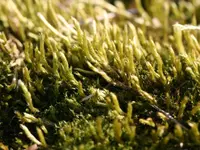
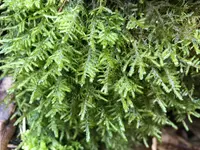
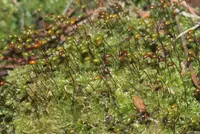
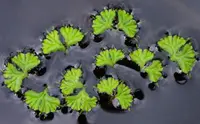
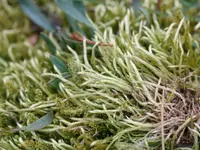
Fringed heartwort, Ricciocarpos natans, is a floating liverwort, a simple non-vascular plant often used in aquariums and outdoor water features. It forms small, flat, fan-shaped rosettes with fringed edges that spread across still or slow-moving water surfaces.

In nature, it occurs in ponds, ditches, and calm backwaters across temperate and subtropical regions. It grows quickly under stable conditions, which makes it relatively easy to manage but also prone to covering the water surface if not thinned.

This plant prefers calm, nutrient-rich water, gentle light, and consistent moisture. Understanding these basic needs helps clarify how to care for fringed heartwort in home setups.

Main Plant Requirements

Care Difficulty

Moderate Care

Light Preference

Partial Shade

Water Requirements

Aquatic

Temperature Preference

Cool Climate

Hardiness Zone

Unknown

Soil Texture

Silty, Peaty, Organic-rich

Soil pH

Slightly acidic (6.5–7.0), Neutral (7.0)

Soil Drainage

Waterlogged tolerant

Fertilization

Minimal (feed rarely)

Get Personalized Care Plan

Scan your plant to receive care tips personalized for your specific plant

Available on iOS and Android

How to Care for the fringed heartwort

This floating liverwort prefers gentle, indirect light that mimics the dappled sun of slow streams and ponds.

  • Provide bright shade or filtered light, such as 2–4 hours of soft morning sun with protection from intense midday and afternoon rays.
  • In outdoor ponds, position fringed heartwort where taller plants or structures break direct sun, especially in summer, to reduce burn and overheating.
  • If growth becomes pale or elongated, light is likely too low; if fronds bleach or turn brown at the edges, light is too strong and should be reduced.

This aquatic species must stay continuously submerged in clean, low-nutrient water rather than typical potting soil.

  • Maintain water depth so fronds float freely without drying; do not allow the water surface around the plant to recede or expose it to air for more than a brief period.
  • Use still or very slow-moving water; strong currents or splashing can break Ricciocarpos natans into fragments and reduce healthy mat formation.
  • Watch for stress signs: browning, slimy decay, or foul smell indicate stagnant, nutrient-heavy water, while crisp, shrinking fronds suggest desiccation or excessive evaporation.

This species thrives in cool to mild water and air temperatures typical of temperate ponds.

  • Aim for an optimal water temperature of 64–77°F (18–25°C), where growth is steady and fronds remain firm and green.
  • Below about 50°F (10°C), growth slows markedly and prolonged exposure near freezing can kill tissue, especially if combined with ice formation or strong wind.
  • In summer, growth may decline above 82–86°F (28–30°C); provide shade and good aeration to limit overheating and prevent sudden temperature spikes.

This floating liverwort needs very high humidity and constant moisture to stay healthy.

  • Aim for 80–100% humidity by keeping the plant in shallow water or a covered, humid tank.
  • It does not tolerate dry air; fronds quickly curl, pale, and shrink when humidity drops.
  • Increase humidity with covered aquariums, tight-fitting lids, or plastic domes that still allow some air exchange for fringed heartwort.

Ricciocarpos natans grows best anchored to fine substrates rather than traditional potting soil.

  • Use shallow trays or aquariums with a thin layer of fine sand, silt, or aquatic-plant substrate under 2–5 cm of water.
  • Maintain very slow water movement and avoid compacted or muddy bottoms that can trap and smother the thalli (leaf-like bodies).
  • Keep pH slightly acidic to neutral, around 6.0–7.2, by avoiding strongly calcareous gravel or shells that raise alkalinity.
  • Add a small amount of well-rinsed aquatic plant soil or leaf-mold mud under the sand to provide nutrients without creating thick sludge.

This species is suitable for container culture in shallow trays or aquariums.

  • Choose wide, shallow containers so the floating mats can spread without shading themselves too deeply.
  • Use rigid glass or acrylic tanks to minimize surface disturbance that can break or strand the floating fronds.
  • Leave a few centimeters of air space between water surface and lid to allow gas exchange while limiting evaporation.

Ricciocarpos natans usually needs very little added nutrition when grown in low-nutrient, clean water.

  • If growth is pale or stunted, use a very dilute aquatic plant fertilizer or balanced 5-5-5 NPK at 1/4–1/8 strength.
  • Feed lightly every 4–6 weeks in the main growing season, watching for algae growth.
  • Avoid fertilizing in winter or when growth is very slow, since excess nutrients degrade water quality.
  • Rinse or change water if fertilizer builds up, and avoid manure or rich compost blends.

Pruning for Ricciocarpos natans mainly means thinning and removing excess or unhealthy fronds to keep water surfaces balanced.

  • Trim away dead, decaying, or discolored thalli with fine aquascaping scissors or fingers.
  • Thin crowded mats during warm seasons to maintain light and oxygen exchange at the water surface.
  • Removing extra growth helps control spread, improves appearance, and supports healthier, more vigorous new segments.
  • Skim off floating debris after trimming to prevent rot and water quality decline.

This floating liverwort does not need traditional repotting but benefits from thoughtful transplanting between water containers.

  • Move plants when growth slows, water quality declines, or containers become overgrown with a dense mat.
  • Transplant in mild seasons and avoid sudden temperature or pH shifts between the old and new water.
  • Gently lift Ricciocarpos natans with a fine net or fingers, supporting the fronds to prevent tearing.
  • Acclimate by floating it first in the new container for 15–30 minutes so tissues adjust with minimal stress.

Propagation of this floating liverwort relies on simple division of the mat rather than seeds or cuttings in the usual sense.

  • Split healthy mats into small sections, each with several intact lobes or fronds.
  • Carry out division during warm, bright months when growth is active for faster establishment.
  • Place each piece gently on the water surface in clean, nutrient-poor, still or very slow-moving water.
  • Provide bright, indirect light and stable temperature to encourage spreading, as in basic Ricciocarpos natans plant care.

This aquatic liverwort dislikes freezing and needs consistent liquid water over winter.

  • In regions with frost, grow Ricciocarpos natans in containers that can be moved indoors before temperatures drop below 40°F.
  • Overwinter indoors in an unheated room or cool aquarium where water stays above 45–50°F.
  • Use simple aquarium lighting or bright window light to maintain slow but stable growth through winter.

Care Tips

Anchoring to Substrate

Place a few small, rinsed pebbles or mesh pieces on top of floating mats in high-flow tanks to prevent the plant from clustering around filters or overflows.

Light Access Management

Regularly thin out dense surface mats so light can still reach submerged plants below, removing about 20–30% of the biomass at a time rather than stripping the surface bare.

Nutrient Load Control

In nutrient-rich aquaria, harvest excess growth weekly and perform small, frequent water changes (10–15%) to prevent sudden dieback from rapid nutrient depletion.

Flow Pattern Adjustment

Use baffles, spray bars, or sponge-filter outlets to create gentle surface circulation that keeps rosettes moving slowly without pushing them into corners or trapping them on intakes when growing fringed heartwort.

Quarantine New Additions

Hold new fragments in a separate container for 1–2 weeks, inspecting for snails, algae, or duckweed before adding them to a display tank to reduce pest and contamination risks.

Common Pests and Diseases

Algal overgrowth

This disease appears as slimy green films or clumps coating the thallus surface and water, blocking light and gas exchange. Symptoms include yellowing, thinning, or disintegration of the floating mats.

Solution

Reduce light intensity and duration, increase partial shade, and limit excess nutrients by cutting back on fertilization and performing small, frequent water changes. Manually remove algae with a soft net or tweezers, thin the Ricciocarpos mat to improve circulation, and, if needed, use an aquarium-safe algae control product at reduced dose while monitoring the plant closely.

Snail grazing

These insects are not involved; instead, aquatic snails rasp the soft tissue, leaving irregular holes, shredded margins, or rapidly thinning mats. This pest often builds up in small tanks or ponds with abundant organic debris.

Solution

Hand-remove visible snails and jelly-like egg clusters, and reduce hiding places by cleaning detritus from the bottom. For heavier infestations, use physical barriers like fine mesh, introduce a limited number of snail-eating fish where appropriate, or apply an aquarium-safe snail trap, always monitoring the Ricciocarpos for stress.

Aquatic aphids

These insects cluster on moist upper surfaces and margins, sucking sap and causing pale spots, curling, or local collapse of the thallus. Honeydew deposits can promote secondary sooty growth on floating leaves or nearby emergent plants.

Solution

Gently rinse the plant mats in clean, dechlorinated water and skim off affected portions, then improve air movement above the water to make conditions less favorable. In non-fish setups, a dilute insecticidal soap dip (tested on a small portion first) can be used, followed by thorough rinsing, while in aquariums, manual removal and biological control with small aphid-eating insects or fish is safer.

Fungal thallus rot

This disease develops as soft, brown, waterlogged patches that spread through the thallus, causing sections of the mat to break apart and sink. Symptoms include a musty odor and rapid loss of healthy green tissue, especially in stagnant, nutrient-rich water.

Solution

Remove and discard all visibly affected fragments, thin overcrowded mats, and increase gentle water movement with an air stone or small filter. Perform partial water changes, reduce organic waste and fertilization, and, in non-animal systems, consider a mild aquarium-safe fungicide, testing on a small portion first and monitoring closely as part of broader Ricciocarpos natans plant care.

Interesting Facts

Floating yet amphibious

This species is unusual among liverworts because it can grow both freely floating on the water surface and attached to wet mud, adjusting its morphology depending on whether it is submerged or emersed.

Fringed air chambers

The thallus has distinctive purple underside scales and deeply fringed dorsal air chambers, which increase gas exchange and help the plant stay buoyant at the water surface.

Worldwide but uncommon

Although it occurs across much of Europe, Asia, Africa, and the Americas, it is often scattered and local, typically restricted to calm, nutrient-rich ponds, ditches, and rice fields.

Botan icon

Did you know?

This is the only species in its genus, and molecular studies place it as a very isolated lineage within the family Ricciaceae, making it an evolutionarily distinct branch among floating liverworts.

FAQs about fringed heartwort

This small floating liverwort generally performs better outdoors in calm ponds, tubs, and water gardens with stable water quality. Indoors, growth is possible in aquariums or bowls, but light, nutrients, and water cleanliness must be controlled carefully.

Grow Healthy Plants with Botan Care

Keep your plants happy and healthy with plant identification, disease detection, and easy care guidance.

Botan plant care app — identify plants on mobile

Explore More Plants