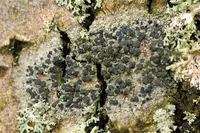
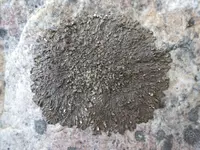
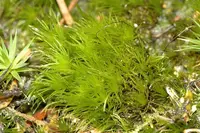
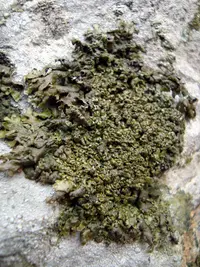
brachythecium moss Care (Brachythecium albicans)

Also known as: Whitish Feather-moss
brachythecium moss

About brachythecium moss

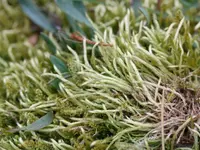
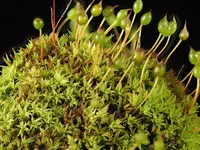
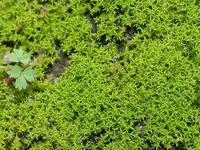
Brachythecium albicans is a small, creeping moss that forms soft, dense mats of fine stems and narrow leaves. It stays low to the surface and often covers rocks, soil, or decaying wood.

This moss is commonly found in temperate regions, especially in open, slightly dry or disturbed habitats such as banks, paths, and thin soils over stone. Its ability to tolerate some dryness makes it more forgiving than many other mosses, though it still prefers steady moisture and mild shade.

Because it has no true roots and absorbs water directly through its leaves, it reacts quickly to changes in humidity and wetness. These traits shape how to care for brachythecium moss in gardens, terrariums, and naturalistic plantings.


Main Plant Requirements

Care Difficulty

Moderate Care

Light Preference

Partial Shade

Water Requirements

Keep Soil Moist

Temperature Preference

Cool Climate

Hardiness Zone

4–8

Soil Texture

Loamy, Silty, Organic-rich

Soil pH

Acidic (5.5–6.5), Slightly acidic (6.5–7.0)

Soil Drainage

Moist but well-drained

Fertilization

Minimal (feed rarely)

Get Personalized Care Plan

Scan your plant to receive care tips personalized for your specific plant

Available on iOS and Android

How to Care for the brachythecium moss

This moss prefers cool, soft light similar to a forest floor or shaded rock surface.

  • Provide dappled or filtered light with 2–4 hours of gentle morning sun; avoid harsh midday and afternoon sun that can dry and bleach cushions.
  • Grow brachythecium moss in partial to full shade under shrubs, trees, or on the north/east side of rocks, walls, and buildings.
  • In summer, increase shade or use taller plants to shield from intense sun; in winter, allow more open light where possible to support slow photosynthesis.

Brachythecium albicans thrives in consistently moist but not waterlogged conditions.

  • Keep the substrate evenly moist; allow only the surface to feel slightly less damp before rewetting rather than waiting for it to dry out fully.
  • Use soft spray or gentle watering so the moss is soaked but not submerged for long periods, and ensure excess water can drain or run off.
  • Increase misting during hot, windy, or very dry weather; reduce frequency in cool, damp seasons while watching for gray, crispy shoots (too dry) or slimy patches (too wet).

This moss is hardy and tolerates a broad temperature range, but growth is strongest in mild conditions.

  • Aim for 50–70°F (10–21°C) for steady growth; photosynthesis and spread are most active in these cool, moist conditions.
  • Brachythecium albicans usually tolerates down to about 20°F (-6°C) under natural outdoor conditions, especially with snow cover or leaf litter protection.
  • Heat above 85°F (29°C), especially with full sun and low humidity, can cause desiccation; provide shade, extra moisture, and airflow during hot spells, with recovery expected when temperatures drop.

This moss prefers consistently moist air, as its fine shoots dry quickly in low humidity.

  • Aim for 60–80% humidity, using a covered terrarium or humid microclimate around the planting area.
  • Tolerates short dry spells but prolonged air below 40% causes crisping tips and pale, shriveled patches.
  • Increase humidity with frequent misting, shallow water trays nearby, or clustering plants to trap moisture around brachythecium moss.

This species grows best on a moist, airy substrate that mimics decaying wood or humus-rich forest floors.

  • Use a mix of fine orchid bark, leaf mold or compost, and sand to create a loose, fibrous, organic-rich layer.
  • Ensure water drains freely while the surface stays evenly moist; avoid compacted, soggy, or waterlogged substrates.
  • Maintain slightly acidic to neutral conditions, around pH 5.5–7.0, which supports stable growth of Brachythecium albicans.
  • Improve aeration by mixing in fine perlite or pumice so thin rhizoids receive enough oxygen without drying out completely.

This moss is suitable for shallow containers, trays, or terrariums where moisture can be kept stable.

  • Select a wide, shallow container so the mat can spread horizontally without thick layering that stays waterlogged at the base.
  • Use a container material that slows evaporation, such as glazed ceramic or plastic, to keep the substrate evenly moist longer.
  • Provide a thin drainage layer beneath the substrate so excess water moves away quickly while the top remains continuously damp for the moss.

This moss is adapted to nutrient-poor habitats and usually needs no fertilizer when grown on suitable substrates.

Brachythecium albicans needs only minimal pruning focused on hygiene and appearance, not shaping.

  • Trim away dead, browned, or decaying patches at any time using fine scissors or tweezers.
  • Remove small areas affected by mold, algae, or heavy debris to keep the mat clean and airy.
  • Lift and thin overly dense tufts slightly to reduce moisture build-up and improve light penetration.

Transplanting is only needed when the moss outgrows its surface or conditions degrade.

  • Transplant in cool, moist weather or in mild indoor conditions to reduce moisture loss and shock.
  • Move moss when growth thins, substrate compacts, or contamination (algae, mold) becomes persistent.
  • Gently lift mats with a thin spatula, keeping rhizoids and attached substrate as intact as possible.
  • Lay pieces onto a fresh, clean, moist surface, press lightly for contact, then keep evenly damp.

Brachythecium albicans is commonly multiplied by division rather than spore culture in home settings.

  • Divide healthy mats into small sections using fingers or fine scissors during cool, moist seasons.
  • Press sections onto new, clean, moist substrates such as rock, bark, or low-nutrient soil.
  • Maintain constant surface humidity with misting or a loose cover, but avoid stagnant water.
  • Place in bright, indirect light and steady temperatures for several weeks until new tips extend.

Outdoors this moss is cold hardy and usually needs no special winter care beyond moisture management.

  • In very exposed sites, light leaf litter or moss-friendly mulch can moderate temperature swings.
  • Ensure good drainage so ice does not form in deep standing water around the mat.
  • For containers in severe climates, move to a sheltered, frost-prone but shaded spot and keep just moist.

Care Tips

Use Acidic Rinse

Once every 1–2 months, rinse the moss patch with soft, slightly acidic water (pH 5–6, for example rainwater with a pinch of peat-soaked water) to wash out carbonates that can accumulate from hard tap water and gradually weaken the colony.

Gentle Compaction

After establishing a patch on rock, wood, or soil, lightly press the moss pads with a clean, flat tool or gloved hand to improve contact with the surface and encourage rhizoid attachment without crushing the shoots.

Targeted Debris Control

Regularly pick off fallen leaves, needles, and seed pods with tweezers rather than fingers to avoid dislodging the moss carpet while preventing smothering and localized rot.

Seasonal Moisture Buffer

In exposed outdoor sites, tuck a thin layer of long-fiber sphagnum or fine mesh shade cloth around but not over the moss mat before summer heat or drying winds to reduce edge desiccation and keep growth more even.

Fragment Propagation

To expand a colony, crumble a small, healthy clump into pea-sized fragments, scatter them onto a rough, moist surface, then gently press and mist daily for 1–2 weeks to help the pieces reattach and create a continuous mat, which is a reliable method for growing brachythecium moss in new areas.

Common Pests and Diseases

Slime molds

This disease appears as slimy, often brightly colored patches that spread over the moss surface and can smother the shoots. Symptoms include temporary collapse or browning of covered areas.

Solution

Gently flush the affected cushion with clean, chlorine-free water and physically lift or scoop off slime mold masses. Reduce excess organic debris, avoid overfertilizing nearby plants, and increase air movement and light levels to keep the moss surface drier between waterings.

Algal overgrowth

This disease presents as a smooth, often dark green film that coats the moss and substrate, reducing photosynthesis and trapping excess moisture. Symptoms include thinning moss, poor new growth, and a slick surface after watering.

Solution

Rinse the surface with soft water and lightly agitate the film with a soft brush to break it up without tearing the moss. Decrease standing water, increase indirect light and airflow, and avoid nutrient-rich runoff so conditions favor moss rather than algae when growing Brachythecium albicans in trays or terraria.

Fungus gnats

These insects are small, dark flies that hover near damp moss and lay eggs in the moist substrate. This pest can cause damage when larvae feed on organic matter and delicate rhizoids, leading to patchy decline in dense culture trays.

Solution

Allow the upper layer of the substrate to dry slightly between mistings, use fine-mesh covers on vents, and remove any decaying plant material. Sticky traps can reduce adult numbers, and a biological control such as Bacillus thuringiensis israelensis (Bti) in the irrigation water helps target larvae without harming the moss.

Springtails

These insects are tiny, jumping soil arthropods that thrive in constantly wet moss culture. This pest rarely kills the moss but can indicate overly wet, stagnant conditions and may graze lightly on tender new tips in dense propagation setups.

Solution

Improve drainage and airflow, and reduce waterlogging while still keeping the moss evenly moist. Rinse colonies away with gentle water streams and, if populations remain very high, temporarily move culture trays to slightly brighter, better-ventilated locations to shift conditions away from extreme saturation.

Filamentous green fungi

This disease shows up as fine, cottony or web-like greenish threads weaving between moss shoots, especially in closed or poorly ventilated containers. Symptoms include local yellowing, dieback of stems under the fungal mat, and slower regrowth after trimming.

Solution

Manually tease out and remove fungal mats with tweezers or a soft brush, then rinse the patch thoroughly with clean water. Reduce enclosure humidity peaks by increasing ventilation, avoid overcrowding moss layers, and sterilize tools and containers before dividing or transplanting to limit recurring infections.

Interesting Facts

Dry grassland specialist

This moss is strongly associated with open, dry grasslands and dunes, often forming loose, yellow‑green patches on calcareous or sandy soils where many other mosses struggle to survive.

High light tolerance

It tolerates full sun exposure better than many woodland mosses and often occupies exposed soil or rock surfaces in steppe-like habitats across Europe and parts of Asia and North America.

Flexible growth form

Its loosely trailing stems and variable leaf size allow it to adapt its cushion shape to uneven ground, helping stabilize thin soils on slopes and disturbed sites.

FAQs about brachythecium moss

This species generally performs better outdoors, where humidity, airflow, and natural rainfall are higher. Indoors it needs consistently moist substrate, high humidity, and gentle light. brachythecium moss indoor care is usually more demanding and less forgiving.

Grow Healthy Plants with Botan Care

Keep your plants happy and healthy with plant identification, disease detection, and easy care guidance.

Botan plant care app — identify plants on mobile

Explore More Plants