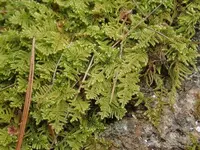
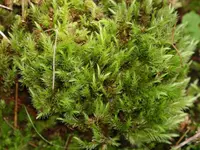
brachythecium moss Care (Brachythecium rutabulum)

Also known as: Rough-stalked Feather-moss
brachythecium moss

About brachythecium moss

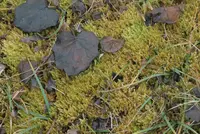
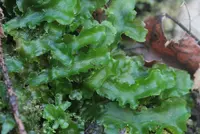
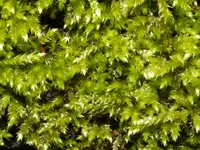
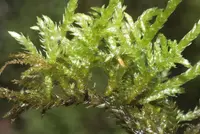
Brachythecium rutabulum, often called rough-stalked feather moss, is a common pleurocarpous moss that forms loose, glossy green carpets. Its creeping stems branch freely and can quickly cover soil, rocks, or old brick, giving a soft, finely textured look.

This moss is native to much of Europe but has spread to other temperate regions, thriving in damp, shaded gardens, lawns, and woodland edges. It is generally hardy and adaptable, which makes it relatively simple to care for brachythecium moss in outdoor, moisture-retentive settings.

It prefers consistent moisture, cool to mild temperatures, and low to medium light, especially with some shelter from direct sun and drying winds.

Main Plant Requirements

Care Difficulty

Moderate Care

Light Preference

Shade

Water Requirements

Keep Soil Moist

Temperature Preference

Cold Hardy

Hardiness Zone

4–9

Soil Texture

Loamy, Silty, Organic-rich

Soil pH

Acidic (5.5–6.5), Slightly acidic (6.5–7.0)

Soil Drainage

Waterlogged tolerant

Fertilization

Minimal (feed rarely)

Get Personalized Care Plan

Scan your plant to receive care tips personalized for your specific plant

Available on iOS and Android

How to Care for the brachythecium moss

This moss favors cool, shaded locations with brief soft sun rather than strong direct exposure.

  • Provide dappled or full shade with at most 1–2 hours of weak morning sun; avoid direct midday or afternoon sun, which can scorch brachythecium moss and dry it rapidly.
  • Site it on north or east-facing banks, rock crevices, or tree bases where light is filtered through canopy or buildings for most of the day.
  • In summer, protect from leaf loss or canopy thinning that suddenly increases light; in winter, brief low-angle sun is usually tolerated if the substrate stays moist.

This species prefers consistently moist conditions and reacts quickly to drying or waterlogging extremes.

  • Keep the substrate evenly moist, not saturated; surfaces should feel cool and damp but not squishy or smelling anaerobic, which signals poor drainage and potential rot.
  • Increase misting or gentle watering when fronds feel crisp, curl at the tips, or lose their green sheen, clear signs of drying stress in Brachythecium rutabulum.
  • Reduce watering in cool, wet seasons and after prolonged rain; resume more frequent light watering only once the surface starts to lose its sheen and feel just slightly less damp.

This hardy moss tolerates a wide outdoor temperature range but grows best in cool, moist conditions.

  • Optimal growth occurs around 45–65°F (7–18°C), especially in cool, shaded, humid sites such as woodland floors, north-facing walls, and stream banks.
  • It withstands short dips to about 10–15°F (-12– -9°C) when attached to stable substrates, though growth slows or pauses through winter.
  • Heat above 80°F (27°C), especially with low humidity and full sun, increases desiccation risk; provide extra shade and moisture during hot, dry periods to limit stress.

This species prefers consistently moist, high-humidity conditions to maintain dense, green growth.

  • Aim for 70–90% humidity, mimicking damp woodland or streamside air conditions.
  • Tolerates brief dips to 50–60%, but fronds dull, curl, or brown at the tips in prolonged dry air.
  • Increase humidity with frequent fine misting, placing over a shallow water-and-pebble tray, or situating near a humid microclimate like a shaded water feature when caring for brachythecium moss.

This moss grows best on moist, fine-textured, organic-rich substrates rather than conventional potting soil.

  • Use a base of milled sphagnum, fine bark, and leaf mold or composted leaf litter to create a soft, spongy mat.
  • Ensure the substrate stays evenly moist yet not waterlogged by providing very shallow, slow-draining conditions rather than deep, free-draining pots.
  • Target a slightly acidic to neutral pH around 5.5–7.0, avoiding strongly alkaline substrates such as heavy lime-rich mixes.
  • Avoid coarse, loose, sandy or very chunky mixes that dry quickly; gently firm the surface so Brachythecium rutabulum rhizoids can anchor to a stable, continuous layer.

This species can adapt well to shallow container culture when moisture and stability are carefully managed.

  • Choose a broad, shallow tray or dish that allows spreading mats while preventing deep water pockets that stay stagnant.
  • Line the base with a thin layer of fine gravel or mesh to slow drainage slightly while still preventing standing water against the substrate surface.
  • Select glazed ceramic or plastic containers over porous terracotta to reduce rapid evaporation and keep the moss mat evenly moist.

This moss needs almost no added nutrients when grown on suitable, moist substrates.

Brachythecium rutabulum benefits from light grooming rather than formal pruning.

  • Best timing is during active growth in spring or early fall, when the moss can recover quickly.
  • Gently remove dead, browned, or decaying patches by hand to limit mold and maintain carpet quality.
  • Thin out overly thick, matted areas to improve air flow and reduce trapped debris.
  • Use clean fingers or soft tweezers, avoiding scissors that may tear or uproot healthy shoots.

This species is usually established as a ground or surface cover, so care focuses on gentle transplanting rather than frequent repotting.

  • Shift or divide mats in cool, moist weather during spring or fall to limit stress and drying.
  • Transplant when growth declines, mats lift easily, or the substrate has compacted or degraded.
  • Lift sections with as much attached substrate as possible, then press firmly onto the new moist surface.
  • Water with a fine, gentle spray and keep evenly moist for 2–3 weeks to help rhizoids reattach.

Brachythecium rutabulum is commonly multiplied by simple division and surface layering.

  • Best season for starting new patches is cool, damp spring or fall weather.
  • Tear or cut small mat sections, keeping stems and attached substrate intact.
  • Lay fragments on a rough, moist surface such as stone, soil, or wood, then press lightly.
  • Maintain constant surface moisture and moderate shade until new green tips show firm attachment.

This moss is cold hardy and usually needs no special winter care in the ground.

  • Tolerates frost and light freezing, remaining viable even when foliage looks flattened or dull.
  • Ensure good drainage so mats do not sit in ice-locked water for long periods.
  • Container-grown mats can be moved to a sheltered, unheated space to reduce freeze–thaw stress.

Care Tips

Use stable substrate

Attach the moss to porous, non-crumbly materials like weathered stone, old brick, or rough bark so rhizoids can anchor securely and the colony stays in place during irrigation or heavy rain.

Manage competing algae

If green film algae start to cover the moss in very wet, low-airflow setups, gently increase air movement and briefly expose the area to a bit more indirect light to favor the moss over algae without letting the surface dry out completely.

Seasonal thinning

In thick outdoor mats, carefully lift and remove small plugs every 15–20 cm in late winter to reduce self-shading, improve air circulation at the base, and encourage fresh, dense regrowth.

Directed carpet expansion

To extend a mat into new areas, gently tear small fragments and press them onto the new surface with a breathable mesh or netting for 4–6 weeks until they attach, then remove the mesh.

Terrarium microclimate zoning

In enclosed or semi-enclosed displays, arrange hardscape so the moss sits slightly above standing water and near gentle airflow outlets, which creates a stable, moist but not stagnant zone ideal for growing brachythecium moss.

Common Pests and Diseases

Slugs and snails

This pest group is strongly attracted to moist moss carpets and grazes the shoots, leaving shredded, thinned patches and slime trails.

Solution

Hand-pick at night or in early morning, use physical barriers such as copper tape around trays or stone edging, and reduce nearby hiding places like boards or dense debris; in outdoor settings, iron phosphate slug baits can be used carefully around moss without disturbing the substrate.

Moss mites

These insects are tiny arthropods that feed on moss tissue and trapped organic matter, causing dull, patchy growth and a dusty or slightly chewed texture on the cushions.

Solution

Rinse the moss gently with clean, non-chlorinated water to dislodge mites, improve air movement and avoid heavy organic debris buildup, and if populations stay high, apply a mild insecticidal soap or horticultural oil as a fine spray, keeping application light to avoid smothering the moss.

Green algae overgrowth

This disease-like condition occurs when filamentous or film algae colonize the surface, forming a slick, bright-green layer that can smother the moss and block light.

Solution

Reduce nutrient-rich runoff and standing water, slightly increase light and airflow, and physically loosen or brush away surface algae with a soft brush, then flush gently with clean water; in containers, shortening irrigation frequency while maintaining humidity helps limit new algal growth when growing brachythecium moss.

Fungal leaf spot

This disease appears as small dark or water-soaked patches on moss shoots that can merge into irregular brown areas, especially in stagnant, overly wet conditions.

Solution

Increase air circulation and avoid continuous surface flooding, remove and discard heavily affected clumps, and if needed lightly mist with a dilute broad-spectrum fungicide labeled safe for mosses, testing a small section first to avoid phytotoxicity.

Interesting Facts

Urban nutrient recycler

This moss often colonizes nutrient-rich, disturbed habitats such as old walls, compacted soil, concrete, and pavement edges, where it traps airborne particles and slowly recycles urban nutrients back into the local ecosystem.

Broad moisture tolerance

It withstands repeated wetting and drying cycles better than many woodland mosses, which helps explain its success in exposed man-made habitats as well as in more natural, damp sites like stream banks and shaded lawns.

Important invertebrate habitat

Dense mats of this species provide microhabitats for small invertebrates such as springtails, mites, and insect larvae, contributing to local food webs in parks, gardens, and woodland edges.

Botan icon

Did you know?

In some parts of Europe, this species is used as a bioindicator of urban and roadside air quality because its tissues can accumulate airborne heavy metals and other pollutants, making it useful in long-term environmental monitoring studies.

FAQs about brachythecium moss

This moss does not bloom like flowering plants. Instead, it produces small, stalked capsules called sporophytes that release spores. These structures are subtle and mainly of interest for identification, not ornamental display.

Grow Healthy Plants with Botan Care

Keep your plants happy and healthy with plant identification, disease detection, and easy care guidance.

Botan plant care app — identify plants on mobile

Explore More Plants