sphagnum Care (Sphagnum subnitens)

Also known as: Lustrous Bog-moss
sphagnum

About sphagnum

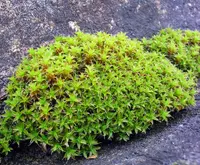
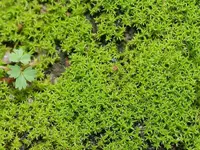
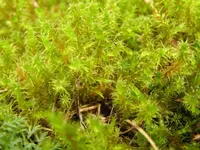
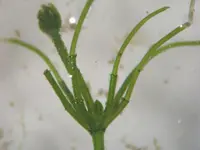
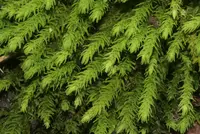
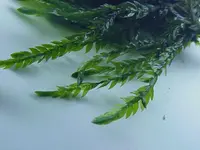
Sphagnum subnitens is a moss that forms dense, sponge-like carpets rather than upright stems. It has fine, overlapping leaves that hold large amounts of water.

This species is native to cool, wet habitats such as bogs and peatlands in temperate regions. It often grows in acidic, nutrient-poor conditions where few other plants compete.

Its ability to store water and tolerate low nutrients makes it relatively straightforward to keep alive, but it depends on constant moisture and gentle light. For anyone learning how to care for sphagnum, understanding its need for damp, airy conditions is essential.

Main Plant Requirements

Care Difficulty

Moderate Care

Light Preference

Partial Shade

Water Requirements

Aquatic

Temperature Preference

Cool Climate

Hardiness Zone

3–8

Soil Texture

Peaty, Organic-rich, Silty

Soil pH

Strongly acidic (4.5–5.5)

Soil Drainage

Waterlogged tolerant

Fertilization

Minimal (feed rarely)

Get Personalized Care Plan

Scan your plant to receive care tips personalized for your specific plant

Available on iOS and Android

How to Care for the sphagnum

This moss prefers cool, moist sites with soft, indirect light rather than intense direct sun.

  • Provide 2–4 hours of weak morning sun with bright, filtered light for the rest of the day; dense shade slows growth and causes sparse, pale shoots.
  • Site Sphagnum subnitens where it is shielded from strong midday and afternoon sun, which can scorch tips and dry the mat quickly.
  • In summer, increase shade using taller plants or lattice; in winter, allow more open light so plants receive low-angle sun without overheating.

This species thrives in constantly wet conditions and should never be allowed to dry out.

  • Maintain saturated but not fast-flowing conditions; the surface should feel spongy and wet, with no dry patches forming between strands.
  • In warm, windy, or low-humidity weather, increase watering or misting so Sphagnum subnitens stays visibly moist throughout the day.
  • Watch for brown, crispy tips as a sign of underwatering, and for foul smell or slimy, collapsing stems as indicators of stagnant, oxygen-poor overwatering in poorly drained spots.

This moss is adapted to cool, moist climates but tolerates a moderate temperature range when kept constantly damp.

  • Aim for 50–70°F (10–21°C) for strongest growth; steady moisture and shade help buffer short fluctuations above or below this range.
  • It tolerates down to about 23°F (-5°C) if kept wet, but repeated hard freezes with drying winds can kill exposed cushions.
  • Heat above 77–86°F (25–30°C) increases stress and desiccation risk, so provide deep shade, high humidity, and frequent misting during hot, dry spells to grow Sphagnum subnitens successfully.

This moss needs very high, stable humidity to stay actively growing and green.

  • Aim for 80–100% humidity, using enclosed trays or terrariums to slow evaporation.
  • It tolerates brief dips to 60–70% but dries and browns quickly in typical indoor air.
  • Crisping tips and shrinking cushions signal humidity stress; cover containers or use a clear dome to trap moisture and reduce airflow.

Sphagnum subnitens prefers saturated, highly organic, low-nutrient substrates rather than typical potting soil.

  • Use a base of long-fiber sphagnum over a layer of inert material such as perlite, pumice, or coarse sand for structure.
  • Keep the substrate constantly wet but not stirred, allowing water to pool just below the moss layer for capillary uptake.
  • Maintain pH roughly 4.0–5.5 by avoiding lime, fertilizers, or composts that raise alkalinity or add excess nutrients.
  • Do not mix in dense garden soil or peat-free composts that slump and exclude air around the stems.

This species is well suited to shallow containers and trays that can hold standing water below the moss surface.

  • Choose a wide, shallow container to allow lateral spread and even moisture rather than a deep pot that concentrates water at the bottom.
  • Use a solid tray or cachepot with a controlled water reservoir so the base stays wet while the upper moss layer remains aerated.
  • Clear plastic or glass containers reduce evaporation and help maintain a stable water table while still allowing light to reach all cushions.

This moss naturally grows in nutrient-poor habitats and usually performs best with no fertilizer at all.

Pruning Sphagnum subnitens is light and mostly hygienic, aimed at maintaining healthy, dense cushions.

  • Trim away brown, decayed, or moldy patches at any time using clean scissors to limit rot spread.
  • Remove crowded or overly thick tufts to improve air flow and light penetration across the colony surface.
  • Harvest living tips by cutting just the upper green portions, which encourages lateral spreading rather than height.
  • Disinfect tools before and after use with alcohol to reduce transfer of fungal spores or algae.

Transplanting Sphagnum subnitens focuses on renewing its wet, acidic substrate rather than relieving root crowding.

  • Plan moves in spring or early summer, when light and temperatures support quick recovery and renewed growth.
  • Transplant when growth is stunted, the moss layer collapses, or the underlying peat or bark has compacted heavily.
  • Lift mats gently with a wide spatula, keeping clumps intact and roots or stem bases shaded from direct sun.
  • Set onto fresh, saturated, acidic medium, mist thoroughly, and keep humidity high for 1–2 weeks to limit stress.

Sphagnum subnitens is commonly propagated by division of living shoots rather than by spores in home culture.

  • Divide healthy, bright-green shoot tips into small clumps and spread them loosely over fresh wet substrate.
  • Carry out division in spring or early summer for faster establishment under bright, indirect light.
  • Maintain constant moisture with pure or low-mineral water and high humidity to support new bud formation.
  • Avoid burying stems deeply; press them lightly onto the surface so new growth can photosynthesize immediately.

This moss is generally cold hardy outdoors and often requires minimal winter care once established.

  • In temperate climates, allow natural dormancy; short freezes are usually tolerated if the substrate stays moist.
  • For containers, move trays to a cold but frost-sheltered spot to avoid repeated hard-freeze and thaw cycles.
  • Keep the medium damp, not waterlogged ice, and avoid applying fertilizer or major division work in winter.

Care Tips

Use shallow trays

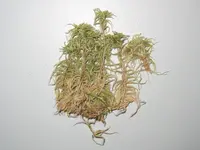
Grow mats in wide, shallow trays or basins so the moss can spread horizontally and form an even carpet that is easy to harvest and inspect for problems.

Create water gradients

Tilt the tray slightly or use small spacers so one side stays wetter and the other slightly drier, allowing the moss to self-select its preferred moisture zone and reducing rot in overly saturated areas.

Harvest selectively

Trim only the top 2–3 cm of healthy stems with clean scissors and leave the lower, older parts intact, which maintains photosynthesis and allows the colony to keep expanding after each harvest.

Use rainwater storage

Store collected rainwater or reverse-osmosis water in a covered, food-grade container and let it reach room temperature before use, which prevents mineral buildup that can damage the moss over time.

Rotate propagation patches

Divide the colony into several patches in separate trays and rotate which one is harvested or disturbed, so you always have one or two strong, undisturbed patches that act as a buffer when growing sphagnum long term.

Everything About sphagnum

Common Pests and Diseases

Fungus gnat larvae

This pest commonly colonizes wet sphagnum substrates and feeds on decaying organic matter and delicate moss tissues. Symptoms include thinning cushions, pale new growth, and visible small white larvae in the top layer of the moss.

Solution

Reduce moisture slightly at the surface, improve air circulation, and bottom-water so the top layer stays just moist, not saturated. Rinse the moss under running water to flush larvae, then apply a biological control such as Bacillus thuringiensis israelensis (BTI) according to label directions and use fine mesh or sticky traps to reduce adult gnats.

Algal overgrowth

This disease-like condition occurs when free-living algae spread across constantly wet, bright surfaces of the moss. Symptoms include slick, green film or patches that smother sphagnum tips and reduce photosynthesis.

Solution

Lower light intensity slightly, increase air movement, and avoid stagnant water by ensuring good drainage and occasional flushing with clean, low-mineral water. Gently rinse or manually remove algal mats, thin the moss layer for better airflow, and avoid fertilisers or nutrient-rich water that encourage algae when following sphagnum care instructions.

Cyanobacterial slime

This disease is caused by filamentous cyanobacteria that form dark green, blue-green, or blackish slimy layers on saturated moss. Symptoms include foul smell, slimy texture, and suffocated, brown patches of sphagnum beneath the growth.

Solution

Physically remove affected slime and the top layer of contaminated moss, then rinse the remaining moss thoroughly with clean rain, distilled, or reverse-osmosis water. Improve water movement and aeration, avoid standing water, reduce organic debris, and maintain slightly cooler temperatures to slow cyanobacterial growth.

Mite damage

This pest issue involves tiny, often soil- or substrate-dwelling mites that graze on tender sphagnum cells and young shoots. Symptoms include roughened, dulled tips, patchy dieback, and sometimes fine movement visible with a hand lens on the moss surface.

Solution

Rinse the moss repeatedly under a gentle but steady stream of water to dislodge mites, and remove badly damaged portions. Improve humidity stability and airflow, avoid chemical fertilizers that can favor mite populations, and if needed use a targeted miticide or horticultural oil safe for mosses, testing on a small section first.

Bacterial soft rot

This disease can develop in stagnant, anaerobic pockets of water within very dense sphagnum mats. Symptoms include sudden collapse of sections of the moss, a sour or rotten smell, and slimy, discolored tissues that turn tan to brown.

Solution

Cut out and discard all affected material and any foul-smelling underlying substrate, then replant only firm, healthy tips. Rebuild the moss bed more loosely to increase oxygen, flush regularly with clean low-mineral water, and avoid deep, stagnant water layers by providing gentle drainage and moderate air circulation.

Interesting Facts

Specialized peat formation

This species contributes significantly to peat formation in oceanic bogs of western Europe and the Pacific Northwest, where its dense, slowly decomposing carpets help lock away carbon for centuries.

Coastal bog specialist

It shows a marked preference for mild, oceanic climates and is especially frequent in wet, acidic bogs and flushes near coasts, rather than in more continental peatlands.

Rusty color indicator

Its distinctive yellow‑brown to rusty‑red hues often signal nutrient-poor, acidic, and persistently wet microhabitats, helping bryologists visually distinguish it from closely related species in the field.

Botan icon

Did you know?

Genetic and morphological studies have shown that this species forms part of a closely related complex within the Sphagnum subsecundum group, and its careful delimitation has been important for understanding how fine-scale ecological preferences drive speciation in peat mosses.

FAQs about sphagnum

Growth is slow to moderate. In consistently moist, cool, acidic conditions, it often adds 2–5 cm of new length per year. Warmer, drier, or nutrient-rich conditions slow growth and can cause dieback at the older, lower parts.

Grow Healthy Plants with Botan Care

Keep your plants happy and healthy with plant identification, disease detection, and easy care guidance.

Botan plant care app — identify plants on mobile

Explore More Plants