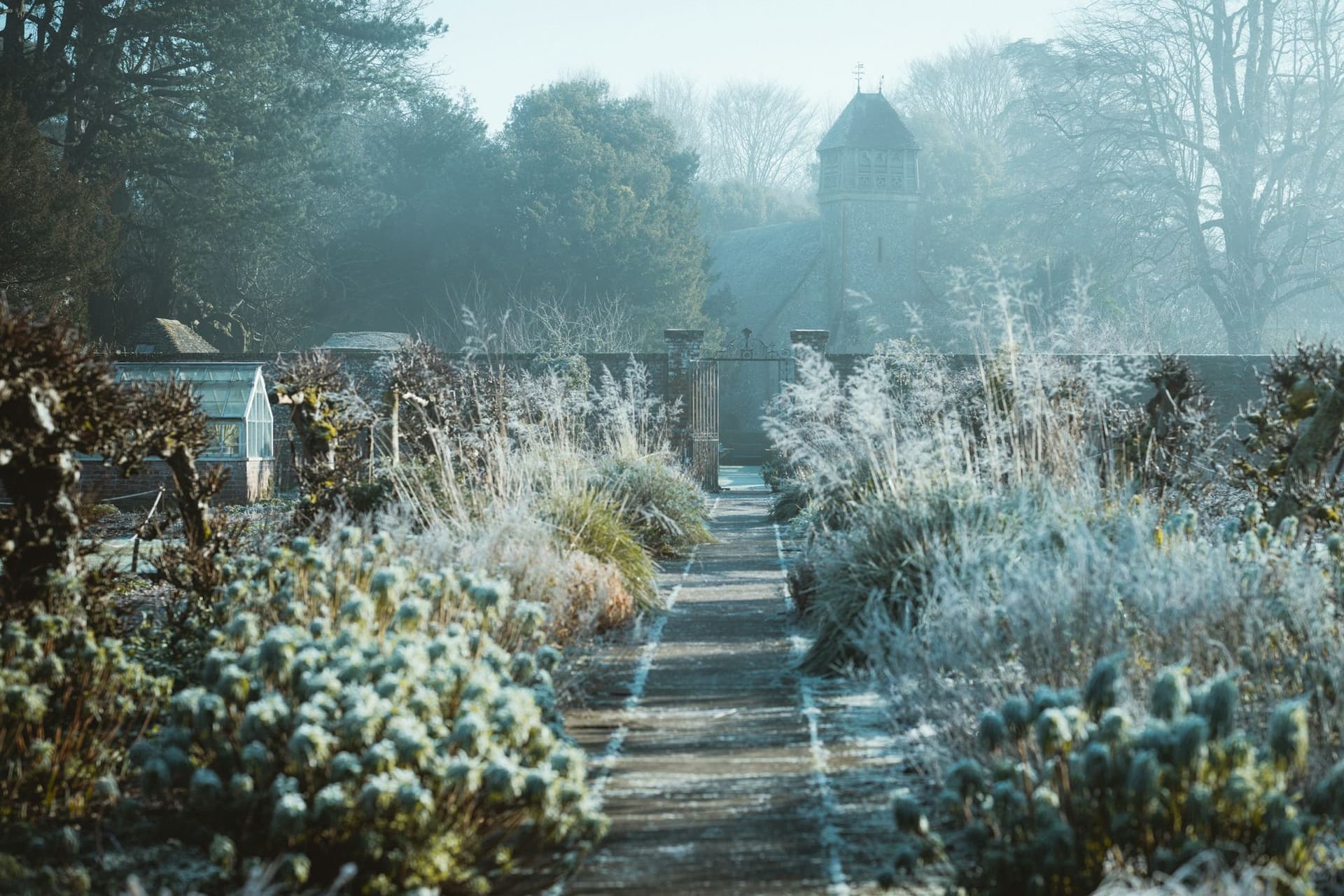




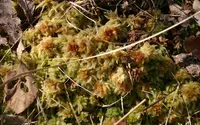

Best Soil for sphagnum (Sphagnum subnitens)

For Sphagnum subnitens, the right soil supports healthy growth by staying acidic, airy, and consistently moist without becoming stagnant.

Soil Texture

Peaty, Organic-rich, Silty

Soil pH

Strongly acidic (4.5–5.5)

Soil Drainage

Waterlogged tolerant

Sphagnum subnitens Soil Guide

In nature, Sphagnum subnitens is native to parts of Europe and typically grows in bogs, fens, and wet heaths. Those habitats are saturated, low in minerals, and strongly acidic, so the plant is adapted to persist in constantly wet, peaty ground rather than open, fast-draining soil.

Instead of relying on deep, woody roots, sphagnum forms shallow anchoring growth and holds large amounts of water around itself. That is why the best soil for sphagnum is organic-rich, silty to peaty, and consistently wet, with enough fine texture to stay moist while still allowing some air through the upper surface.

A simple custom mix can help recreate the soft, moisture-holding conditions Sphagnum subnitens prefers in containers.

100% total mix = 20 scoops
10%
leaf mold or composted pine fines2 scoops
15%
silica sand3 scoops
25%
finely milled sphagnum moss5 scoops
50%
peat moss10 scoops

The finished blend should feel soft, springy, and evenly damp, with slow movement of excess moisture rather than fast runoff.

Sphagnum subnitens prefers strongly acidic conditions, with an ideal soil pH around 4.5–5.5. In that range, key nutrients remain available without pushing the medium toward the more mineral-rich conditions this species naturally avoids.

A higher pH can gradually reduce nutrient uptake and shift the root zone away from what this moss is adapted to. Keeping the medium clearly acidic is usually more important than aiming for an exact decimal point.

This species is sensitive to shifts in substrate condition over time. Small changes in texture or surface buildup can affect growth more than expected.

Compaction:

Compaction: if the surface turns tight, flat, or crusted, air movement may be limited; gently loosen only the top layer or refresh the medium around it.

Mineral buildup:

Mineral buildup: white residue or a stiffened surface can point to salts collecting in the mix; flush with suitable low-mineral water and remove the worst crust.

Breakdown:

Breakdown: when organic material becomes muddy or sour-smelling, it may be decomposing too far; replace part or all of the medium with a fresher mix.

Contamination:

Contamination: reused or outdoor media can introduce pests, weed fragments, or excess nutrients; start with clean materials if sphagnum begins declining after planting.

Match Plant to Soil

Botan helps match this plant to a more suitable growing medium based on its identity and natural soil preferences.

FAQ

Not necessarily. This species tolerates very wet conditions, but drainage holes still make moisture levels easier to control and reduce the chance of stagnant, foul-smelling medium in indoor containers.

More Plant Soil Guides

Soil Problem? Scan It.

A photo scan can help check whether a visible issue may be linked to the growing medium. Botan highlights soil as one possible factor to review.

Botan app helping with soil and plant care
Best Fertilizer for Vegetable Gardens – What to Use for Each Plant

11 min read · 20 Jul 2026

Best Fertilizer for Vegetable Gardens – What to Use for Each Plant

Here, you’ll find the right fertilizer formula for vegetables in your garden. Learn how to adjust feeding correctly throughout the growing cycle, spot nutrient deficiencies by their symptoms, and keep your plants healthy and prolific.

Plant Recommendations
Best Fertilizer for Vegetable Gardens – What to Use for Each Plant
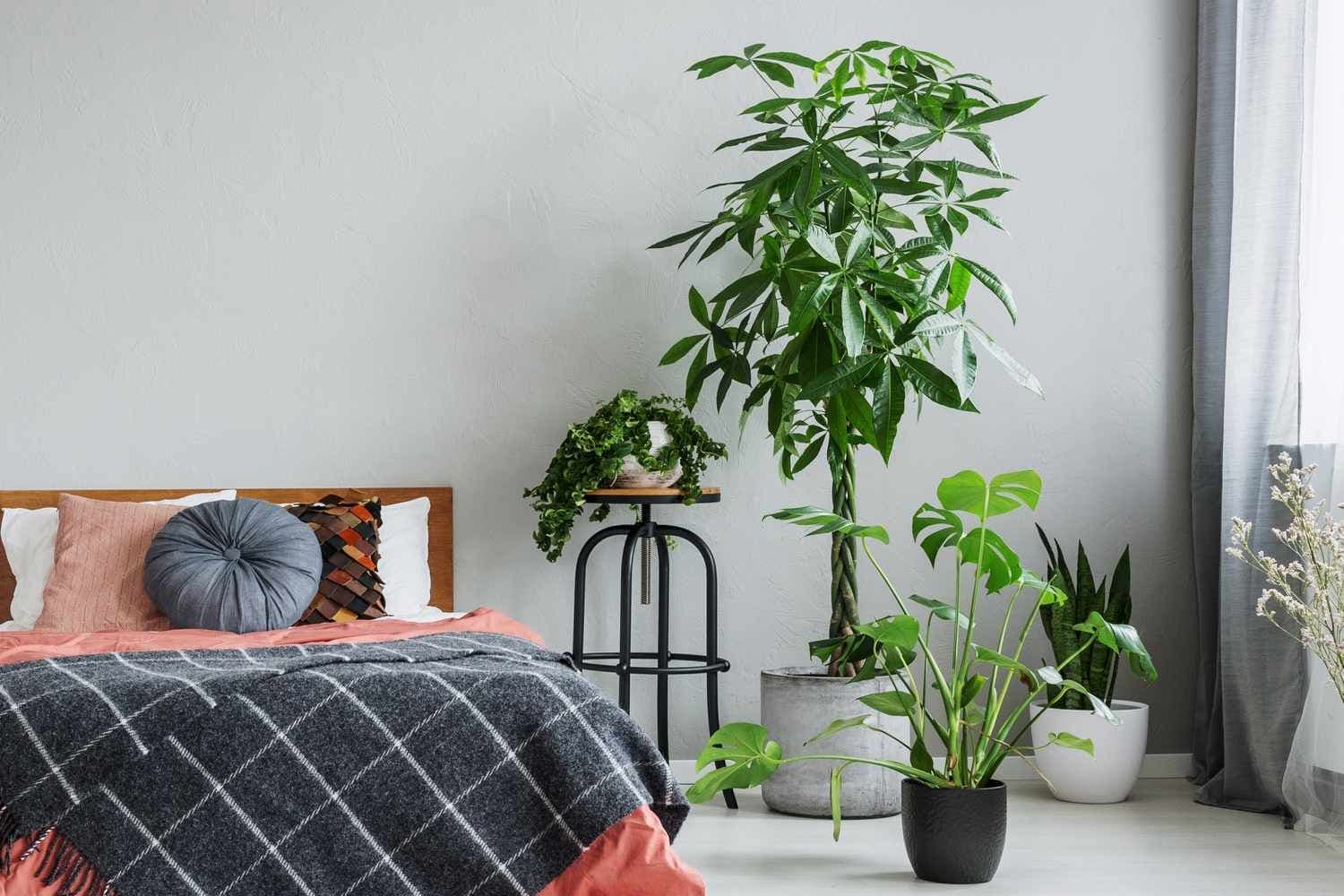
Best Bedroom Plants – Top 10 to Grow in Your Space

8 min read · 8 Jul 2026

Best Bedroom Plants – Top 10 to Grow in Your Space

Discover the top 10 houseplants that are suitable for growing in your bedroom. Compare their light and water needs, pet safety, and benefits. Find out where best to place greenery in your relaxation space and what species to avoid.

Plant Recommendations
Best Bedroom Plants – Top 10 to Grow in Your Space
How to Winterize Your Garden in 6 Steps

5 min read · 28 Sept 2026

How to Winterize Your Garden in 6 Steps

Learn how to prepare your garden for winter with a practical six-step checklist covering cleanup, tender plant care, watering, mulching, winter protection, and winterizing equipment and containers.

Plant Care
How to Winterize Your Garden in 6 Steps