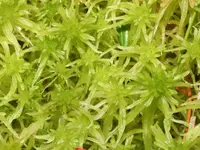
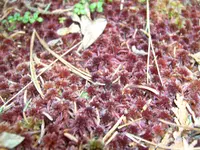
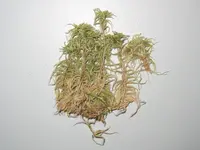
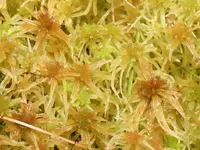
Best Soil for sphagnum (Sphagnum fallax)

For healthy growth, Sphagnum fallax needs an acidic, organic-rich, moisture-retentive substrate that supports delicate tissue and steady anchoring.

Soil Texture

Peaty, Organic-rich, Silty

Soil pH

Strongly acidic (4.5–5.5)

Soil Drainage

Waterlogged tolerant

Sphagnum fallax Soil Guide

Native across much of the Northern Hemisphere, Sphagnum fallax grows in bogs, fens, wet heaths, and other peat-forming wetlands. Those habitats are low in oxygen, very moist, and strongly acidic, so the plant is adapted to conditions that stay saturated rather than freely draining.

The best soil for sphagnum is peaty, soft, and rich in organic matter, with a silty structure that holds water evenly. It does not rely on deep anchoring roots, so an airy but constantly wet substrate suits it better than dense mineral soil. That moisture-retentive, acidic sphagnum soil matches how it grows naturally at the surface of wetlands.


A simple custom mix helps match the moisture-holding conditions that Sphagnum fallax handles best in containers.

100% total mix = 20 scoops
15%
fine silica sand3 scoops
25%
long-fiber sphagnum moss5 scoops
60%
milled peat moss or peat-based substrate12 scoops

The finished mix should feel soft, springy, and uniformly damp, with slow movement of water rather than quick runoff.

Sphagnum fallax prefers strongly acidic conditions, with a soil pH around 4.5–5.5. That range matches how the species naturally grows and helps keep nutrients available in forms it can tolerate.

If the substrate drifts much closer to neutral, nutrient balance can become less suitable over time. A clearly acidic mix is usually the most reliable choice for stable growth.

This species reacts more to changing substrate condition than to rich feeding. Small shifts in texture or buildup can gradually affect growth.

Compaction:

Compaction: if the surface turns dense and matted with little spring, gently loosen and replace part of the substrate so air and moisture move more evenly.

Mineral buildup:

Mineral buildup: a crusty surface or stiff, tired-looking sphagnum can point to accumulated salts, so flush with suitable water and refresh the top layer.

Alkaline drift:

Alkaline drift: if the mix was amended with unsuitable materials, acidity may drop, so check the pH and switch to a more appropriate acidic substrate.

Decomposition:

Decomposition: when the medium becomes dark, slimy, or foul-smelling, break down is advancing, and the first response is replacing the old material with a fresh mix.

Right Plant. Right Soil.

Botan helps match this plant to a more suitable substrate by combining plant ID with clear, practical soil guidance.

FAQ

Drainage holes are usually helpful because they let excess water level out and make the container easier to manage. The medium can stay consistently moist without becoming difficult to monitor.

More Plant Soil Guides

Wrong Soil? Check It.

If growth looks off, soil may be one factor to check. Botan’s photo-based assessment can help you review likely causes.

Botan app helping with soil and plant care
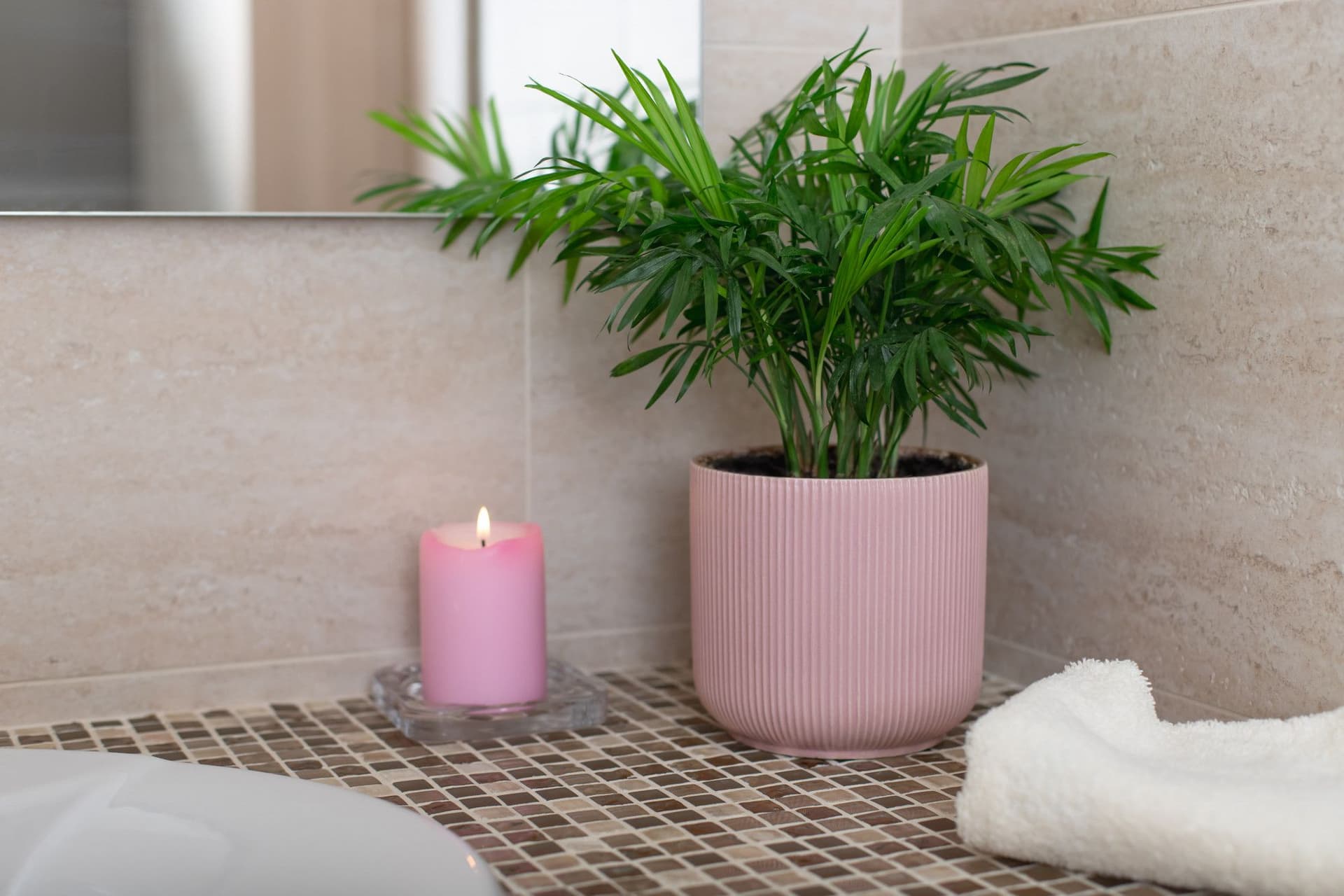
12 Best Plants for Bathroom That Thrive in Humid Conditions

9 min read · 29 Sept 2026

12 Best Plants for Bathroom That Thrive in Humid Conditions

Discover the 12 best plants for bathroom spaces. Each pick comes with its own advantages, plus light, humidity, watering, and placement tips. Take a look and match the plant to your specific bathroom.

Plant Recommendations
12 Best Plants for Bathroom That Thrive in Humid Conditions
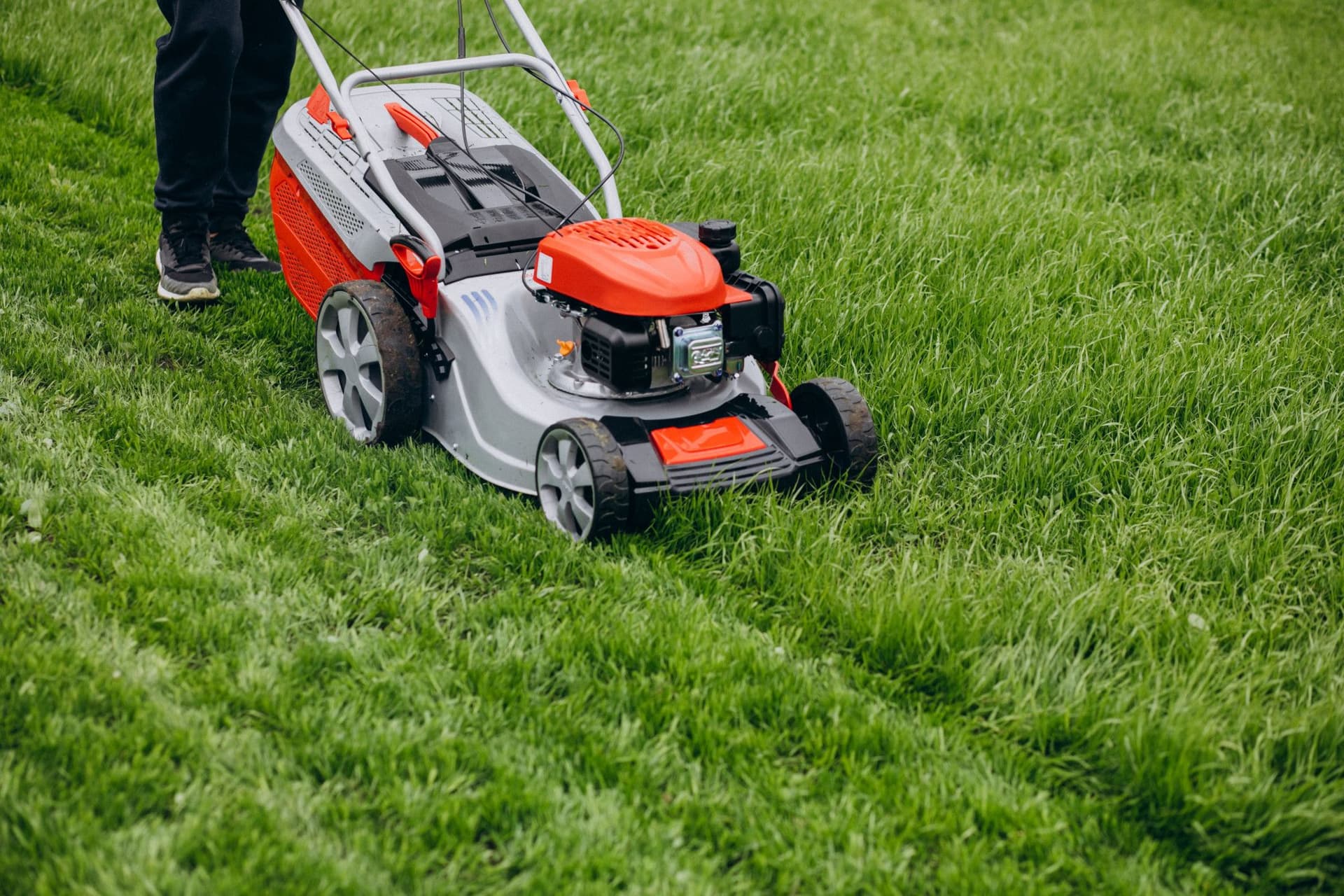
Best Time to Mow Lawn – A Complete Guide

5 min read · 10 Aug 2026

Best Time to Mow Lawn – A Complete Guide

Explore when to mow your lawn for its health and a pleasant green color. Find out the best time for this task during the summer heat, and follow practical tips for correctly cutting the grass, and learn common mistakes to avoid.

Plant Care
Best Time to Mow Lawn – A Complete Guide
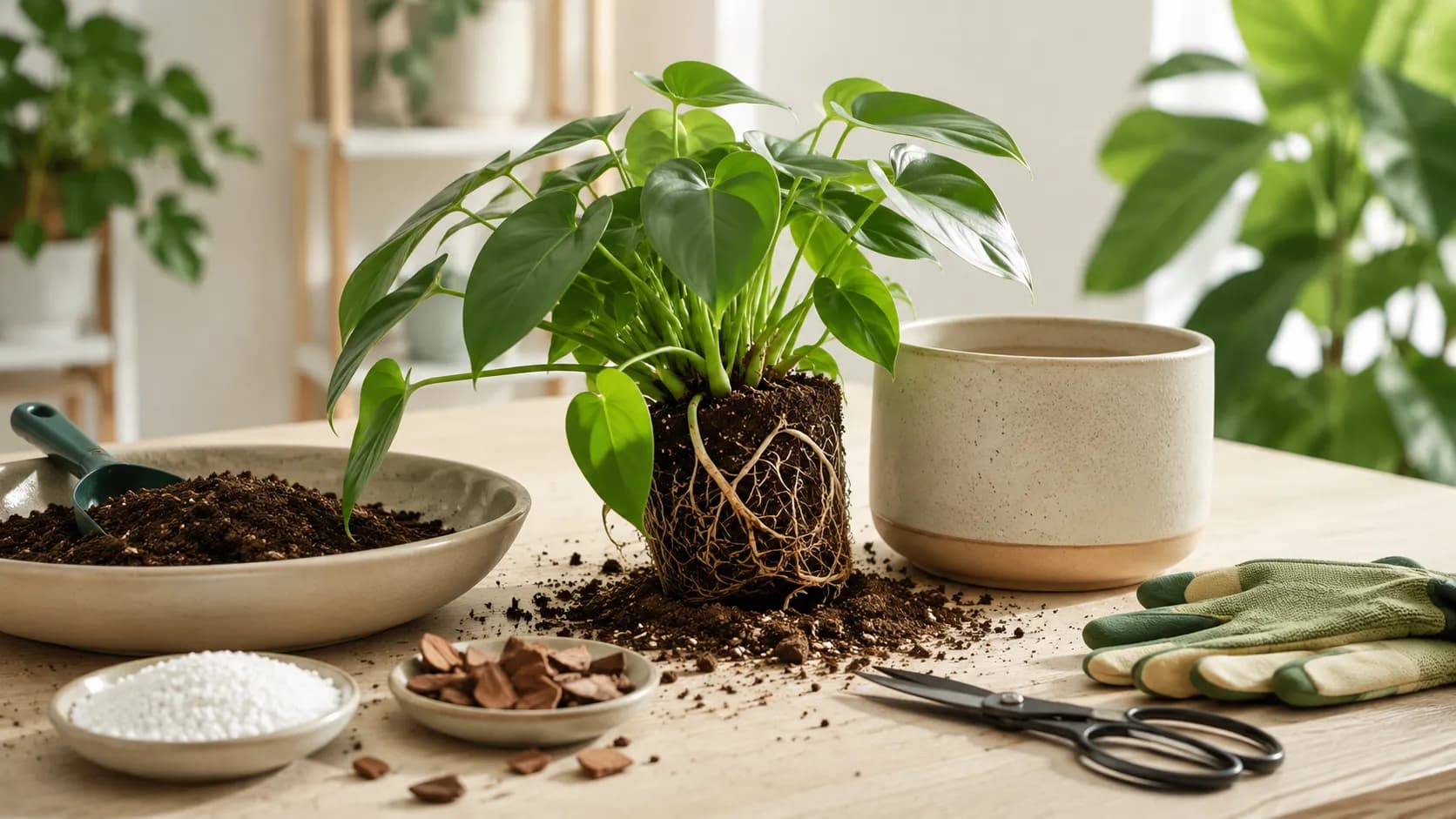
How to Repot a Plant: A Step-by-Step Guide

7 min read · 28 May 2026

How to Repot a Plant: A Step-by-Step Guide

In spring, many plants need repotting—an essential part of care. To avoid stress, consider the plant’s type and size. This article offers a step-by-step guide for repotting indoors or outdoors and shows how to check plant health and get care tips using the Botan app.

Plant Care
How to Repot a Plant: A Step-by-Step Guide