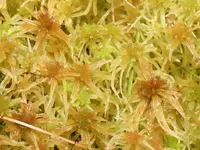



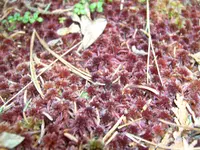
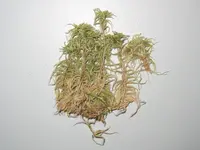

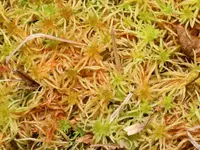

Best Soil for sphagnum (Sphagnum angustifolium)

A suitable mix for Sphagnum angustifolium supports healthy growth by staying acidic, organic-rich, and consistently moist without becoming stagnant.

Soil Texture

Peaty, Organic-rich, Silty

Soil pH

Strongly acidic (4.5–5.5)

Soil Drainage

Waterlogged tolerant

Sphagnum angustifolium Soil Guide

Native across cool northern regions of North America and Eurasia, Sphagnum angustifolium grows in bogs, fens, and other wet peatlands. Those habitats are low in minerals, consistently saturated, and naturally acidic, so the best soil for sphagnum is not typical potting soil.

Instead, it suits a soft, peaty, organic-rich substrate that stays evenly wet and can hold a great deal of water. This moss does not rely on deep roots to search for moisture, so constant surface moisture and a loose, silty peat structure support healthy growth and gas exchange.

A simple custom mix helps recreate the soft, moisture-holding conditions Sphagnum angustifolium prefers while keeping enough air in the upper layer.

100% total mix = 20 scoops
10%
perlite2 scoops
15%
washed silica sand3 scoops
25%
fine composted bark or leaf mold5 scoops
50%
peat moss10 scoops

The finished blend should feel light, springy, and evenly damp, with slow drainage and good surface contact rather than a chunky, dry texture.

Sphagnum angustifolium prefers strongly acidic conditions, with an ideal soil pH around 4.5–5.5. In that range, key nutrients remain available without raising mineral levels beyond what this species is adapted to handle.

If pH drifts much higher, nutrient uptake becomes less balanced and long-term growth can weaken. A consistently acidic medium is usually more important than chasing small short-term changes.

This species is sensitive to mineral buildup and surface compaction. Changes in texture or residue often give earlier clues than obvious decline.

Crusted surface:

A white or tan crust can point to salt or mineral residue; gently remove the top layer and replace it with fresh material.

Compressed mix:

If the surface feels tight, flat, or sealed over, air movement is reduced; loosen only the upper layer carefully without mashing the living growth.

Sour smell:

A stale, swampy odor may mean the medium has broken down too far; refresh part of the mix so it holds moisture without turning stagnant.

Fast drying:

If the top dries hard and shrinks from the container edge, the organic material may be too dry to re-wet evenly; moisten it gradually and reset contact.

Soil Help, Fast

Botan helps match this plant to a more suitable growing medium so soil choices are based on its actual growth habit, not guesswork.

FAQ

It can, because this species tolerates very wet conditions, but a container without drainage makes mineral buildup and stagnant lower layers harder to manage over time.

More Plant Soil Guides

Could It Be the Soil?

If growth looks off, Botan’s photo-based check can help you see whether the growing medium might be one factor worth reviewing.

Botan app helping with soil and plant care
15 Best Scary Halloween Plants and Fungi for a Spooky Garden

8 min read · 9 Oct 2026

15 Best Scary Halloween Plants and Fungi for a Spooky Garden

Want a garden that looks eerie in October? Here are 15 Halloween plants and fungi, from carnivorous traps to bleeding mushrooms. For each species, we cover its appearance, care requirements, and potential uses in your landscape.

Plant Recommendations
15 Best Scary Halloween Plants and Fungi for a Spooky Garden
Best Time to Water Grass in Summer – Lawn Watering Tips

5 min read · 21 Jul 2026

Best Time to Water Grass in Summer – Lawn Watering Tips

Summer watering is easy to get wrong. This guide explains when to turn on your sprinkler, how much liquid your grass needs each week, and how to tell if you're overwatering or underwatering.

Plant Care
Best Time to Water Grass in Summer – Lawn Watering Tips
How Long Can Flowers Go Without Water? Everything You Need to Know

6 min read · 10 Jul 2026

How Long Can Flowers Go Without Water? Everything You Need to Know

Flowers can survive without water anywhere from 1-2 hours to several months, depending on the plant type, species, and growing conditions. Some strong-looking flowers are drought-sensitive, while delicate-looking plants may tolerate long dry periods surprisingly well.

Plant Care
How Long Can Flowers Go Without Water? Everything You Need to Know