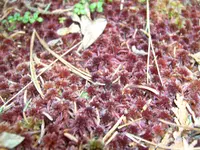



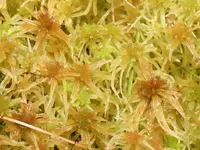
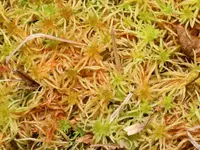
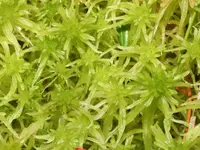
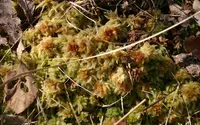

Best Soil for sphagnum (Sphagnum capillifolium)

For healthy growth, Sphagnum capillifolium needs an acidic, organic-rich substrate that stays consistently moist and supports delicate anchoring structures.

Soil Texture

Peaty, Organic-rich, Silty

Soil pH

Strongly acidic (4.5–5.5)

Soil Drainage

Waterlogged tolerant

Sphagnum capillifolium Soil Guide

Native across cool temperate and boreal parts of the Northern Hemisphere, Sphagnum capillifolium grows in bogs, heaths, and wet moorland where the ground stays saturated, low in minerals, and strongly acidic. Those conditions explain why the best soil for sphagnum is not typical potting soil.

paragraphs?

A simple custom mix helps keep moisture levels steady without turning dense. For Sphagnum capillifolium, aim for a soft, acidic blend with very low mineral content.

100% total mix = 20 scoops
10%
horticultural sand2 scoops
15%
leaf mold or composted pine fines3 scoops
25%
finely milled coco coir5 scoops
50%
peat moss10 scoops

The finished mix should feel springy, fine-textured, and evenly damp, with slow drainage and no heavy, sticky clumps.

This species reacts more to compaction and mineral buildup than many houseplants. When soil-related conditions shift, small corrections usually help more than major changes.

Compacted surface:

A crusty or flattened top layer can limit air movement, so gently loosen only the upper surface and replace dense material with a lighter top layer.

Mineral salt buildup:

White residue on the surface or pot edge suggests accumulated dissolved minerals, so remove the crust and refresh part of the growing medium with cleaner material.

Mix drying unevenly:

If one area stays damp while another turns papery, the substrate may have shrunk or separated, so rework the top section and reset it evenly in the container.

Heavy, sour medium:

A stale smell and dense feel can mean the material is breaking down too far, so swap out the most degraded portion before it compresses further.

Soil Advice in Seconds

Botan helps match this plant to a more suitable substrate so soil choices are based on its actual growth pattern, not guesswork.

FAQ

Drainage holes are usually helpful because they prevent stale buildup in the container and make moisture levels easier to manage, even for a species that tolerates very wet conditions.

More Plant Soil Guides

See If Soil Is the Issue

Botan can help assess whether a visible issue may be linked to the growing medium. A photo check can help rule soil in or out.

Botan app helping with soil and plant care
12 Best Cold-Hardy Vegetables for Cold Weather

7 min read · 13 Oct 2026

12 Best Cold-Hardy Vegetables for Cold Weather

Cold-hardy vegetables can keep a garden productive through chilly fall, winter, and early spring weather. This guide covers 12 reliable crops, their frost tolerance, and practical growing tips for better cold-season harvests.

Plant Recommendations
12 Best Cold-Hardy Vegetables for Cold Weather
Top 15 Fast-Growing Trees For Your Garden

13 min read · 28 Jul 2026

Top 15 Fast-Growing Trees For Your Garden

Learn which of the 15 fastest-growing trees will suit your area. We’ll share detailed information on each: growth rate, mature spread, key tree demands, and main vulnerabilities. Read on and make the best choice possible.

Plant Recommendations
Top 15 Fast-Growing Trees For Your Garden
Best Fertilizer for Vegetable Gardens – What to Use for Each Plant

11 min read · 20 Jul 2026

Best Fertilizer for Vegetable Gardens – What to Use for Each Plant

Here, you’ll find the right fertilizer formula for vegetables in your garden. Learn how to adjust feeding correctly throughout the growing cycle, spot nutrient deficiencies by their symptoms, and keep your plants healthy and prolific.

Plant Recommendations
Best Fertilizer for Vegetable Gardens – What to Use for Each Plant