sphagnum Care (Sphagnum capillifolium)

Also known as: red bog-moss, small red peat moss, Northern Peatmoss, Acute-leaved Bog-moss
sphagnum

About sphagnum

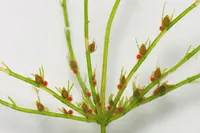
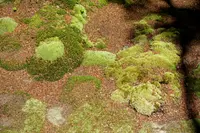
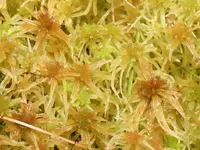
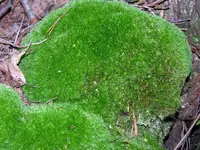
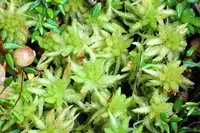
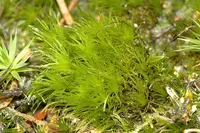
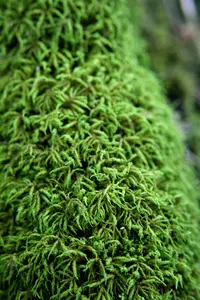
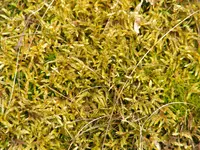
Sphagnum capillifolium is a small moss that forms dense, cushion-like mats with soft, absorbent stems and tiny overlapping leaves. It often shows green to reddish hues, especially on the tips.

This species typically grows in cool, wet environments such as bogs, moorlands, and peatlands across the Northern Hemisphere. Its strong water-holding ability and preference for acidic, low-nutrient conditions influence how to care for sphagnum.

In cultivation it is usually grown as a moisture-retentive companion for other plants, terrariums, or propagation setups. It favors consistently damp conditions, gentle light, and an acidic, low-mineral substrate.

Main Plant Requirements

Care Difficulty

Hard Care

Light Preference

Partial Shade

Water Requirements

Aquatic

Temperature Preference

Cool Climate

Hardiness Zone

2–8

Soil Texture

Peaty, Organic-rich, Silty

Soil pH

Strongly acidic (4.5–5.5)

Soil Drainage

Waterlogged tolerant

Fertilization

Minimal (feed rarely)

Get Personalized Care Plan

Scan your plant to receive care tips personalized for your specific plant

Available on iOS and Android

How to Care for the sphagnum

This moss prefers cool, moist habitats with gentle, indirect light rather than intense direct sun.

  • Aim for 3–5 hours of soft morning sun or bright, dappled shade; avoid harsh midday and afternoon sun that can dry and bleach sphagnum.
  • Grow Sphagnum capillifolium where taller plants or trees provide filtered light, mimicking woodland or bog edges.
  • In summer, increase shade or use light screening; in cooler seasons, allow a bit more direct morning sun to support steady growth.

This species is adapted to consistently wet, boggy conditions and declines quickly if allowed to dry out.

  • Keep the substrate saturated or very wet at all times; surface growth should feel cool and spongy, never crisp or crunchy.
  • Use low-mineral, soft water where possible, and ensure slow drainage or a lined basin so water pools without becoming stagnant and foul-smelling.
  • In hot, windy periods, monitor daily for lightening color or shrinking cushions, which indicate drying; rehydrate thoroughly until evenly soaked.

This moss is naturally cool-temperate and prefers mild conditions without strong temperature extremes.

  • Optimal growth occurs around 50–68°F (10–20°C), with steady moisture and moderate humidity.
  • It tolerates down to about 23°F (-5°C) when saturated and in natural boggy settings, but repeated freeze–thaw cycles can damage surface shoots.
  • Heat above 80°F (27°C), especially with full sun or low humidity, causes stress and browning, so provide shade, ample water, and airflow in hot weather.

This moss needs consistently high humidity to stay hydrated and actively growing.

  • Aim for 70–100% humidity, as sphagnum dries out and stops growing quickly in drier air.
  • Dry air causes pale, crispy tips and shrinking cushions, signaling humidity stress.
  • Use enclosed trays, terrariums, or frequent fine misting combined with moist substrate to keep air humid around the plant.

This moss prefers a saturated, low-nutrient, acidic substrate rather than conventional potting soil.

  • Use fibrous, organic-rich material such as long-fiber moss over a base of coarse sand or fine bark to support structure.
  • Keep the substrate constantly moist to waterlogged, with slow drainage that never allows the base to fully dry.
  • Aim for strongly acidic conditions around pH 3.5–5.5, avoiding limed or alkaline materials that inhibit Sphagnum capillifolium growth.
  • Avoid compacted garden soil, manured mixes, or heavy compost, which reduce aeration and promote competing plants or algae.

This species is suitable for shallow container culture when moisture and stability are managed carefully.

  • Choose broad, shallow trays so the mat can spread horizontally while staying evenly moist across the surface.
  • Use a rigid container that does not flex when lifted, preventing cracking of the delicate moss carpet.
  • Raise the container slightly above any water reservoir so the base stays saturated by capillary action without full submersion.

This moss gains nutrients mainly from water and substrate, so Sphagnum capillifolium needs little to no fertilization in most setups.

Pruning Sphagnum capillifolium is mainly done to manage density and maintain healthy, active growth tips.

  • Trim during active growth in spring–summer when colonies are thick or shading other plants.
  • Pinch or cut away brown, dead, or compacted upper sections to encourage fresh, upright shoots.
  • Use clean scissors and make shallow cuts, avoiding removal of the entire green growing layer.
  • Shape mats by thinning crowded patches rather than cutting deeply into the whole cushion.

Transplanting Sphagnum capillifolium focuses on refreshing wet, acidic conditions rather than handling a typical root ball.

  • Transplant when growth slows, the mat becomes overly compacted, or water drains poorly through the moss layer.
  • Best timing is early spring or early autumn, avoiding heat waves or hard freezes.
  • Every 1–2 years, lift sections gently and lay them onto fresh, saturated, acidic substrate such as peat or sand-peat mixes.
  • Keep clumps intact, handle softly, and maintain constant moisture before and after moving to limit stress.

Sphagnum capillifolium is commonly propagated by division of living shoots rather than by seed in cultivation.

  • In spring or early summer, tear or cut healthy green tips into small clumps 2–5 cm long.
  • Lay divisions on consistently wet, acidic substrate with good air contact, not buried deeply.
  • Provide bright, indirect light, high humidity, and cool to mild temperatures for steady growth.
  • Avoid fertilized or alkaline media, which slow establishment and increase contamination risks.

This moss is naturally cold hardy and usually needs minimal winter care in temperate outdoor conditions.

  • In-ground cushions generally tolerate freezing and snow without extra insulation.
  • For shallow trays or containers, keep substrate moist and shaded from drying winter wind and sun.
  • In very exposed sites, move containers to a sheltered, unheated area to limit freeze–thaw stress.

Care Tips

Use Shallow Trays

Grow mats in wide, shallow trays so the moss forms an even carpet, and keep only the lower 0.5–1 cm of stems in contact with water to avoid rot in the upper growth.

Layered Capillary Setup

Place a layer of inert gravel or mesh at the bottom of the container, then a peat-based layer above, so water can wick up by capillary action while the photosynthetic tips stay airy and disease pressure remains low.

Gentle Harvest Rotation

If harvesting, trim only the top 2–3 cm from alternating sections every 4–6 weeks, leaving untouched patches so the colony can regenerate and maintain continuous cover.

Rainwater Management

Collect and store rainwater in opaque containers and let it warm to room temperature before use, which reduces mineral stress and temperature shock when growing sphagnum.

Periodic Rinse Cycle

Every 1–2 months, gently flush the moss with low-mineral water to wash out accumulated dust and nutrients that can encourage algae and liverworts, then drain excess water completely.

Everything About sphagnum

Common Pests and Diseases

Fungus gnat larvae

This pest is attracted to constantly wet sphagnum and the larvae feed within the moss layer, sometimes damaging fine new growth and roots of plants grown in it.

Solution

Reduce standing water and let the surface layer drain more freely between waterings, then use a biological control such as Bacillus thuringiensis israelensis (Bti) or beneficial nematodes in the irrigation water to target larvae; yellow sticky traps help monitor and reduce adult populations.

Algal overgrowth

This disease-like condition occurs when free water, strong light, and nutrients allow green algae to coat the moss surface, shading sphagnum and slowing growth.

Solution

Lower nutrient input, avoid fertilizer on the moss, increase gentle air movement, and slightly reduce light intensity or duration; physically rinse or gently rub away heavy algal films and refresh the top layer of moss if needed for better sphagnum indoor care.

Mould on dead tips

This disease appears when dead or shaded sphagnum tissue remains constantly wet, allowing grey, white, or fuzzy moulds to colonize and spread across the cushion surface.

Solution

Trim away visibly dead or mouldy sections, increase airflow and avoid smothering the moss with dense coverings, then adjust watering so the moss stays wet but not submerged for long periods; in severe cases, re-start a patch from only clean, actively growing heads.

Slugs and snails

These pests hide in dense, moist moss cushions and feed on tender new sphagnum shoots, leaving ragged patches and slime trails.

Solution

Hand-pick pests during the evening or early morning, reduce nearby hiding spots such as pots or boards in contact with the moss, and, if needed, use iron phosphate slug pellets placed around but not directly on the main growth area.

Interesting Facts

Acid-loving bog specialist

This species is strongly associated with acidic, nutrient-poor bogs and raised mires, where it can dominate hummock surfaces and help maintain low pH conditions that exclude many competing plants.

Distinctive red capitula

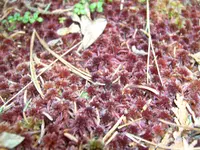
It often forms tight, rounded heads with a characteristic red to pink coloration, which makes it one of the more easily recognizable peat mosses in northern bog landscapes.

Key northern hemisphere species

Its natural range spans much of the cool temperate and boreal regions of the northern hemisphere, where it is a frequent component of blanket bogs and heathland bog complexes.

Botan icon

Did you know?

This species plays a measurable role in long-term carbon storage in boreal peatlands because its decaying remains accumulate as peat, which decomposes very slowly in the cold, waterlogged, acidic conditions it helps create.

FAQs about sphagnum

Growth is slow to moderate. In good conditions it usually adds about 2–5 cm per year, forming a thicker carpet over time. Cooler temperatures and constant moisture support faster growth, while dryness and heat slow it considerably.

Grow Healthy Plants with Botan Care

Keep your plants happy and healthy with plant identification, disease detection, and easy care guidance.

Botan plant care app — identify plants on mobile

Explore More Plants