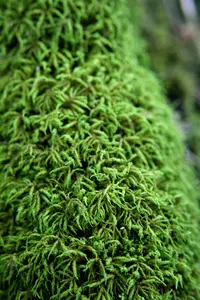
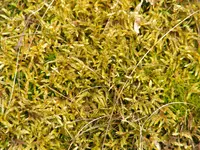
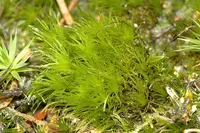
blunt-leaved bog-moss Care (Sphagnum palustre)

Also known as: prairie sphagnum, Prairie sphagnum moss, Prairie Peatmoss, blunt-leaved peat-moss
blunt-leaved bog-moss

About blunt-leaved bog-moss

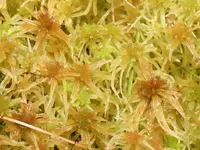
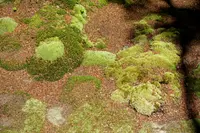
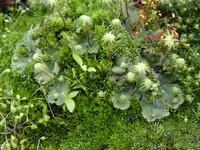
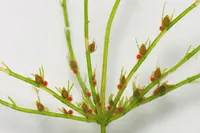
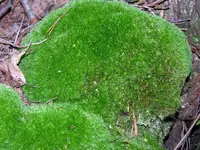
Blunt-leaved bog-moss, Sphagnum palustre, is a moisture-loving bryophyte that forms dense, spongy cushions or carpets in very wet habitats. Its soft stems and rounded, blunt leaf tips give it a distinctive, plush texture.

This moss is common in cool, nutrient-poor bogs and fens across parts of Europe, North America, and other temperate regions. It plays an important ecological role by storing water and slowly building peat.

For those who want to care for blunt-leaved bog-moss, its key needs are constant moisture, very acidic, low-nutrient conditions, and protection from strong, direct sun.

Main Plant Requirements

Care Difficulty

Hard Care

Light Preference

Partial Shade

Water Requirements

Aquatic

Temperature Preference

Cool Climate

Hardiness Zone

3–8

Soil Texture

Peaty, Organic-rich, Silty

Soil pH

Strongly acidic (4.5–5.5)

Soil Drainage

Waterlogged tolerant

Fertilization

Minimal (feed rarely)

Get Personalized Care Plan

Scan your plant to receive care tips personalized for your specific plant

Available on iOS and Android

How to Care for the blunt-leaved bog-moss

Sphagnum palustre thrives in bright, indirect light that mimics open, moist bog conditions.

  • Provide 2–4 hours of gentle morning sun with filtered or dappled light for the rest of the day; avoid harsh midday and afternoon sun that can bleach and dry the moss.
  • Site blunt-leaved bog-moss where it receives partial shade; open shade under high trees or beside taller plants usually provides the right light intensity.
  • In summer, protect from strong sun with shade cloth or neighboring vegetation; in winter, allow slightly more exposure to compensate for weaker light.

This moss must never dry out and prefers constantly saturated, low-nutrient conditions.

  • Maintain standing water just at or above substrate level so the base of Sphagnum palustre stays soaked while the growing tips remain moist but not submerged long-term.
  • If the top layer looks pale, crispy, or feels dry to the touch, increase watering or raise the water table; lush, firm, bright green tips indicate adequate moisture.
  • Avoid strong water flow or frequent disturbance, which can break fragile stems; use low-mineral rainwater, distilled, or reverse-osmosis water to prevent salt buildup.

This cool-temperate moss prefers mild conditions and tolerates cold better than heat.

  • Aim for 45–65°F (7–18°C) for strongest growth, similar to natural bog climates with cool days and chilly nights.
  • It can survive short dips to 25–32°F (-4–0°C), especially when kept wet, but repeated hard freezes without insulating snow or water may damage growing tips.
  • Prolonged heat above 80°F (27°C) stresses the moss; increase shade, airflow, and water depth during hot spells to keep it cooler and prevent dieback.

This moss requires constantly high humidity to grow well in cultivation.

  • Aim for 80–100% humidity; even short drops below 70% quickly dry out Sphagnum palustre tissues.
  • Dry air causes paling tips, crisp edges, and overall shrinking of the cushions.
  • Use closed or semi-closed containers, frequent misting with rainwater, and trays of water around the colony to maintain saturation for blunt-leaved bog-moss.

This species prefers waterlogged, acidic, organic substrates rather than true mineral soil.

  • Use a deep layer of pure dead sphagnum or unfertilized peat mixed with rainwater to form a loose, fibrous, sponge-like bed.
  • Maintain constant saturation with standing water just below or at the base so the moss always wicks moisture upward.
  • Keep pH around 3.5–5.0; avoid lime, compost, or fertilizers, which raise pH and burn sensitive tissues.
  • Ensure the substrate is soft and airy, never compacted, by gently fluffing the top layer if it begins to crust.

This moss is suitable for shallow, water-retaining containers rather than conventional pots.

  • Choose wide, low tubs or trays that allow lateral spreading and a uniform water level across the surface.
  • Use non-porous materials like plastic or glazed ceramic so moisture stays stable and evaporation is slower.
  • Keep a separate water reservoir zone at one side of the container to adjust water height without disturbing the moss.

Sphagnum palustre is adapted to very nutrient-poor wetlands and should not receive conventional fertilizer.

Sphagnum palustre needs only light management rather than true pruning.

  • Trim off brown, dead, or decomposing tips with clean scissors to maintain a fresh, active mat.
  • Thin out very dense clumps in spring or early summer to improve light penetration and air movement.
  • Harvest upper green segments rather than cutting deep, which preserves the growing points and maintains spread.

This moss is usually grown in bog beds or trays, so think in terms of transplanting whole mats rather than classic repotting.

  • Transplant when growth becomes overly crowded, water flow is poor, or the mat lifts easily from its base.
  • Best timing is in cool, moist weather during spring or early fall to limit moisture loss and stress.
  • Lift sections gently, keeping as much of the lower pale layer intact as possible to support re-anchoring.
  • Set pieces onto fresh acidic, saturated medium and keep constantly wet for several weeks to help recovery.

Sphagnum palustre is most often propagated vegetatively by dividing and replanting living green tips.

  • In spring or early summer, tear or cut healthy green strands from the upper layer of the moss mat.
  • Lay the fragments on saturated, acidic medium such as peat or a peat–sand mix under bright, indirect light.
  • Maintain very high humidity and constant moisture; avoid any drying during the first weeks.
  • Small pieces gradually branch and knit into a continuous carpet as new heads form.

This species is cold hardy in much of the temperate zone and usually needs minimal winter care outdoors.

  • In-ground mats tolerate freezing and snow, provided the site stays consistently moist and does not dry out.
  • For containers, keep the substrate saturated and move trays to a cold but frost-free space if prolonged deep freezes are expected.
  • Avoid warm indoor rooms in winter, since low humidity and warmth can desiccate blunt-leaved bog-moss.

Care Tips

Water Quality Control

Use only rainwater, distilled, or reverse-osmosis water and periodically flush the container to prevent mineral buildup that can stunt growth and brown the moss tips.

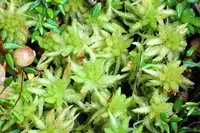
Layered Planting Technique

Press loose, living strands lightly onto a shallow layer of soaked, inert medium such as pure New Zealand sphagnum or rockwool so new heads can root along the surface and form an even, dense mat.

Shallow Tray Setup

Grow colonies in wide, shallow trays with 1–3 cm of standing water and a false bottom or mesh so the lower stems stay saturated while the growing tips remain above the waterline.

Regular Harvest Rotation

Trim only the top 3–5 cm from the most vigorous clumps every 4–8 weeks and leave the lower stems undisturbed so they continue to regenerate new heads for sustainable production.

Cool Microclimate Management

Position trays in the coolest bright spot available and, in warm climates, use evaporative cooling such as placing trays on capillary matting to maintain a stable cool root zone when growing blunt-leaved bog-moss.

Common Pests and Diseases

Algal overgrowth

This problem occurs when free water, high nutrients, and strong light allow green algae to coat the moss surface. Symptoms include slick green films or mats smothering the sphagnum and slowing new growth.

Solution

Reduce dissolved nutrients by using only rainwater, distilled, or reverse-osmosis water and avoid fertilizer or runoff from richer substrates. Decrease light intensity or duration slightly, increase water movement or very gentle aeration, and manually siphon or rinse off excess algae without letting the moss dry out.

Fungal browning

This disease appears in stagnant, overly warm, or poorly ventilated setups where fungal pathogens colonize weakened moss tissue. Symptoms include localized brown patches that spread, with individual capitula collapsing while surrounding areas stay green at first.

Solution

Lower water temperature if possible, increase airflow above the moss, and avoid fully stagnant, warm water trays. Carefully remove and discard browned material, rinse remaining healthy clumps with clean low-mineral water, and thin dense mats so the surface is not permanently submerged.

Midge larvae damage

This pest issue occurs where small fly or midge species lay eggs in wet sphagnum, and the larvae tunnel through growing tips. Symptoms include uneven growth, chewed or broken capitula, and small larvae visible in the water film or between stems.

Solution

Manually remove visible larvae and damaged clumps, then flush the moss with clean water to dislodge remaining larvae. Reduce standing open water, use fine mesh over containers to limit adult access, and, if needed, introduce gentle water circulation or predatory invertebrates suitable for bog setups.

Mosquito larvae infestation

This pest develops in trays or ponds of standing water around the moss where mosquitoes lay eggs. This pest does not usually injure the sphagnum directly but creates hygiene issues and can disturb the water surface and microfauna balance.

Solution

Eliminate standing water pockets by keeping water just at or slightly below moss level rather than in deep pools, and refresh water frequently with low-mineral sources. Use mosquito-proof mesh over outdoor containers and, where appropriate, add safe biological control agents such as Bacillus thuringiensis israelensis (Bti) to surrounding water, avoiding direct application on the densest moss cushions.

Snail and slug grazing

These animals are attracted to constantly wet sphagnum cushions and may graze on tender new tips, especially in outdoor bog gardens. Symptoms include missing or shredded capitula, slime trails, and small irregular gaps in an otherwise continuous moss carpet.

Solution

Hand-pick snails and slugs during evening or early morning checks and physically exclude them with fine barriers or copper tape around containers. Avoid broad-spectrum metaldehyde baits near wetland setups; if needed, use iron phosphate baits placed outside the main moss area to limit contact with the bog community while still managing grazing pressure.

Interesting Facts

Peat-Forming Engineer

This species is one of the dominant peat-forming mosses in cool, nutrient-poor wetlands of Europe and parts of North America, where its slowly decomposing remains can accumulate into deep peat over long time scales.

Acidifying Habitat Builder

Its living shoots exchange cations such as calcium and magnesium for hydrogen ions, acidifying the surrounding water and substrate and helping create the characteristically low-pH conditions of raised bogs.

High Water-Holding Capacity

The leaves and stem surface of this moss are packed with specialized dead cells that act as capillary reservoirs, allowing it to hold many times its dry weight in water and maintain saturated conditions around its growing tips.

Botan icon

Did you know?

In northern European raised bogs, continuous growth and slow decay of Sphagnum palustre and closely related species have produced peat deposits several meters thick that archive past climates and vegetation through preserved pollen and plant remains.

FAQs about blunt-leaved bog-moss

Growth is generally slow to moderate. In consistently wet, acidic conditions, new shoots can extend roughly 2–5 cm per year. Rate depends strongly on water availability, nutrient levels, and temperature stability in the bog or container environment.

Grow Healthy Plants with Botan Care

Keep your plants happy and healthy with plant identification, disease detection, and easy care guidance.

Botan plant care app — identify plants on mobile

Explore More Plants