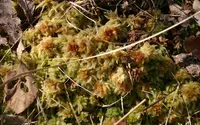
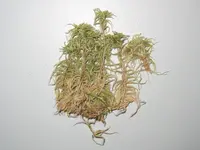
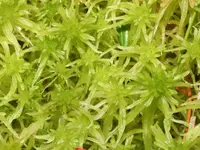
Best Soil for sphagnum (Sphagnum fuscum)

For healthy growth, Sphagnum fuscum needs an acidic, organic-rich medium that stays consistently moist without becoming compacted.

Soil Texture

Peaty, Organic-rich

Soil pH

Strongly acidic (4.5–5.5)

Soil Drainage

Waterlogged tolerant

Sphagnum fuscum Soil Guide

Native across cool northern bogs and peatlands, Sphagnum fuscum grows in saturated, low-nutrient, highly organic conditions. Its natural habitat is acidic and peat-based, so the best soil for sphagnum needs to hold steady moisture and stay low in minerals rather than drain quickly like standard potting soil.

This moss does not rely on deep roots to search through dense soil. Instead, it anchors lightly and absorbs much of its water across its tissues, which explains its preference for soft, airy peat that stays consistently wet. A loose, organic-rich substrate supports that moisture balance without heavy mineral content.

A simple custom mix helps keep Sphagnum fuscum evenly moist and acidic while avoiding heavy compaction. Use clean materials and blend thoroughly before planting.

100% total mix = 20 scoops
10%
fine pine bark2 scoops
10%
silica sand2 scoops
20%
chopped long-fiber sphagnum moss4 scoops
60%
sphagnum peat moss12 scoops

The finished mix should feel springy, light, and fibrous, with slow drainage and excellent moisture retention.

Sphagnum fuscum prefers strongly acidic conditions, with a soil pH around 4.5–5.5. In that range, nutrients stay available in the low-mineral form this species is adapted to use.

If the medium drifts closer to neutral, nutrient balance can become less favorable over time. A consistently acidic root zone supports steadier growth than a mix that varies widely.

Most soil issues with sphagnum come from shifts in medium quality over time rather than sudden failure. Start with the growing medium before assuming a larger care problem.

Compaction:

Compaction: a flattened, dense surface can limit air movement, so gently loosen and replace the most compressed top layer with fresh material.

Mineral buildup:

Mineral buildup: a crusty surface or stiffer texture may point to accumulated dissolved solids, so flush with suitable low-mineral water and remove any residue.

Decomposition:

Decomposition: if the medium turns dark, muddy, and sour-smelling, replace the broken-down portion to restore structure and cleaner air spaces.

Contamination:

Contamination: outdoor soil, old mix, or unclean containers can introduce weeds, algae, or pests, so switch to clean materials and sanitize the container first.

Soil Advice in Seconds

Botan helps compare your current mix to this plant’s needs, so it is easier to choose a more suitable growing medium.

FAQ

Drainage holes are usually still helpful because they make it easier to control stale conditions and mineral buildup. The medium can stay very moist, but some water exchange helps keep it fresher over time.

More Plant Soil Guides

Check Your Soil Choice

If growth looks off, soil may be one factor to check. Botan’s photo-based assessment can help you decide whether the current mix could be contributing.

Botan app helping with soil and plant care
Top 15 Plants That Don’t Need Sunlight

8 min read · 17 Sept 2026

Top 15 Plants That Don’t Need Sunlight

Some plants thrive in dim rooms, shaded corners, and places with indirect light. In this guide, you’ll explore the top 15 species best suited to low-light conditions and how to care for them.

Plant Recommendations
Top 15 Plants That Don’t Need Sunlight
How Fast Does Bamboo Grow Per Day, Month, and Year

10 min read · 7 Jul 2026

How Fast Does Bamboo Grow Per Day, Month, and Year

Bamboo grows extremely fast: some species can reach 5-6 m in just 3-4 months under the right conditions. This guide explains how much bamboo can grow per day, week, and year, and what affects its growth rate.

Plant Recommendations
How Fast Does Bamboo Grow Per Day, Month, and Year
Is Sugar Water Good for Plants?

4 min read · 14 Sept 2026

Is Sugar Water Good for Plants?

Sugar water may sound like an easy boost, but most rooted plants do not need extra sucrose. This guide explains how green tissues produce carbohydrates, when a sweetened solution can be useful, and why too much can cause problems.

Plant Care
Is Sugar Water Good for Plants?