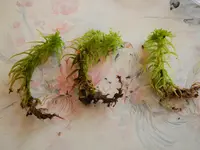



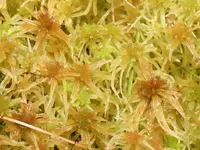
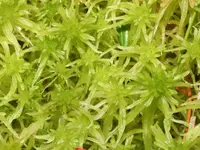
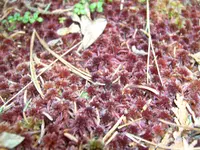
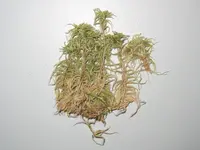

Best Soil for sphagnum (Sphagnum fimbriatum)

For healthy growth, Sphagnum fimbriatum needs an acidic, organic-rich, moisture-retentive substrate that supports steady root contact without becoming stagnant.

Soil Texture

Peaty, Organic-rich, Silty

Soil pH

Strongly acidic (4.5–5.5)

Soil Drainage

Waterlogged tolerant

Sphagnum fimbriatum Soil Guide

Native across broad parts of the Northern Hemisphere, Sphagnum fimbriatum grows in bogs, wetlands, and other saturated places with very low oxygen in the substrate. That habitat explains why it prefers peaty, organic-rich, silty material that stays consistently wet rather than drying quickly.

Instead of relying on deep anchoring roots, sphagnum uses fine structures mainly to hold itself in place and take up water across its tissues. The best soil for sphagnum is acidic and moisture-retentive, with a soft, open texture that remains saturated without becoming compacted and airless.

A simple custom mix helps keep texture and moisture levels more predictable for Sphagnum fimbriatum in containers.

100% total mix = 20 scoops
10%
silica sand2 scoops
15%
perlite3 scoops
25%
fine orchid bark5 scoops
50%
peat moss or long-fiber sphagnum peat10 scoops

The finished blend should feel springy, light, and evenly damp, with slow movement of water instead of a heavy, muddy slump.

Sphagnum fimbriatum prefers strongly acidic conditions, with a soil pH around 4.5–5.5. That range matches how this species naturally grows and helps keep nutrients available in a form it can use without excess mineral buildup.

If pH drifts much higher, nutrient uptake becomes less efficient even when the substrate still looks suitable. Slight variation is usually manageable, but consistently acidic media supports steadier long-term growth.

This species is sensitive to mineral buildup and physical compression in the root zone. Several common substrate issues can contribute to slower, weaker growth over time.

Compacted mix:

Dense, flattened material limits air spaces around sphagnum, so gently replace compressed substrate with a fresher, looser medium.

Mineral salt buildup:

White crust on the surface or container edge suggests accumulating dissolved minerals, and flushing with low-mineral water is a good first response.

Contaminated organic debris:

Heavy layers of trapped dead material can sour the surface, so remove excess debris and keep the top layer clean and open.

Overly rich amendments:

Heavy composted additives can create unstable conditions, so shift to a simpler, lower-nutrient substrate if the mix stays dense or stale.

Find the Right Soil

Botan helps match the plant to a more suitable substrate profile, so soil choices are based on its actual growth habits.

FAQ

Usually yes. This species likes constant moisture, but drainage holes make it easier to control water level, prevent stale lower layers, and avoid a fully sealed container that turns anaerobic.

More Plant Soil Guides

Soil Problem? Scan It.

A photo check can help show whether a visible issue may be linked to substrate conditions. Botan can help you look at the most likely causes.

Botan app helping with soil and plant care
Dill Companion Plants – What to Grow Next to Dill

9 min read · 17 Jul 2026

Dill Companion Plants – What to Grow Next to Dill

Dill is an easy-to-grow plant that gets along well with many vegetables. This guide describes 15 plants that can be planted alongside it, a few to avoid, and mistakes that can quietly sabotage the entire process.

Plant Recommendations
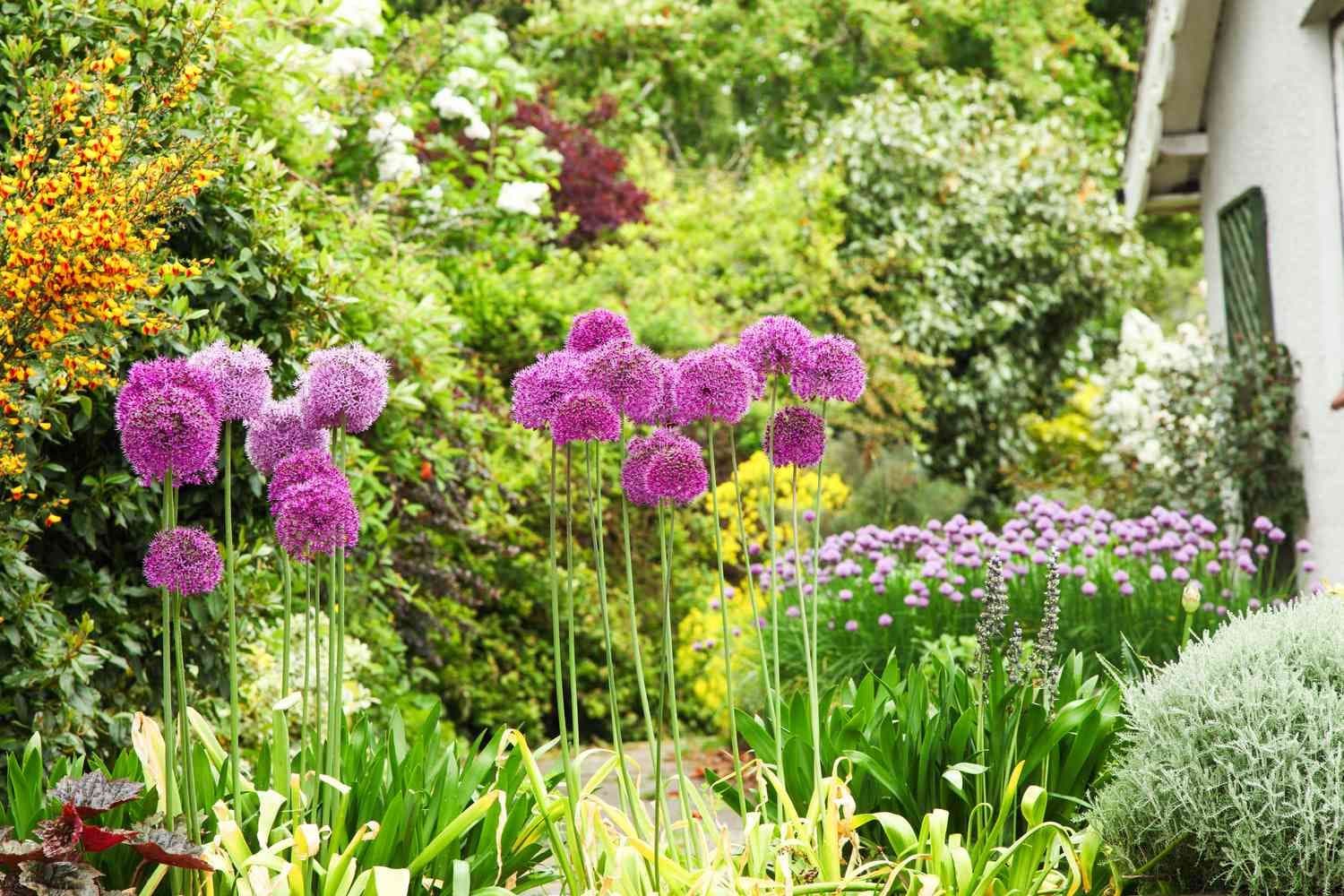
Dill Companion Plants – What to Grow Next to Dill
Plants That Repel Mosquitoes – 10 Effective Choices

8 min read · 6 Jul 2026

Plants That Repel Mosquitoes – 10 Effective Choices

Plants that repel mosquitoes can help mask human scent naturally and make outdoor spaces more comfortable. Explore the most effective options, their benefits and drawbacks, and choose the right plant for your space.

Plant Recommendations
Plants That Repel Mosquitoes – 10 Effective Choices
What Plants Don't Like Epsom Salt?

11 min read · 29 Jul 2026

What Plants Don't Like Epsom Salt?

Learn which plants can be seriously damaged by Epsom salt and which will thrive on it. We’ll explain when and how to use it properly, provide tips for indoor & outdoor plants — read on and enjoy a healthy garden.

Plant Care
What Plants Don't Like Epsom Salt?