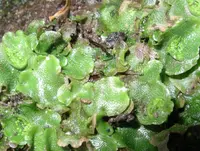
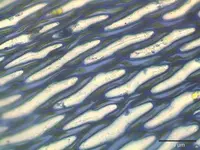
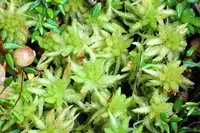
sphagnum Care (Sphagnum fimbriatum)

Also known as: Fringed Bogmoss
sphagnum

About sphagnum

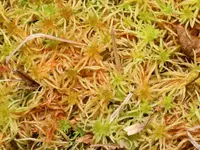
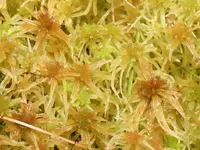
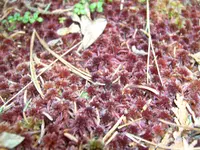
Sphagnum fimbriatum is a small bog moss that forms soft, cushion-like mats in wet, acidic habitats. It typically shows pale green to yellow-green stems with fine, crowded leaves.

This species naturally occurs in cool, moist regions, especially peat bogs, wet heaths, and along stream edges. It plays an important role in peat formation and water retention.

Sphagnum fimbriatum prefers constant moisture, cool temperatures, and soft, low-nutrient water, which can make it challenging to keep healthy indoors. Those who want to learn how to care for sphagnum should focus on stable humidity and avoiding mineral-rich tap water.

Main Plant Requirements

Care Difficulty

Moderate Care

Light Preference

Partial Shade

Water Requirements

Aquatic

Temperature Preference

Cool Climate

Hardiness Zone

3–8

Soil Texture

Peaty, Organic-rich, Silty

Soil pH

Strongly acidic (4.5–5.5)

Soil Drainage

Waterlogged tolerant

Fertilization

Minimal (feed rarely)

Get Personalized Care Plan

Scan your plant to receive care tips personalized for your specific plant

Available on iOS and Android

How to Care for the sphagnum

This moss prefers cool, consistently moist habitats with gentle, indirect light rather than strong direct sun.

  • Provide bright shade or dappled light, such as beneath shrubs or taller grasses, with only brief early-morning sun (1–2 hours) if any direct exposure occurs.
  • Aim for 4–6 hours of filtered daylight; too little light causes thin, pale growth, while strong midday sun can scorch and dry sphagnum quickly.
  • In summer, protect from intense afternoon sun using overhead vegetation; in cooler seasons, slightly more open light is acceptable if moisture remains high.

This species needs constantly wet conditions, mimicking a natural bog or seepage area.

  • Maintain waterlogged, acidic substrate; the surface should glisten and never dry, unlike typical potting soil care for Sphagnum fimbriatum.
  • Use rainwater or soft, low-mineral water and allow it to stand around the moss in shallow pools rather than draining away completely.
  • In warm, windy, or low-humidity periods, check moisture several times per week; crispy, pale tips signal drying, while foul odor or slimy patches suggest stagnant, low-oxygen water.

This moss is cool- to temperate-loving and tolerates a wide range, but extremes reduce vigor.

  • Optimal growth occurs around 50–68°F (10–20°C), especially in consistently moist, shaded sites with high humidity.
  • It tolerates down to about 20–25°F (-6 to -4°C) if kept saturated; brief freezing is acceptable, but prolonged deep frost without insulating snow can damage exposed cushions.
  • Heat above 80°F (27°C), particularly with strong sun, stresses the plant; increase shade and moisture and avoid hot, stagnant microclimates during summer.

This moss needs constantly high humidity to stay vigorous and actively growing.

  • Aim for 70–100% humidity, using trays of water, covered propagation boxes, or terrarium-style enclosures outdoors or under shade.
  • It tolerates only brief drying of the surface; persistent air below 60% quickly leads to browning and stunted tips.
  • Humidity stress appears as crisp, pale or brown shoot tips that fail to elongate, indicating the colony is drying too fast.

Sphagnum fimbriatum grows best on saturated, acidic, organic substrates rather than conventional mineral soil.

  • Use a bed of pure long-fiber sphagnum or mostly organic medium with fine bark and peat, kept constantly wet and never allowed to dry out.
  • Ensure the substrate holds water like a sponge yet is loose, so stems are not compacted and air can still reach the lower layers.
  • Aim for strongly acidic conditions around pH 4–5.5; avoid liming agents, wood ash, or mineral-rich garden soil that raise pH.
  • Create shallow, evenly wet conditions rather than deep, free-draining pots, and avoid coarse sand or gravel layers that channel water away from the mat.

This species is suitable for container growing when moisture and stability are tightly controlled.

  • Choose a wide, shallow container to support lateral mat spread and prevent central areas from becoming waterlogged under their own weight.
  • Use a rigid plastic or glazed ceramic pot to slow evaporation and maintain evenly wet conditions across the moss surface.
  • Set the container inside a non-draining outer tray to hold a constant water reservoir around the base without submerging the entire mat.

This moss gains most nutrients from rainwater and substrate and usually needs no added fertilizer.

Pruning needs for Sphagnum fimbriatum are minimal and mainly hygiene-related.

  • Trim away brown, dead, or decomposing patches at any time to maintain a healthy, aerated mat.
  • Use clean, sharp scissors and avoid cutting too deeply into actively growing green tips.
  • Remove overcrowded, compacted sections to improve light penetration and reduce rot in dense cultures.
  • Discard removed material showing mold or foul odor rather than reusing it in other setups.

Transplanting is only needed when the moss outgrows its area or substrate breaks down.

  • Move clumps when growth becomes very dense, water flow is blocked, or the base layer turns sour or foul-smelling.
  • Transplant in cool, moist seasons such as spring or early fall to limit moisture loss and stress.
  • Expect to re-establish beds every 1–3 years in containers or culture trays as substrate compacts.
  • Lift thin surface layers, lay them onto fresh, saturated acidic substrate, and keep evenly moist until re-anchored.

Sphagnum fimbriatum is commonly multiplied by simple vegetative division rather than spores at home.

  • Divide healthy, bright-green tufts in spring or early summer when growth is active.
  • Lay small fragments on fresh, saturated acidic substrate with good air movement and high humidity.
  • Provide bright, indirect light and soft, low-mineral water to encourage steady new shoot formation.
  • Avoid deep burial; ensure growing tips remain exposed while the base stays consistently moist but not submerged.

This moss is naturally cold hardy in many temperate climates and usually needs little winter intervention.

  • In outdoor beds, allow natural dormancy; avoid disturbing frozen mats to prevent structural damage.
  • Ensure drainage is adequate so water does not stagnate and form prolonged ice over the substrate.
  • For containers, move trays to a cold, shaded, wind-sheltered spot to reduce freeze–thaw stress.

Care Tips

Shallow Tray Setup

Use a wide, shallow tray with 1–2 cm of rainwater or distilled water so the moss forms an even carpet and does not drown in deep standing water.

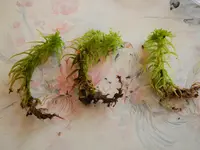
Layered Substrate Base

Place a thin layer of inert material such as rinsed perlite or coarse sand under the moss to improve aeration around the lower stems and reduce the risk of anaerobic rot.

Gentle Division Technique

When expanding a colony, lift small clumps with intact stems and rhizoids and press them lightly onto the new surface rather than burying them, which keeps growth points exposed to light and air.

Seasonal Light Adjustment

Shift containers a little farther from intense windows or add a sheer curtain during bright summer months, then move slightly closer to light sources in winter to maintain steady, moderate light without scorch.

Clean Water Routine

Every 2–4 weeks, pour off old tray water, briefly flush the moss with fresh low-mineral water, and refill the tray to prevent salt buildup and keep caring for sphagnum more predictable over time.

Everything About sphagnum

Common Pests and Diseases

Fungus gnats

These insects are attracted to constantly wet, organic substrates and lay eggs in the moss, where larvae feed among the living strands. Symptoms include tiny black flies hovering over trays and fine, threadlike larvae in the saturated moss surface.

Solution

Reduce excess nutrient buildup by rinsing the moss with clean, low-mineral water and avoid adding fertilizers or rich organic debris. For control, use yellow sticky traps for adults and treat the wet layer with a biological larvicide containing Bacillus thuringiensis israelensis (BTI), while improving air movement so the surface dries slightly between waterings without letting the moss desiccate.

Springtail overpopulation

These insects are normally part of the microfauna in wet moss, but in closed or very wet setups their numbers can explode, forming visible swarms in the water film. This pest may stress weakened moss cushions by constant disturbance of new tips and decaying tissue.

Solution

Lower overall moisture slightly by allowing better drainage and increasing ventilation, and physically flush the colony by gently flooding and draining the tray with clean water several times. In enclosed terrariums, introduce venting periods and reduce excess organic debris so populations stabilize without the need for chemicals.

Algal overgrowth

This disease-like condition occurs when free water, high light, and dissolved nutrients favor fast-growing algae that coat the moss surface in green or brown slippery films. Symptoms include smothered shoots, reduced new growth, and patches that stay wet and dark instead of forming upright, fresh tips.

Solution

Rinse the moss thoroughly with soft or rainwater to dilute nutrients, then reduce direct, intense light and avoid any fertilizer use on the moss. Improve water exchange and air flow, and if needed, physically lift and gently squeeze out sections to remove algal films before resetting them in cleaner, lower-nutrient conditions as part of broader sphagnum care instructions.

Grey mold (Botrytis)

This disease appears when dead or damaged moss tips stay wet with poor air movement, leading to soft, brown tissue covered by fine grey fungal growth. Symptoms include localized collapse of cushions and a fuzzy, dusty mold on decaying strands or nearby plant debris.

Solution

Promptly remove and discard all moldy and obviously dead moss material, then increase ventilation and reduce overcrowding in trays or terrariums. Keep the moss wet but avoid stagnant air and standing water on the surface, and sterilize tools and containers with hot water or diluted alcohol before reusing them.

Interesting Facts

Fimbriate leaf edges

The species name fimbriatum refers to the finely fringed margins of its tiny leaves, which give the shoots a subtly roughened texture under magnification.

Preference for flushes

This moss typically favors nutrient-poor, wet hollows and seepage areas in bogs and wet heaths, often growing where slow, diffuse water movement keeps the surface constantly moist but not deeply flooded.

Distinct pale-green hue

Compared with several related species, this moss usually shows a consistently pale, almost yellowish green color in the field, which field bryologists use as one of several traits to separate it from similar taxa.

FAQs about sphagnum

Growth is usually slow to moderate. Under consistently wet, cool conditions with soft, low‑mineral water, it may extend 2–5 cm per year. Warmer, drier, or nutrient‑rich environments significantly reduce growth and can cause dieback.

Grow Healthy Plants with Botan Care

Keep your plants happy and healthy with plant identification, disease detection, and easy care guidance.

Botan plant care app — identify plants on mobile

Explore More Plants