Use Shallow Trays
Grow cushions in wide, shallow trays with 2–4 cm of water below a mesh or perforated platform so the lower stems stay saturated while the growing tips remain just above the waterline and do not rot.

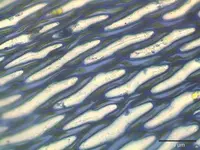
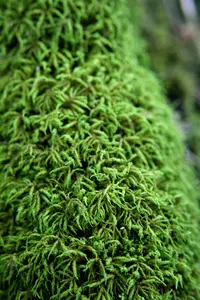
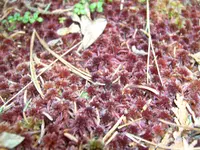
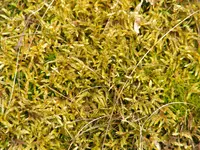
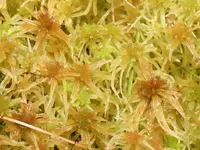
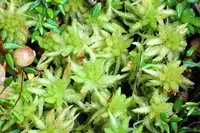
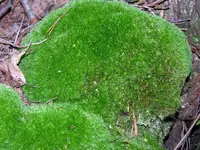
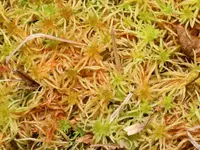
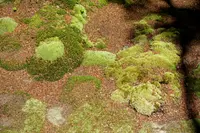
Sphagnum flexuosum is a moss species, not a typical leafy houseplant. It forms dense, spongy mats with fine, flexible stems and small overlapping leaves. The color ranges from light green to yellow-green, often with a soft, cushion-like look.
This moss naturally occurs in cool, wet habitats such as bogs, fens, and wet forest floors across the Northern Hemisphere. It thrives in consistently moist, acidic conditions and does not tolerate drying out.
For growers, it is relatively easy if its need for constant moisture and soft, low-mineral water is met. Understanding how to care for sphagnum helps maintain healthy, clean growth for use with many other plants.

Care Difficulty
Hard Care

Light Preference
Partial Shade

Water Requirements
Aquatic

Temperature Preference
Cool Climate

Hardiness Zone
3–8

Soil Texture
Peaty, Organic-rich, Silty

Soil pH
Strongly acidic (4.5–5.5)

Soil Drainage
Waterlogged tolerant

Fertilization
Minimal (feed rarely)
Scan your plant to receive care tips personalized for your specific plant
Available on iOS and Android
This moss prefers cool, moist sites with gentle, indirect light rather than strong sun.
This species is adapted to consistently wet, low-nutrient conditions and does not tolerate drying.
This moss favors cool to mild temperatures and is sensitive to strong heat combined with drying winds.
This moss needs constantly high humidity to stay hydrated and actively growing.
This species grows best in saturated, acidic, organic substrate rather than mineral soil.
This moss is suitable for container culture when moisture and stability are controlled carefully.
This moss is adapted to nutrient-poor habitats and generally should not be fertilized in cultivation.
Pruning Sphagnum flexuosum is minimal and mainly used to manage density and maintain healthy, active tips.
Transplanting living cushions is more relevant than repotting, since this moss usually forms mats rather than deep root systems.
Sphagnum flexuosum is commonly propagated by division of live clumps rather than by spores in home culture.
This moss is naturally cold hardy in many temperate regions and usually needs little special winter care outdoors.

Plant Health Check
Not sure what's wrong with your plant? Check your plant's health inside the app.
This species is one of the main peat-forming mosses in cool-temperate bogs of the Northern Hemisphere and strongly influences waterlogging and long-term carbon storage by its very slow decomposition.
It typically dominates low, water-filled hollows and shallow pools rather than raised hummocks, forming loose carpets that track very small differences in water level and acidity within peatlands.
Its branch leaves have a characteristic flexuous, or wavy, appearance with slender, drawn-out tips, which bryologists use as a key feature to distinguish it from closely related green Sphagnum species.

Genetic and morphological studies indicate that this species belongs to the Sphagnum subgenus Cuspidata, a group highly specialized for life in cool, nutrient-poor, and often fishless waters where it can outcompete many other mosses by tolerating low pH and low mineral availability.
Brown tips usually indicate drying out from low humidity, strong air movement, or allowing the moss layer to partially desiccate between waterings. Check that the substrate stays consistently damp, humidity is high, and water is low in minerals.
Keep your plants happy and healthy with plant identification, disease detection, and easy care guidance.